 Save to Pinterest
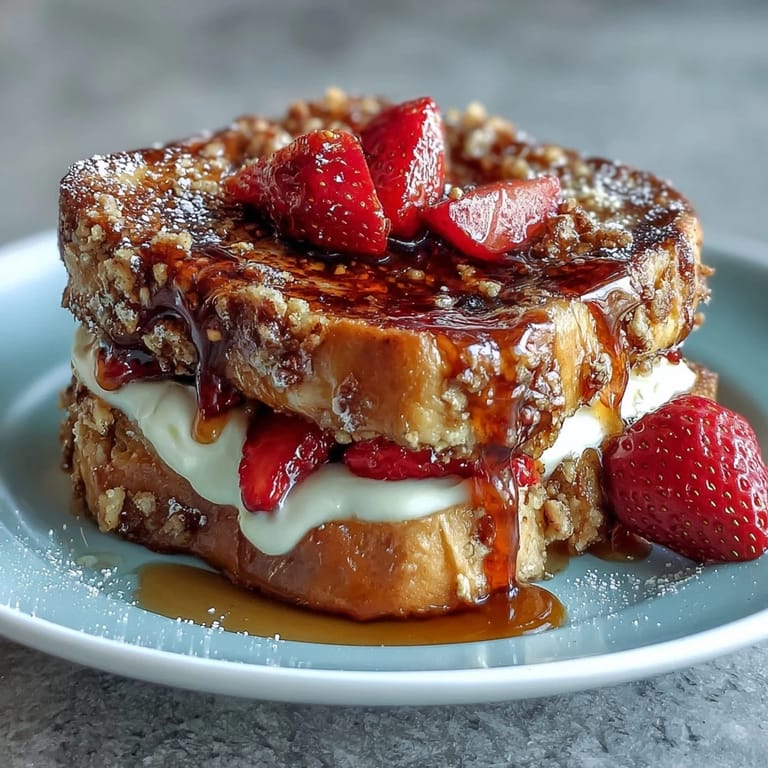
 My sister called me on a Tuesday morning, breathless about a brunch she'd attended at her friend's garden house, where a towering golden casserole had stolen the show. She described the way the custard clung to each bread cube, how the strawberries had softened into something between jam and fresh fruit, and I found myself nodding along even through the phone, already mentally assembling ingredients. That weekend, I made my own version, and the kitchen filled with such a comforting vanilla-cinnamon warmth that my roommate appeared in the doorway before the timer even went off, drawn like a moth to that golden smell.
I served this to my book club on Easter Sunday, and what surprised me most wasn't the compliments (though there were plenty) but how people lingered at the table afterward, plates mostly empty, just talking. Someone mentioned it reminded them of their grandmother's kitchen, and suddenly everyone was sharing their own breakfast nostalgia. That's when I realized this casserole does something beyond nourishment—it creates permission to slow down together.
Ingredients
- Brioche or challah bread: Don't skimp here; this is your foundation, and you want something sturdy enough to soak up custard without dissolving into mush, yet tender enough to stay luxurious.
- Eggs: Six large eggs create that silken custard that makes this special—use room temperature eggs if you remember, they whisk more smoothly.
- Whole milk and heavy cream: The combination of both matters; milk alone is too thin, cream alone too rich, but together they create that perfect savory-sweet base.
- Granulated sugar: This sweetens the custard and helps it set, while brown sugar in the topping adds depth and slight molasses notes.
- Pure vanilla extract: Use real vanilla, not imitation; you'll taste the difference in the final bake, especially since it's not buried under other flavors.
- Cinnamon and salt: Cinnamon ties everything to spring and baking nostalgia, while salt is the secret that makes sweetness taste more vibrant and interesting.
- Fresh strawberries: Choose berries that smell like strawberries, not plastic; slice them yourself rather than buying pre-sliced, which lose their juice quality.
- All-purpose flour and cold butter for topping: Cold butter is essential; if it's warm, your topping becomes dense rather than crumbly and irregular.
- Powdered sugar and maple syrup: The finishing touches that feel indulgent without being necessary, so use them generously or skip them based on mood.
Tired of Takeout? 🥡
Get 10 meals you can make faster than delivery arrives. Seriously.
One email. No spam. Unsubscribe anytime.
Instructions
- Prepare your stage:
- Preheat the oven to 175°C (350°F) and grease that 23x33 cm baking dish thoroughly—I use butter and a paper towel because it reaches every corner. Getting this right means no sticking, which means a beautiful presentation when you turn it out.
- Layer bread and berries:
- Spread your bread cubes evenly across the bottom; they don't need to be perfect, but aim for single-layer coverage so the custard can reach every piece. Scatter the strawberry slices across the top, nestling some between bread cubes where they'll sink into the custard as it bakes.
- Whisk the custard:
- In a large bowl, combine eggs, milk, cream, granulated sugar, vanilla, cinnamon, and salt, whisking until the sugar dissolves and everything looks uniform. This is meditative work; take a moment to really blend it well so no pockets of unmixed sugar remain.
- Soak and press:
- Pour the custard slowly and evenly over the bread and fruit, then use the back of a wooden spoon to gently press down the bread cubes so they're submerged and drinking in that custard. This step makes the difference between dry spots and a moist, tender casserole.
- Make the streusel topping:
- In a medium bowl, whisk together flour, brown sugar, and cinnamon, then add cold butter cubes and either use a pastry cutter or your fingertips to work it until it looks like rough breadcrumbs with some pea-sized pieces remaining. Don't overmix; you want texture, not a paste.
- Top and bake:
- Sprinkle the streusel evenly over the casserole, then slide it into the oven for 40–45 minutes, until the custard is just set (a gentle jiggle in the center is okay) and the top is golden brown. The kitchen will smell like a bakery had a baby with a garden at this point.
- Cool and finish:
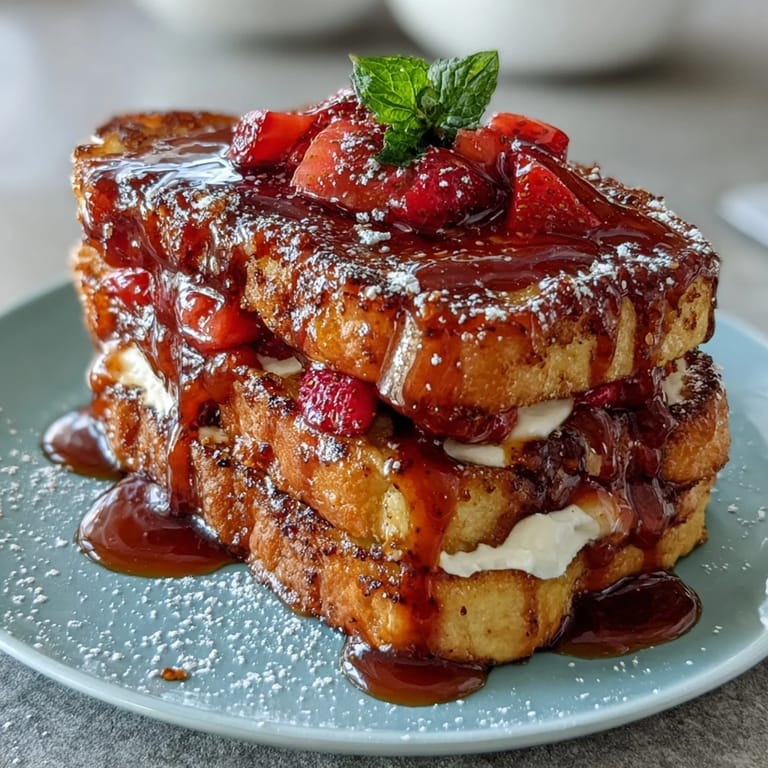
- Let it rest for 10 minutes so the custard can set more firmly, then dust with powdered sugar if using, and serve warm with maple syrup drizzled over the top. Serve it in the baking dish family-style if you're feeling cozy, or plate individual portions for something more formal.
 Save to Pinterest
 What moves me most about cooking this casserole is that it requires you to think ahead, to plan for feeding people, to believe that an hour from now you'll have something worth gathering around. There's something quietly powerful in that kind of intention, especially on a spring morning when the world feels full of possibility.
Why Overnight Assembly Changes Everything
The night-before approach transforms this from a 20-minute prep job into something you're already halfway through when you wake up, which feels like cheating in the best way. I've learned that overnight soaking makes the bread almost custardy in spots and firmer in others, creating an unexpected texture map that's honestly more interesting than same-day bakes. The strawberries have time to weep their juice into the custard, turning the whole thing faintly pink and even more fragrant by morning.
Substitutions That Work (and Those That Don't)
Raspberries and blueberries absolutely work if strawberries aren't available or if you're feeling experimental, though they behave differently—raspberries are more delicate and break down faster, while blueberries hold their shape stubbornly and taste more tart. You can add lemon zest to brighten the custard, or even swap half the milk for buttermilk if you want tanginess that plays against the sweetness. The one thing I wouldn't change is the egg-to-liquid ratio; I tried using fewer eggs once to save calories and ended up with something more like bread soup than casserole, so trust the recipe there.
Scaling Up and Feeding Crowds
This recipe yields eight servings, which feels generous until you realize how quickly people return for seconds, especially if you've drizzled maple syrup everywhere. If you're feeding a larger crowd, make two casseroles rather than attempting to double into a larger dish, since baking time and browning become unpredictable in oversized pans. I've also learned that this casserole travels better than you'd expect—it reheats well and can even be served at room temperature, which makes it perfect for potlucks or breakfast-and-lunch hybrid gatherings where timing is chaos.
- Keep the second casserole in the oven at a lower temperature (160°C or 325°F) if both finish baking at different times, so it stays warm without overcooking.
- Assemble both casseroles the morning you plan to bake if you can, rather than making one the night before and one fresh, since the texture difference will be noticeable and slightly confusing.
- Individual portions can be plated onto warm dishes before serving, which looks intentional and allows people to take exactly what appeals to them without awkward scooping.
 Save to Pinterest
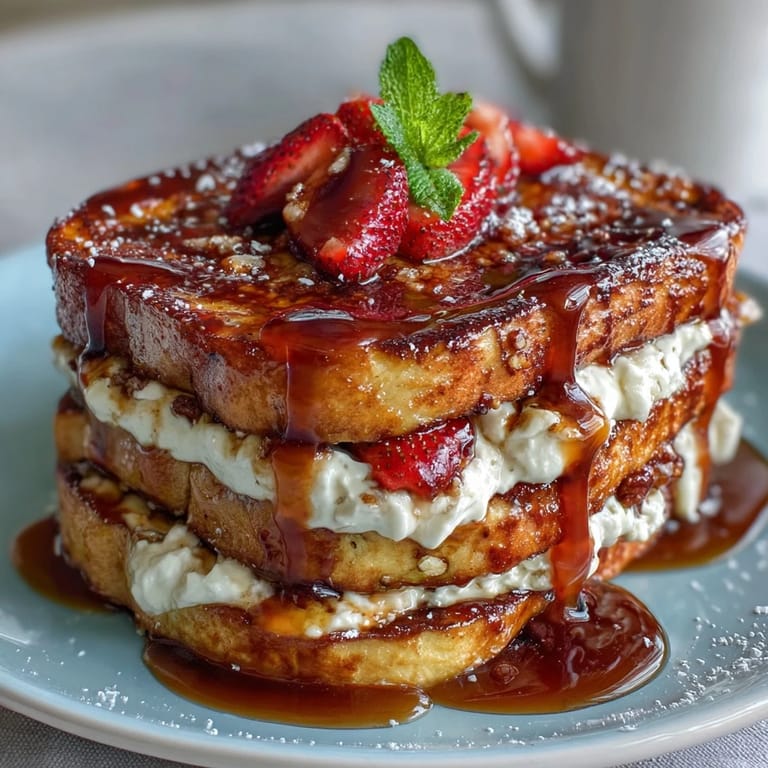
 Spring brunches are about more than feeding people; they're about creating a moment where time softens and everyone remembers they like being together. This casserole does that work for you.
Common Recipe Questions
- → What bread works best for this dish?
Brioche or challah bread cut into cubes is ideal for absorbing custard while maintaining structure.
- → Can I prepare this the night before?
Yes, assembling the dish overnight in the fridge allows the bread to soak thoroughly, enhancing flavor and texture.
- → What toppings complement the bake?
A crumbly mix of flour, brown sugar, cinnamon, and cold butter forms a golden topping that adds texture and sweetness.
- → Are there alternatives to strawberries?
Fresh raspberries or blueberries can be substituted to vary the fruit flavor while maintaining freshness.
- → How should this dish be served?
Let it cool slightly after baking, dust with powdered sugar, and serve warm with maple syrup for a complete brunch experience.