 Save to Pinterest
 I discovered this dish scrolling through my phone at midnight, watching someone pour cottage cheese into a blender like it was the most obvious thing in the world. The skeptic in me was loud, but my curiosity won. Twenty minutes later, I was twirling pasta coated in the silkiest, creamiest sauce that tasted nothing like what I expected—it tasted like someone had finally figured out a secret. Now it's my go-to when I want something that feels indulgent but leaves me energized instead of sluggish.
My roommate watched me make this on a random Tuesday and asked if I'd suddenly become a chef. I hadn't—I'd just stopped overthinking it. She had thirds, and the next week she was making it herself, tweaking it with red pepper flakes and extra garlic. That's when I knew it wasn't just about following instructions; it was about finding something that actually worked and felt easy enough to repeat.
Ingredients
- Dried pasta (180 g / 6 oz): Penne, rigatoni, or spaghetti all work beautifully here; choose what you like to twirl or what you have on hand.
- Cottage cheese (200 g / 7 oz): This is your base—the magic ingredient that sounds strange until you taste it, then becomes your best kept secret.
- Freshly grated Parmesan cheese (30 g / ¼ cup): Don't use the shaker bottle; the real stuff makes an actual difference in how smooth and luxurious this sauce becomes.
- Milk (2 tbsp): Keep more on hand because you'll likely need it to get the sauce to exactly the consistency you want.
- Garlic (1 clove, minced): One clove is gentle; if you're a garlic lover like me, mince two and don't look back.
- Extra virgin olive oil (1 tbsp): This rounds out the sauce and adds a subtle richness that milk alone can't achieve.
- Freshly ground black pepper (½ tsp): Grind it fresh if you can; it tastes so much brighter than what's been sitting in your cabinet.
- Salt (¼ tsp): Taste as you go because the Parmesan and pasta water add saltiness too.
- Dried Italian herbs (½ tsp, optional): Skip it if you prefer simplicity, or use it if you want a subtle herbaceous note.
- Fresh basil leaves, torn: For garnish, bringing brightness and a whisper of freshness to each bite.
- Extra grated Parmesan: Finish your bowl with more because the sauce deserves it.
- Crushed red pepper flakes (optional): A pinch adds heat and color; it's the move if you like a little warmth.
Tired of Takeout? 🥡
Get 10 meals you can make faster than delivery arrives. Seriously.
One email. No spam. Unsubscribe anytime.
Instructions
- Get your water boiling:
- Fill a large pot with salted water and bring it to a rolling boil—you'll know it's ready when it's loud and insistent. While that's happening, you can prep your garlic and get everything else measured out.
- Cook the pasta:
- Drop the pasta in once the water is truly boiling and stir it right away so nothing sticks to the bottom. Cook until it's al dente—tender but with a tiny bit of resistance when you bite it—then scoop out ½ cup of that starchy water before you drain everything.
- Make the sauce:
- While the pasta cooks, combine the cottage cheese, Parmesan, milk, minced garlic, olive oil, pepper, salt, and herbs in a blender or food processor. Blend until it's completely smooth and creamy, about a minute; you want no lumps, just silk.
- Warm the sauce gently:
- Pour the blended mixture into a large skillet over low heat and stir it constantly until it's warmed through and steaming slightly. This takes about 2 minutes and feels deceptively simple, but this step is important—rushing the heat can make it grainy.
- Bring it together:
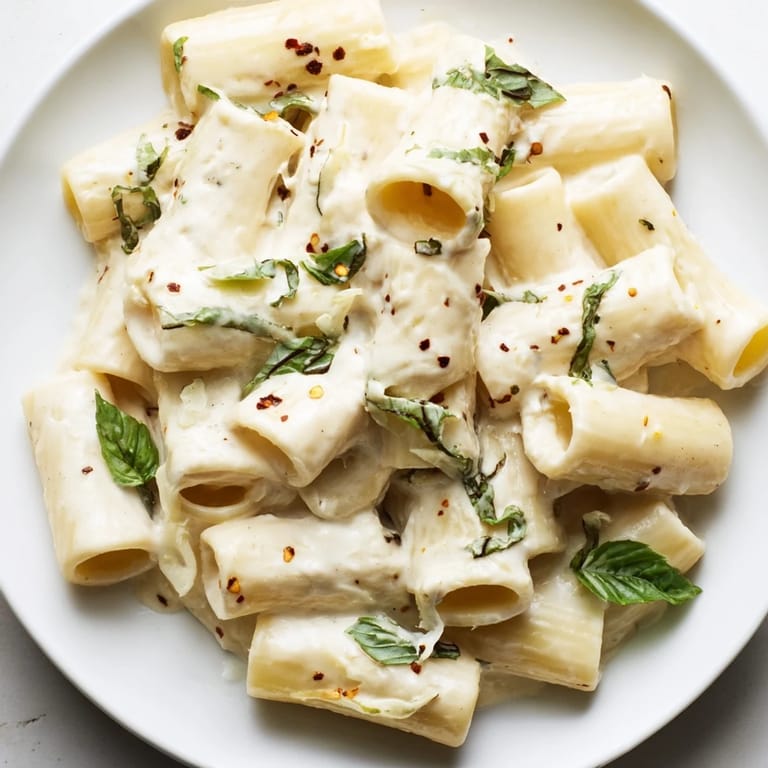
- Add the drained pasta to the warm sauce and toss it like you mean it, making sure every strand gets coated. If it looks thick, splash in some of that reserved pasta water, a little at a time, until it reaches that silky consistency you're after.
- Serve and celebrate:
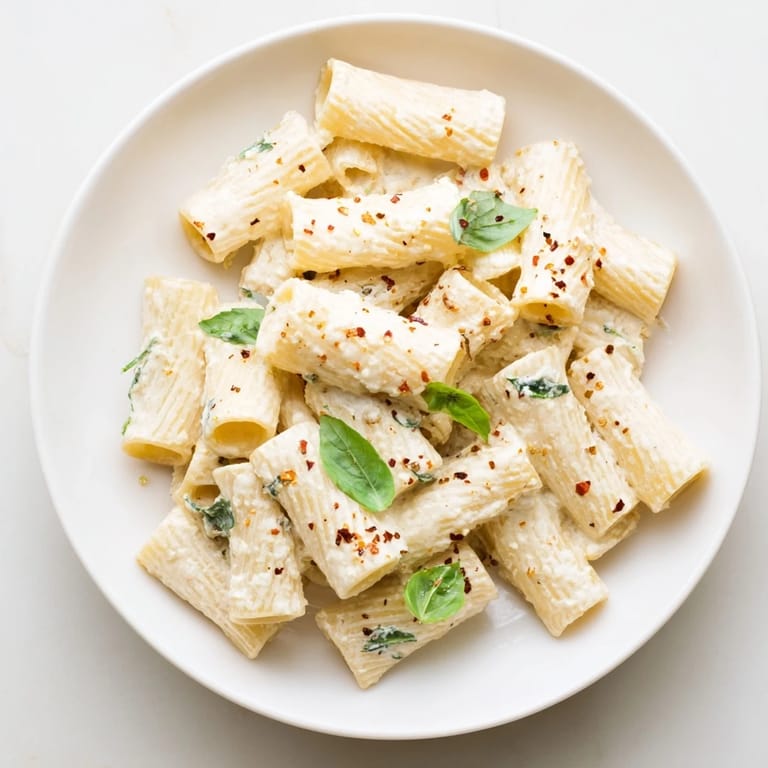
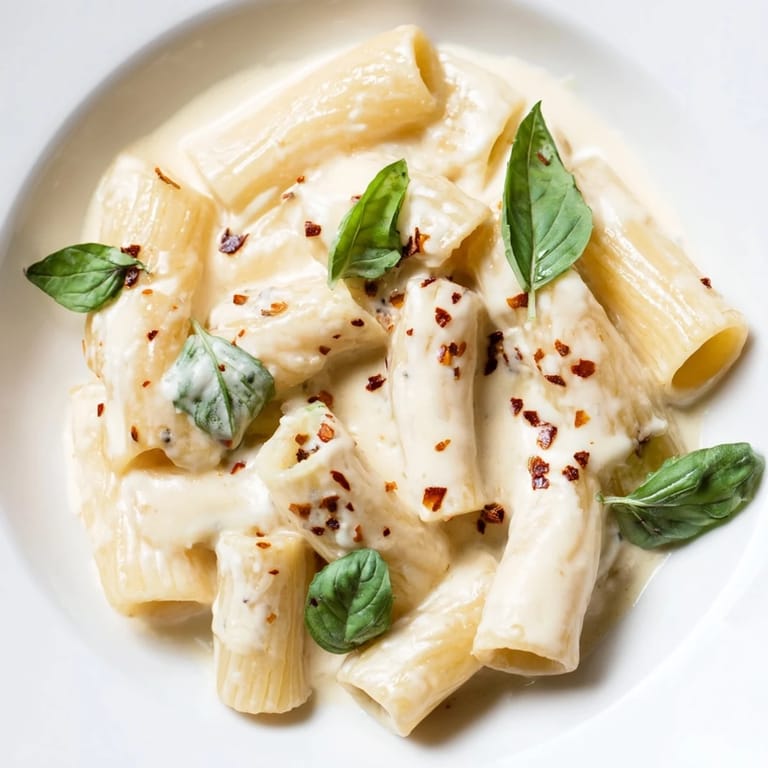
- Divide between bowls while everything is still hot, then top with torn basil, extra Parmesan, and a sprinkle of red pepper flakes if you're feeling it. Eat it immediately because it's at its best when it's warm and you're actually paying attention.
 Save to Pinterest
 There's a moment when you pour the sauce over the warm pasta and the smell hits you—something between fresh garlic, melting cheese, and cream—and you realize this isn't diet food or a trend, it's just genuinely delicious. That moment made me stop worrying about whether cottage cheese pasta was "supposed" to work and start appreciating that it actually does.
Why This Quietly Became My Favorite
Most creamy pasta sauces leave me feeling heavy for the rest of the night, but this one doesn't. It's creamy and rich without being overwhelming, and the protein content means I'm actually satisfied, not just full. I've made it on nights when I'm tired, when I'm cooking for someone, and when I just want something that tastes like I tried harder than I actually did.
Ways to Make It Yours
The base is so good on its own, but it's also a blank canvas if you want to build on it. Stir in shredded cooked chicken if you want extra protein, or sauté some mushrooms and add them for earthiness and texture. You can swap ricotta for cottage cheese if you prefer a milder flavor, or use whole wheat or high-protein pasta if you're optimizing for nutrition. The sauce is forgiving and flexible, which is part of why it's become something I reach for so often.
The Perfect Pairing
Serve this with something green and bright alongside it—a crisp arugula salad with lemon juice, or simple sautéed spinach with garlic. A glass of cold Pinot Grigio next to the bowl feels like an upgrade, but honestly, this dish is humble enough that it's equally happy with sparkling water and good company. The sauce is rich enough to stand alone, so resist the urge to overcomplicate.
- Torn fresh basil isn't just decoration; it's the fresh note that keeps every bite from feeling heavy.
- Make sure your skillet is large enough that the pasta can move freely when you toss it—cramped pasta won't coat evenly.
- Eat it right away because leftovers taste fine but lack the silky magic of a fresh bowl.
 Save to Pinterest
 This is the kind of recipe that reminds you that good food doesn't have to be complicated or take hours. It just has to work, and it has to taste good, and somehow this one does both.
Common Recipe Questions
- → Can I use different pasta types?
Yes, penne, rigatoni, spaghetti, or other shapes work well. Adjust cooking time per package instructions.
- → How do I make the sauce creamier?
Blend cottage cheese thoroughly and add a splash of pasta water or milk to reach a silky consistency.
- → What herb enhances the flavor best?
Italian herbs and fresh basil leaves provide aromatic depth and freshness.
- → Can I add protein to this dish?
Yes, cooked chicken or sautéed mushrooms can be stirred in for extra protein and texture.
- → Is it possible to make this gluten-free?
Use gluten-free pasta varieties to accommodate gluten sensitivities.
- → What cheese alternatives can I use?
Ricotta can replace cottage cheese for a milder sauce with a similar creamy texture.