 Save to Pinterest
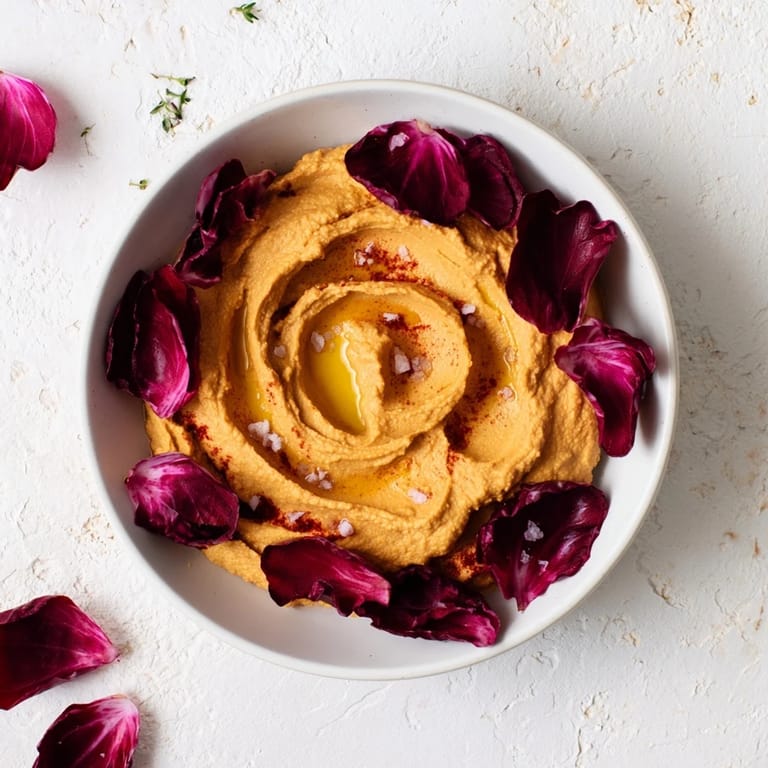
 The first time I made something pink and pretty on purpose, it was this beet hummus, and I remember being genuinely surprised that something so simple could look like it belonged on a restaurant plate. I was hosting a dinner for friends who always made me feel like my cooking needed to be fancier, and instead of panicking, I found myself reaching for beets—earthy, honest, and unapologetically vibrant. That night, watching people lean in to admire it before tasting it taught me that food doesn't have to be complicated to be memorable.
I've learned that beet stains on my hands tell their own story—my sister laughed at my purple fingers for days after I made this for her book club, and somehow that became the running joke that got everyone talking. It turned out the stains actually made people more relaxed around the food, like they could see I'd actually cooked it myself instead of having it magically appear.
Ingredients
- 1 large beet (about 200 g): The star that gives you that deep magenta color and natural sweetness; roasting it brings out flavors that raw beets can't quite reach.
- 1 can (400 g) chickpeas: Your protein base that keeps the hummus grounded and creamy without needing any fancy additions.
- 2 tbsp tahini: This is what makes it silky rather than gritty, so don't skip it or substitute lightly.
- 2 tbsp extra-virgin olive oil: Use one you actually like tasting because it matters here more than you'd think.
- 1 small garlic clove, minced: Just one—too much and you overshadow the beet, which would be a shame.
- Juice of 1 lemon: The acid that keeps everything bright and stops it from tasting flat.
- 1/2 tsp ground cumin: A whisper of warmth that ties everything together.
- 1/2 tsp salt, or to taste: Taste as you go because salt levels vary wildly depending on your chickpeas and olive oil.
- Freshly ground black pepper: Fresh pepper from a grinder tastes completely different than pre-ground, and you'll notice the difference here.
- 2–3 tbsp cold water: Start with less and add gradually because you need to control the exact texture.
- 1 small head radicchio: The crisp, slightly bitter leaves are your edible spoon and visual accent all at once.
- 1 tbsp olive oil (for drizzling): The final flourish that catches light and adds shine.
- Flaky sea salt: The coarser texture hits your tongue differently than table salt.
- Microgreens or edible petals (optional): The thing that makes people say 'ooh' when they see it, if you feel like it.
Tired of Takeout? 🥡
Get 10 meals you can make faster than delivery arrives. Seriously.
One email. No spam. Unsubscribe anytime.
Instructions
- Roast the beet until it's falling-apart tender:
- Wrap it in foil and let the oven do the work for 40–45 minutes at 400°F. You'll know it's done when a fork slides through without resistance, almost like the beet gives up and just melts on the fork.
- Blend everything into velvet:
- Throw the cooled beet, chickpeas, tahini, olive oil, garlic, lemon juice, cumin, salt, and pepper into the food processor and let it run until there's not a single lump left. Scrape down the sides once or twice because chunks hiding at the edges are stubborn.
- Loosen it to cloud-like consistency:
- Add cold water one tablespoon at a time and pulse between additions, tasting as you go. You want it spreadable but not runny, the kind of thing that holds a shape when piped.
- Make it beautiful on the plate:
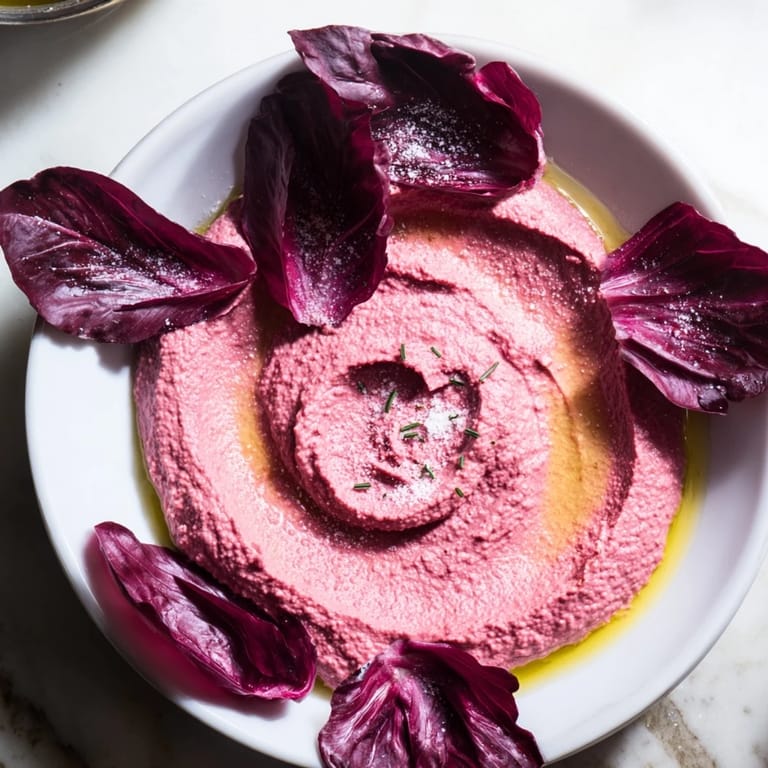
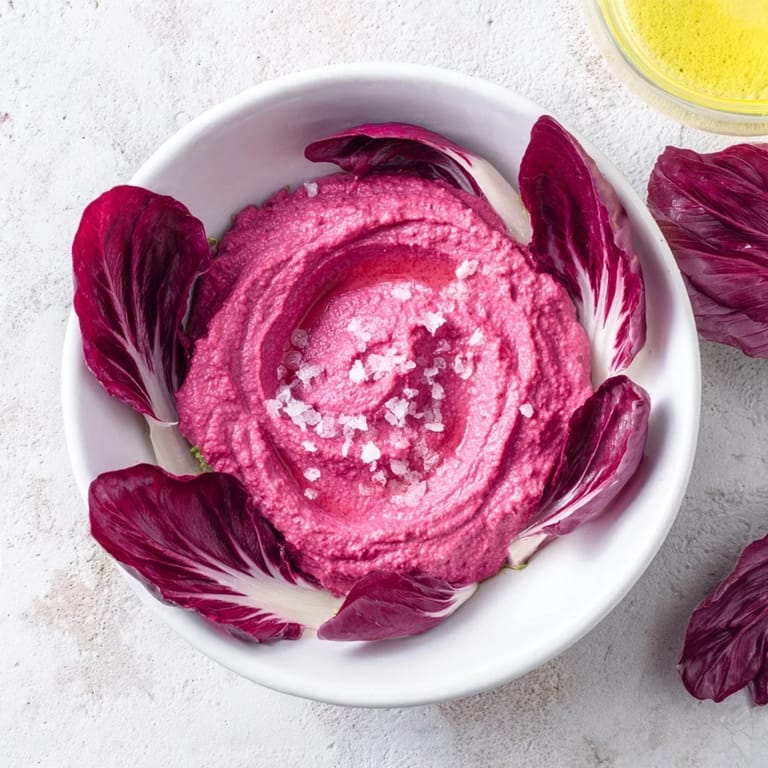
- If you have a piping bag with a star tip, use that for actual rose shapes that'll make people believe you took a pastry class. If not, just swirl it with a spoon in loose curves and it'll still look intentional.
- Arrange the radicchio like petals:
- Lay the leaves around the hummus in an organic way, like they're naturally framing the center.
- Finish with intention:
- Drizzle olive oil, scatter the flaky sea salt so you can actually see it, and add your microgreens or petals if that's your thing.
- Serve while it's still chilled:
- This is best eaten within an hour, while the contrast between cool hummus and crisp radicchio is still sharp and satisfying.
 Save to Pinterest
 There was a moment at that dinner when my friend who says she doesn't eat vegetables put down her phone and just had another radicchio leaf with hummus, and nobody had to say anything because we all saw it happen. That quiet moment when food stops being a project and becomes something shared—that's when I knew this recipe was worth keeping.
When to Make This
This dish is perfect when you want to feel accomplished without spending your whole evening in the kitchen, or when you're feeding people who appreciate food that looks like someone cared about the details. I've made it for casual cocktail nights, work meetings where I wanted to seem competent, and one unforgettable Sunday brunch where it became the thing everyone remembered.
Flavor Variations Worth Trying
The base is forgiving enough to play with once you've made it once and know how it should taste. A pinch of smoked paprika gives it a deeper, almost charred warmth that some people prefer, or you could add a tiny bit of pomegranate molasses if you want something more complex and slightly tangy. Even just swapping the cumin for a pinch of sumac changes the whole mood without losing what makes it special.
How to Make It Your Own
The honest truth is that this recipe is more forgiving than it looks, and once you understand what each ingredient does, you can trust your instincts. Some versions use roasted red peppers instead of beet if you want something brighter, or you can serve it with endive spears, Belgian endive, or even pita chips if radicchio isn't your thing or you can't find good ones. The presentation is where you get to have real fun because there's no single right way to arrange something beautiful on a plate.
- Make it a day ahead and keep it covered in the fridge—the flavors actually deepen, though serve it cold for the best texture.
- If you're using a piping bag and it feels too stiff to pipe, you haven't added quite enough water yet, so add another tablespoon.
- Taste everything before it hits the plate because lemon and salt are where most home cooks get shy and then regret it.
 Save to Pinterest
 This is the kind of recipe that reminds me why I cook in the first place—because taking simple things and making them feel special for people never gets old. It's become my go-to when I want to impress without overthinking it.
Common Recipe Questions
- → How do you make the beet hummus creamy?
Adding cold water gradually while blending helps achieve a luxuriously smooth and creamy texture.
- → What is the purpose of roasting the beet before blending?
Roasting enhances the beet’s natural sweetness and deepens its earthy flavor, enriching the overall dish.
- → Can I substitute radicchio with other greens?
Yes, alternatives like endive or Belgian endive work well, offering a similar crisp texture and mild bitterness.
- → How do I create the rose shapes with the hummus?
Use a piping bag with a large star tip or carefully swirl the hummus with a spoon to form rose-like patterns.
- → Are there any tips to intensify the flavor?
Adding a pinch of smoked paprika to the hummus adds a subtle smoky depth without overpowering the beet’s flavor.
- → Is this dish suitable for specific dietary needs?
Yes, it’s naturally vegan, gluten-free, and nut-free, but contains sesame from the tahini.