 Save to Pinterest
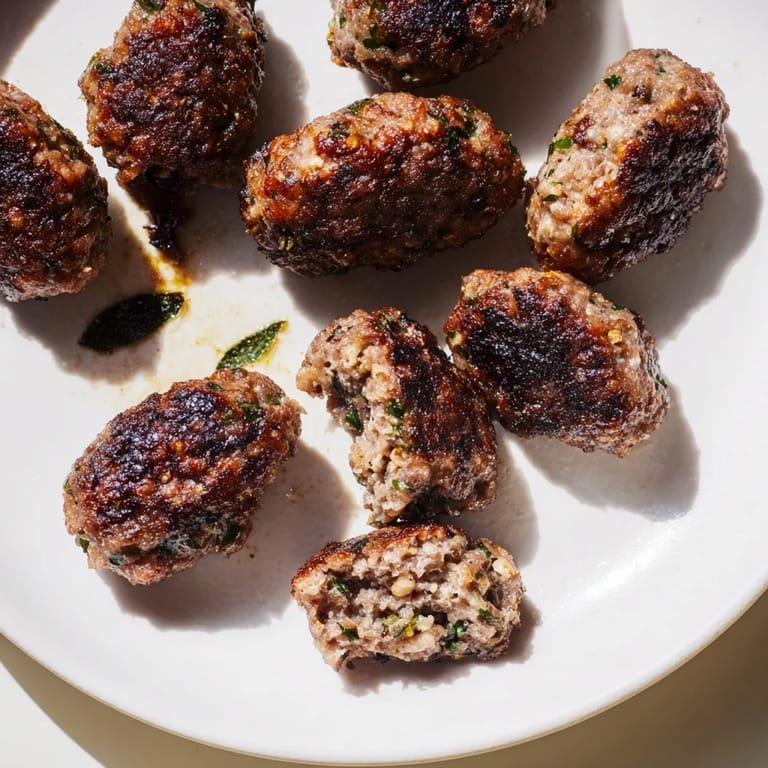
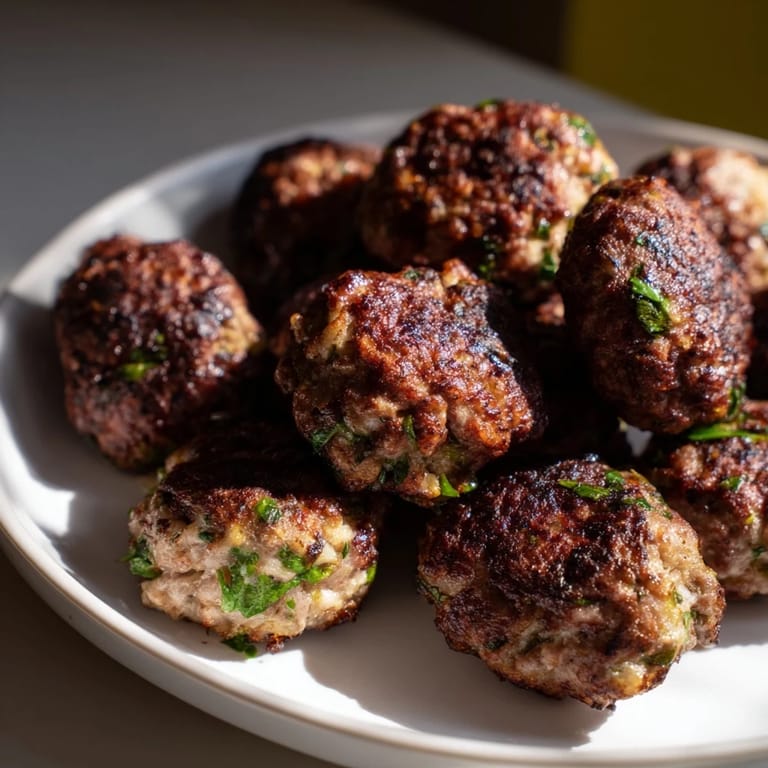
 My neighbor brought over a plate of these köfte one evening, still steaming, and I couldn't stop eating them straight from the platter. She laughed and said it was the simplest thing she makes, just meat and bulgur and a handful of herbs she always keeps in her kitchen. I asked for the recipe right then, and it turned out she didn't measure anything—she just knew by feel when the mixture was right. That first time I made them, I kept tasting the mixture to understand the flavor, and somehow they came out perfect anyway.
I made these for a casual dinner party once, grilling them outdoors while friends sat around in the fading light, and someone said they tasted like something from a restaurant they'd been to in Istanbul. That compliment stuck with me—it wasn't fancy or complicated, just properly spiced meat with enough bulgur to keep everything tender and bound together. Now whenever I make them, I think about that evening and how food doesn't need to be difficult to be memorable.
Ingredients
- Ground beef or lamb (500 g): A mix of both is wonderful, giving you deep flavor without the lamb being too heavy; make sure it's not too lean or the meatballs will be dense.
- Fine bulgur (100 g): This absorbs moisture and keeps everything tender; if you only have coarse bulgur, pulse it a few times or soak it a minute longer.
- Onion and garlic: Grate the onion so it releases its juice and disappears into the mixture; minced garlic gets suspended throughout rather than leaving little chunks.
- Fresh parsley and mint (2 tbsp and 1 tbsp): Fresh herbs are non-negotiable here—they're what make these taste alive; dried mint works in a pinch but use only half the amount.
- Cumin, paprika, black pepper, and chili flakes: These spices work together to build warmth and depth; toast them briefly in your hand to wake them up before mixing if you want them to sing.
- Salt (1 tsp): Taste the raw mixture and adjust here; it should taste a bit bold since the flavors will settle as the meatballs cook.
- Egg: This binds everything without making things rubbery; it's what keeps the meatballs from falling apart on the grill.
- Olive oil (2–3 tbsp): Use something you'd actually eat, not your most precious bottle, but not the cheapest either.
Tired of Takeout? 🥡
Get 10 meals you can make faster than delivery arrives. Seriously.
One email. No spam. Unsubscribe anytime.
Instructions
- Soften the bulgur:
- Pour warm water over the bulgur and let it sit for 10 minutes—you're looking for it to plump up and become tender, not mushy. Test it with your finger; it should feel like wet couscous.
- Combine everything:
- Add the meat, onion, garlic, herbs, and spices to the bulgur, then crack in the egg. This is where your hands become the most important tool.
- Mix with intention:
- Using clean hands, squeeze and fold the mixture for a minute or two until it feels cohesive and slightly sticky; you'll feel when it's ready to hold together. The texture should be uniform, not streaky.
- Shape the meatballs:
- Dampen your hands with water so the mixture doesn't stick, then roll into small ovals or balls about the size of a walnut. If the mixture keeps falling apart, refrigerate it for 15 minutes and try again.
- Pan-fry or grill:
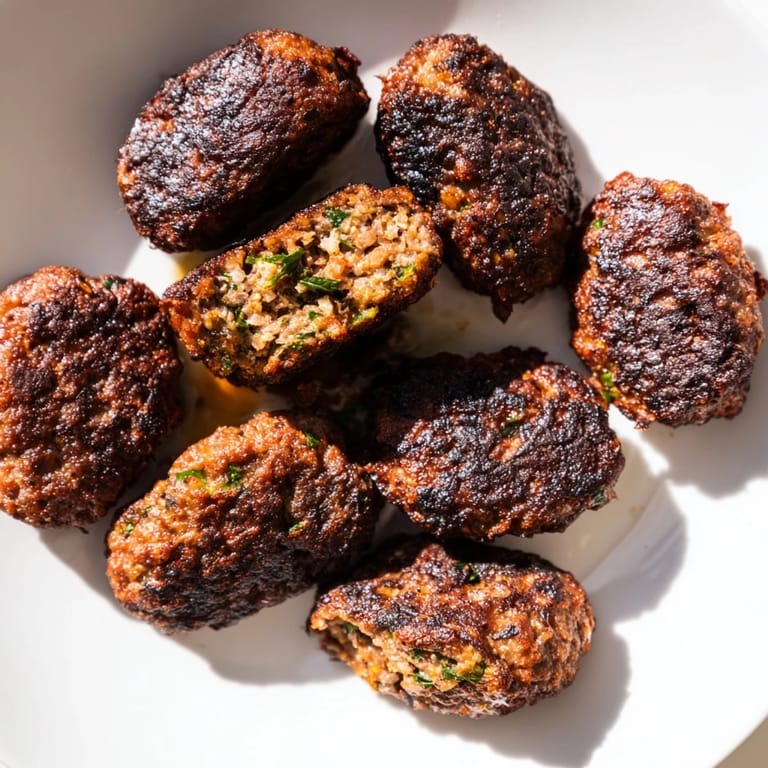
- Heat olive oil in a skillet over medium heat and add meatballs in a single layer, or brush your grill grates lightly with oil and preheat to medium-high. Either way, cook for 3–4 minutes per side until golden and cooked through; the outside should feel firm when you press it.
- Finish and serve:
- Transfer to a warm plate and serve while they still have that slight crispness from cooking, alongside rice, flatbread, or something cool and fresh like a tomato salad.
 Save to Pinterest
 The first time my daughter helped me make these, she was about seven and insisted on mixing everything by hand, which she took very seriously, squeezing the mixture over and over until her face was concentrated and flour-dusted. We ended up with the best batch yet because she was so thorough, and now I let her do it every time we make them. It's become our thing, and she's learned something true about cooking—that patience and attention matter more than speed.
The Secret of the Bulgur
Most people think bulgur is just filler in meatballs, but it's actually doing something crucial—it's a sponge for the juices from the meat, keeping everything tender instead of dense and heavy. The warmth of the water softens it just enough that it doesn't need cooking first, and it disappears into the mixture so thoroughly that people often ask if there's something special in yours that they can't quite name. This is also why homemade meatballs taste better than the ones made with only breadcrumbs; the bulgur brings its own subtle grain flavor that deepens everything around it.
Pan-Frying Versus Grilling
There's a real difference between the two, and it comes down to what kind of meal you're making and what kind of weather you're having. Pan-frying gives you a consistent, golden-brown crust and happens year-round without needing a grill, plus you can make them in batches and keep the first ones warm on a plate while you finish the rest. Grilling adds a char and smokiness that tastes like celebration, and there's something about standing outside cooking that makes even a weeknight feel special.
Building Flavor Beyond the Recipe
Once you've made these a few times, you'll start seeing them as a base for your own discoveries. A pinch of cinnamon or allspice adds a warmth that feels almost hidden, making people wonder what they're tasting without quite pinning it down. Some people add a small amount of finely grated lemon zest for brightness, or crispy fried onions mixed in for texture that stays crunchy.
- Serve them with thick yogurt mixed with garlic and lemon juice, which cools and complements the spices perfectly.
- Grilled or roasted vegetables on the side—peppers, zucchini, or eggplant—echo the herbs and spices in the meatballs.
- A simple tomato salad with red onion and fresh mint is the kind of side that feels essential, not optional.
 Save to Pinterest
 These meatballs have become the thing I make when I want to feel connected to cooking, not rushed by it. There's something grounding about mixing them by hand and watching them transform from raw to golden, and they never fail to bring people to the table.
Common Recipe Questions
- → What type of meat is best for these köfte?
Ground beef or lamb, or a mix of both, works well to create juicy and flavorful meatballs.
- → How does bulgur contribute to the dish?
Bulgur softens and binds the mixture, adding texture and a subtle nutty flavor to the meatballs.
- → Can I cook the meatballs without pan-frying?
Yes, grilling over medium-high heat produces a lovely charred exterior while keeping the inside tender.
- → What herbs and spices are essential in this preparation?
Fresh parsley, mint, cumin, paprika, and black pepper create the characteristic aromatic profile.
- → How should the meatballs be shaped for best results?
Form small oval or round shapes about the size of a walnut for even cooking and ideal texture.
- → Are there any recommended side dishes?
Serving with rice, flatbread, or a crisp salad complements the rich and savory meatballs beautifully.