 Save to Pinterest
 The first time I tasted real döner, I was standing in a cramped Istanbul kitchen watching a chef work a vertical spit with the kind of practiced ease that comes from doing something ten thousand times. The meat curled away in translucent ribbons, each layer catching the heat just right, and I realized this wasn't just meat on a stick—it was architecture. When I finally attempted it at home without a rotisserie, I discovered you could build that same magic in an oven, layer by layer, with patience and the right spices.
My neighbor knocked on the door mid-afternoon with that look people get when they smell something they can't identify. I was two hours into roasting döner in my regular oven, and the aroma had apparently drifted through the walls—cumin, coriander, paprika, and char mixing into something that made her stand in my kitchen asking what I was making before I'd even answered the door. She stayed for dinner, and we built döner sandwiches with cucumber and yogurt sauce while standing at the kitchen counter, and that's when I knew this recipe was the kind you make again and again.
Ingredients
- Boneless lamb shoulder or beef sirloin (1 kg), thinly sliced: Lamb gives you that traditional rich flavor, but beef sirloin works beautifully too and is often easier to source and slice evenly. The thinness matters more than which one you choose—aim for about 2-3 mm thickness so the meat cooks through but stays tender.
- Lamb fat or beef fat (100 g), thinly sliced: This isn't strictly necessary, but it's the secret to that authentic richness and helps prevent the meat from drying out during the long cook. If you can't find it or prefer to skip it, your döner will still be delicious.
- Plain Greek yogurt (150 g): Don't use flavored yogurt or anything too thick—Greek yogurt's tanginess is what makes the marinade work, tenderizing the meat while it sits.
- Olive oil (3 tbsp): Good olive oil matters here because it carries the flavors and helps everything bind together in the marinade.
- Garlic (3 cloves), minced: Fresh garlic only—jarred won't give you that clean punch you need.
- Onion (1 large), grated with juice squeezed out: The grated onion melts into the marinade and adds sweetness and depth; squeezing out the juice prevents the marinade from becoming watery.
- Ground cumin (2 tsp): This is the backbone spice—it's warm and slightly earthy and makes döner taste like döner.
- Ground coriander (2 tsp): Citrusy and subtle, it rounds out the cumin without competing with it.
- Sweet paprika (2 tsp) and smoked paprika (1 tsp): Sweet paprika gives color and mild pepper flavor, while smoked paprika adds that hint of char and depth you get from the traditional spit.
- Ground black pepper (1 tsp): Fresh cracked is ideal because pre-ground pepper can taste stale and dusty.
- Salt (1½ tsp): Taste as you go because salt levels vary with your other ingredients.
- Ground cinnamon (½ tsp) and chili flakes (½ tsp, optional): The cinnamon is barely detectable but adds a warmth that makes people ask what the secret ingredient is; chili flakes are optional but give a gentle heat that builds.
Tired of Takeout? 🥡
Get 10 meals you can make faster than delivery arrives. Seriously.
One email. No spam. Unsubscribe anytime.
Instructions
- Make the Marinade Base:
- Combine all your spices, yogurt, olive oil, minced garlic, and grated onion in a large bowl and mix until smooth and fragrant. This is your chance to taste and adjust—if you want more heat, add more chili flakes; if the spice balance feels off, trust your instincts now rather than later.
- Marinate the Meat:
- Add your thinly sliced meat and any fat you're using to the marinade and coat everything thoroughly with your hands, making sure each slice gets a good coating. Cover and refrigerate for at least 4 hours, though overnight is when the magic really happens—the yogurt breaks down the muscle fibers and the spices penetrate completely.
- Build Your Stack:
- Preheat your oven to 200°C (400°F). If you have metal skewers, layer the marinated meat onto them tightly, pressing down as you go to create a compact, dense stack—this mimics the spit and helps it cook evenly. If you don't have skewers, a loaf pan works surprisingly well; layer the meat and fat tightly, pressing each layer down before adding the next.
- Roast with Care:
- Place your stack on a rack set over a baking tray (this catches the juices and lets air circulate underneath). Roast for about 1 hour, basting with the pan juices every 15-20 minutes so the exterior gets caramelized while the inside stays tender. For the last 15 minutes, bump the heat up to 220°C (430°F) for extra browning and a bit of char.
- Rest and Slice:
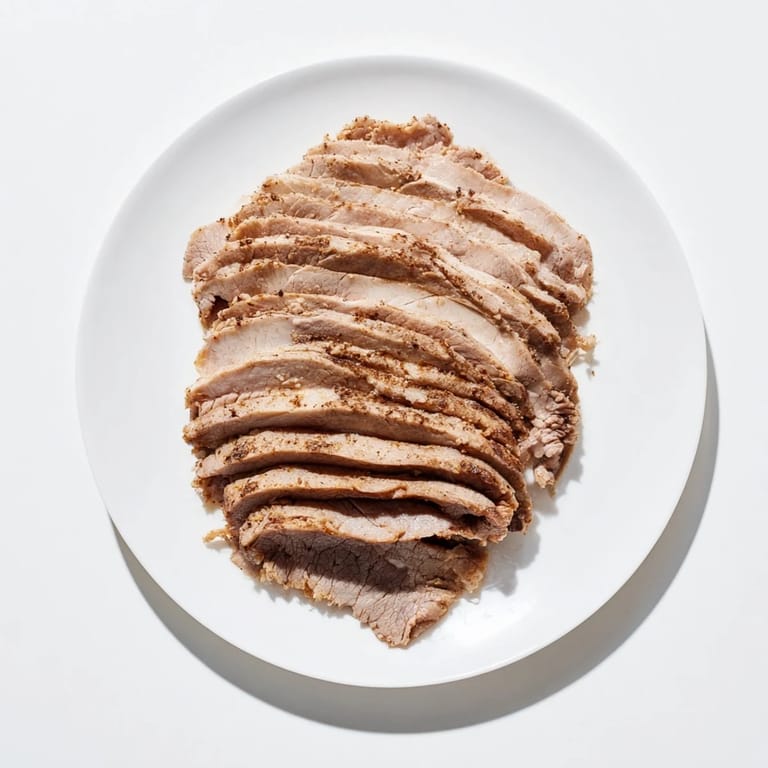
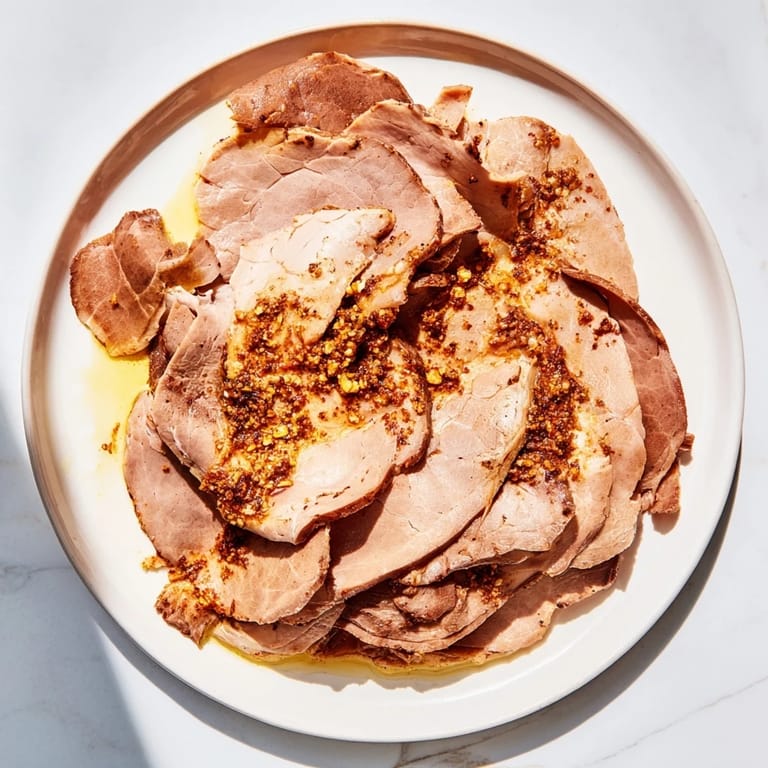
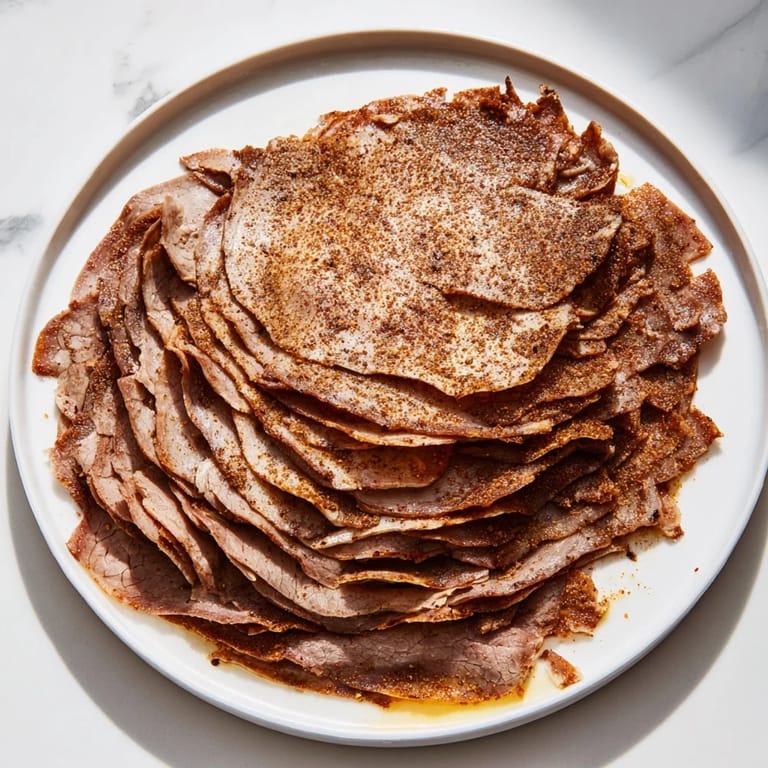
- Remove from the oven and let it rest for 10 minutes—this lets the juices redistribute so every bite stays juicy. Using a sharp knife (a thin-bladed carving knife is ideal), slice as thinly as you can manage, working from top to bottom.
- Serve Right Away:
- Warm your flatbread or pita, set out fresh vegetables and sauces, and let people build their own sandwiches while the meat is still warm and the bread is still soft.
 Save to Pinterest
 There's a moment when you pull döner from the oven and the kitchen fills with this smell that makes everyone stop what they're doing and pay attention. That's when you know you've done it right—not because the recipe worked, but because you created something that brings people to the table without anyone needing to be asked twice.
Why This Works Without a Rotisserie
A traditional döner spit works because the meat rotates slowly in front of heat, so the outside crisps while the inside stays tender, and the rendered fat bastes everything as it cooks. When you layer meat in your oven, you're mimicking this by building density and pressing down—the stack holds heat and moisture, and basting replaces the constant rotation and self-basting. It's not identical to standing in front of a spit for an hour, but the end result is surprisingly close, and honestly, the flavor is what matters.
Building Your Döner Bowl
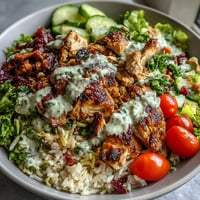
The magic of döner is that it's a platform for whatever you have on hand. Warm flatbread is traditional, but you can use it over rice, in a salad, or tucked into lettuce cups if you're keeping things lighter. Fresh vegetables matter more than you'd think—crisp cucumber, sharp onion, bright tomato, and cool lettuce all balance the richness of the meat. Yogurt sauce (plain yogurt mixed with garlic, salt, and a squeeze of lemon) is traditional and necessary, but don't sleep on a hot sauce or tahini paste either.
- Slice your onions paper-thin so they stay fresh and don't overpower the other flavors.
- If your vegetables are watery (tomatoes or cucumber), pat them dry before assembling or they'll make your bread soggy.
- Warm the flatbread just before serving so it's pliable and carries everything without falling apart.
Storing and Reheating
Döner stays good in the fridge for about three days, and the flavors often deepen overnight. To reheat, warm it gently in a covered pan over medium heat with a splash of water, shaking the pan occasionally so it heats through without drying out. You can also slice it thin and briefly sear it in a hot pan for a bit of texture contrast, which honestly makes leftovers taste almost better than the first time around.
Spice Variations and Adjustments
The spice blend I've given you is the traditional one, but this recipe is forgiving enough that you can adjust based on what you love. More cinnamon leans it sweeter; more chili flakes and black pepper make it hotter; more cumin pushes it earthier. Start with the recipe as written, but trust your palate—if you want something different next time, you'll know exactly what to change.
- Toast your spices in a dry pan for 30 seconds before grinding them fresh if you have whole ones—the difference is remarkable.
- If you can't find smoked paprika, use regular paprika and add a tiny pinch of liquid smoke to the marinade for a similar depth.
- Double-check your paprika color before buying; some brands sell what looks like paprika but is actually chili powder, and the flavors are completely different.
 Save to Pinterest
 Making döner at home is one of those recipes that feels impressive but gets easier every time you make it. Once you understand how the meat needs to stack and how the spices work together, you're not following a recipe anymore—you're cooking something you know.
Common Recipe Questions
- → What cut of meat works best for Turkish döner?
Boneless lamb shoulder or beef sirloin thinly sliced provide ideal tenderness and flavor for authentic results.
- → Why is marinating important for this dish?
Marinating in yogurt and spices tenderizes the meat and infuses it with rich, balanced flavors.
- → Can I cook the döner without a vertical rotisserie?
Yes, layering and roasting the marinated meat tightly on skewers or in a loaf pan in the oven mimics the slow-cooked texture.
- → What spices create the classic Turkish döner flavor?
Cumin, coriander, sweet and smoked paprika, black pepper, cinnamon, and optional chili flakes combine to achieve the signature taste.
- → How should the cooked meat be served?
Sliced thinly and served with warm pita or flatbread, fresh vegetables, and yogurt or garlic sauces for complementary freshness.
- → Are there any suggested accompaniments?
Pair with crisp Turkish white wine or Ayran for an authentic culinary experience.