 Save to Pinterest
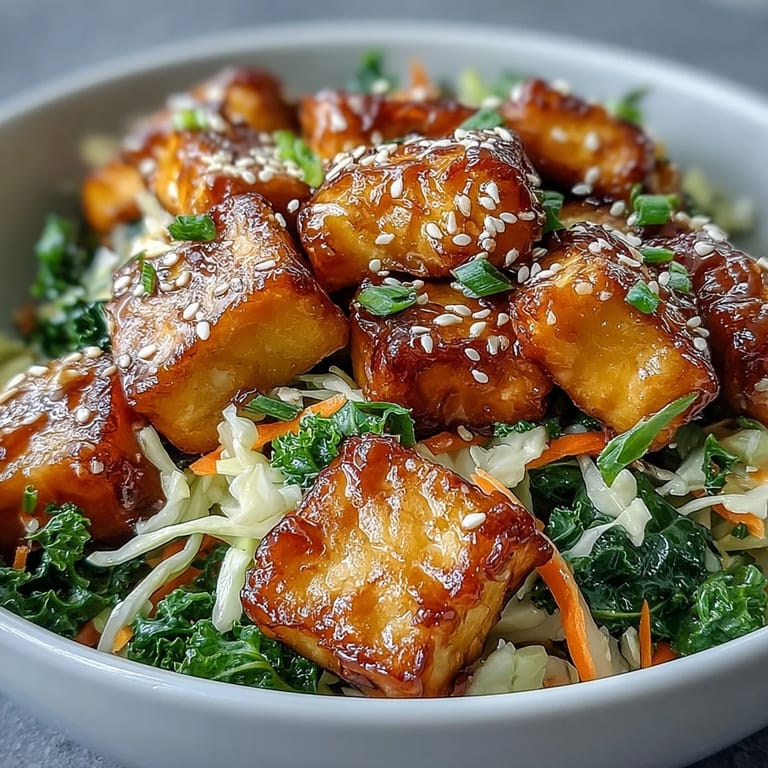
 My kitchen smelled like toasted sesame oil the afternoon I first threw together this bowl, trying to salvage some sad tofu and wilting greens before they hit the compost. What started as a desperate use-it-up moment turned into something I've made at least twice a week since—it's got that satisfying crunch and savory depth of an egg roll, minus the deep-fried guilt. The crispy tofu edges against the tender kale and bright cabbage created this texture contrast that kept me coming back for another bite, and then another. My partner walked in mid-stir and asked if we were eating takeout, which felt like the highest compliment.
I served this to my skeptical brother-in-law who claims he only eats meat, and he went back for seconds without realizing it was entirely vegan. The way the cornstarch-coated tofu gets those golden, crispy edges while the sauce coats everything in a glossy, umami-rich coating just works—there's no pretense here, just straightforward deliciousness. That moment when someone you didn't expect to convert reaches for another spoonful without commentary? That's when you know a recipe has earned its place in your regular rotation.
Ingredients
- Extra-firm tofu (400 g): The pressed and cubed foundation of this bowl—pressing it thoroughly removes excess moisture so it crisps up beautifully instead of steaming.
- Cornstarch (1 tbsp): Your secret weapon for creating those golden, crunchy exterior edges that make tofu taste like it was actually fried.
- Neutral oil (1 tbsp): Use sunflower or canola for a high smoke point that lets the tofu brown without burning the pan.
- Green cabbage (2 cups, thinly sliced): The backbone of texture—stays crisp and slightly sweet when you don't overcook it.
- Kale (1 cup, stemmed and sliced): Brings earthiness and nutrition, but tender enough here that it won't feel chewy.
- Spinach (1 cup, roughly chopped): Wilts into the sauce and adds a tender counterpoint to the crunchier vegetables.
- Carrot (1 large, julienned): Adds natural sweetness and a delicate crunch that plays beautifully against the savory sauce.
- Green onions (3, sliced): Use both the white and green parts—the whites flavor the initial aromatics and the greens finish the dish with fresh bite.
- Garlic and ginger (2 cloves and 1 tbsp respectively): These build the aromatic foundation that makes your kitchen smell like you're cooking something seriously intentional.
- Low-sodium soy sauce or tamari (3 tbsp): The umami backbone—tamari keeps it gluten-free if that matters to you.
- Rice vinegar (1 tbsp): Brightens the sauce so it doesn't feel heavy or one-note.
- Toasted sesame oil (1 tbsp): Non-negotiable for authentic flavor—the toasted variety has way more personality than regular sesame oil.
- Maple syrup or agave (1 tsp): A whisper of sweetness that rounds out the sauce and echoes the slight sweetness of the vegetables.
- White pepper (1/2 tsp): Milder and less harsh than black pepper, it adds warmth without overwhelming the other flavors.
- Sesame seeds and chili flakes: Garnishes that add textural contrast and optional heat.
Tired of Takeout? 🥡
Get 10 meals you can make faster than delivery arrives. Seriously.
One email. No spam. Unsubscribe anytime.
Instructions
- Press and cube your tofu:
- Pat the tofu completely dry with paper towels or use a tofu press—any moisture clinging to it will steam instead of crisp. Cut into bite-sized cubes and toss gently with the cornstarch until every piece is lightly coated.
- Sear the tofu until golden:
- Heat your oil in a large skillet or wok over medium-high heat until it shimmers, then add the tofu in a single layer. Let it sit undisturbed for 2 minutes so the bottoms can brown properly, then toss and continue cooking for another 4–6 minutes until most sides are golden and slightly crispy. This is where the texture magic happens—don't rush it or stir too often.
- Build your aromatic base:
- Remove the tofu to a plate and add the garlic, ginger, and white parts of the green onions to the same pan. Sauté for just about a minute until the kitchen fills with that unmistakable fragrance that signals everything is about to come together.
- Add and stir-fry the vegetables:
- Toss in the cabbage, kale, and carrot and keep stirring for 3–4 minutes. You want them tender enough to eat easily but still holding their color and structure—this is not the time to turn everything into mush.
- Wilt in the spinach:
- Add the spinach and stir for just a minute until it collapses into the pan without completely disappearing.
- Make your sauce:
- While the vegetables cook, whisk together the soy sauce, rice vinegar, sesame oil, maple syrup, and white pepper in a small bowl. This takes 30 seconds and tastes infinitely better than improvising at the last moment.
- Bring everything together:
- Return the tofu to the pan, pour the sauce over everything, and toss gently for about 2 minutes so the sauce coats all the vegetables and tofu and everything heats through evenly. The sauce should smell incredible and coat the back of a spoon.
- Plate and garnish:
- Divide into bowls and finish with sesame seeds, the reserved green onion greens, and chili flakes if you want heat. Serve immediately while the tofu is still warm and the vegetables retain their crispness.
 Save to Pinterest
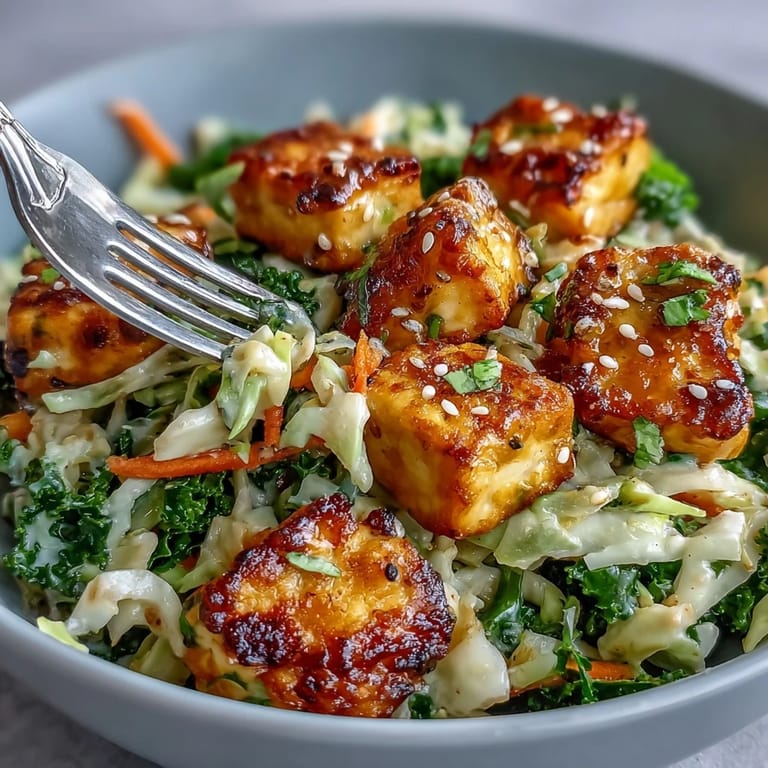
 The first time I made this for a dinner party, I was genuinely nervous about serving a plant-based meal to guests who'd never explicitly asked for one—that imposter syndrome where you wonder if you're being presumptuous. But watching everyone eat without once mentioning that it was vegan, just talking about how good it was, that's when it clicked: good food is just good food, regardless of what's or isn't in it.
Variations That Actually Work
Swapping vegetables is where this bowl gets fun because the flavor profile is flexible enough to handle whatever you're drawn to. I've made it with bok choy instead of kale when I wanted something more delicate, and napa cabbage when I was craving extra sweetness. The sauce anchors everything, so even if your vegetable lineup looks completely different from mine, you're going to end up with something deeply satisfying.
Making It a Full Meal
On nights when I want something more substantial, I'll cook brown rice or quinoa separately and either toss it into the bowl or serve it as a base underneath. Rice noodles work beautifully too if you're in the mood for something lighter and more slippery. The sauce is forgiving enough that it coats grains without becoming too saucy, so you get balanced bites every single time.
Texture and Flavor Layers That Matter
What makes this bowl feel like a complete meal instead of just vegetables in sauce is the intentional contrast—crispy tofu against tender greens, crunchy carrot against wilted spinach. The sauce provides umami richness that ties everything together, while the sesame seeds add a final toast and crunch that wakes up your palate. Those little details are what separate a bowl you eat because you're hungry from a bowl you actually crave.
- Toast your sesame seeds in a dry pan for 2 minutes before using if you want extra depth of flavor.
- If chili flakes feel too harsh, a squeeze of fresh lime juice at the end adds brightness instead.
- Leftovers keep for 3 days in the fridge but taste best when the tofu is still relatively fresh, so don't stress about making huge batches.
 Save to Pinterest
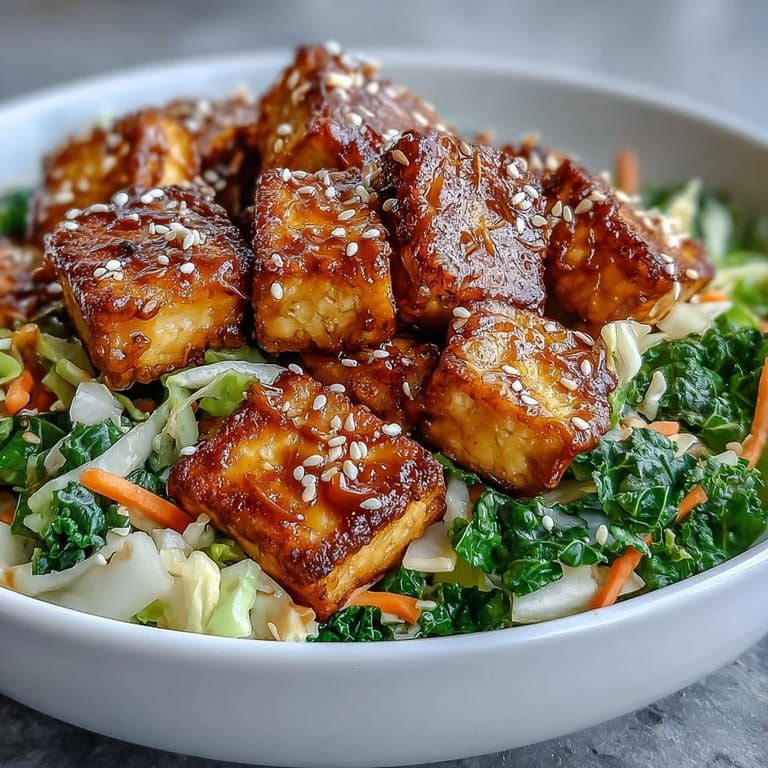
 This bowl became my answer to the question I used to dread: what's for dinner? It's fast enough for weeknights but feels intentional enough for people you actually want to cook for. Once you make it a few times, it stops being a recipe and becomes the kind of meal you just know how to throw together.
Common Recipe Questions
- → How do I get crispy tofu?
Press your tofu for at least 15 minutes to remove excess moisture, then toss cubes in cornstarch before pan-frying. Cook over medium-high heat in a single layer, turning occasionally until golden on all sides. Don't overcrowd the pan—work in batches if needed.
- → Can I make this ahead?
The vegetables reheat well, but tofu is best freshly cooked for optimal texture. Store components separately in airtight containers for up to 3 days. Reheat vegetables in a skillet over medium heat and add tofu just until warmed through to maintain crispiness.
- → What can I serve with this bowl?
Brown rice, quinoa, or rice noodles make excellent additions for a more filling meal. For low-carb options, serve over cauliflower rice or enjoy on its own. The bowl is substantial enough to stand alone as a light dinner.
- → Is this gluten-free?
Yes, simply substitute tamari or coconut aminos for the soy sauce. Verify all other ingredients, particularly condiments and garnishes, are certified gluten-free. The cornstarch coating and vegetables are naturally gluten-free.
- → Can I use different vegetables?
Absolutely. Bok choy, napa cabbage, broccoli, bell peppers, or snap peas work beautifully. Adjust cooking times accordingly—denser vegetables like broccoli may need a few extra minutes, while delicate greens like spinach should be added last.
- → How spicy is this dish?
The base version is mild with just white pepper for warmth. Add chili flakes to taste, or drizzle with sriracha when serving. Fresh minced ginger provides a gentle warmth without overwhelming heat.