 Save to Pinterest
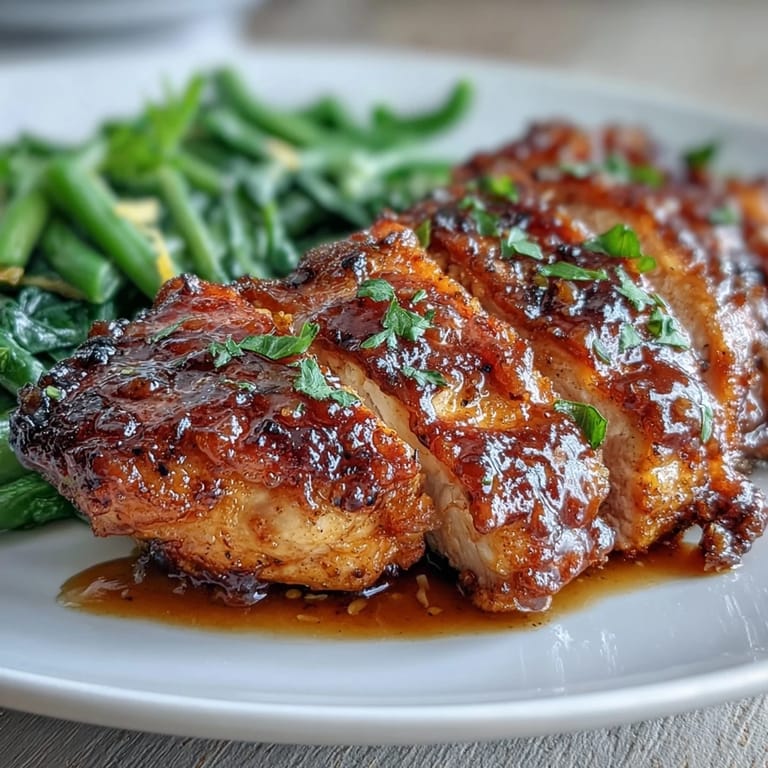
 There's something about the smell of mustard hitting a hot pan that makes you pause mid-conversation, and that's exactly what happened when my neighbor shared this recipe over coffee one morning. She described it so matter-of-factly—chicken, green beans, a quick glaze—but when I finally made it on a Wednesday night, the whole kitchen filled with this warm, tangy aroma that felt celebratory for a weeknight dinner. The honey cuts through the sharp mustard just enough to make you want to keep tasting the sauce, and the green beans somehow stay crisp even after roasting. It became the kind of meal I'd make when I wanted something that looked more impressive than the thirty-five minutes it actually takes.
I made this for my sister's surprise visit last spring, and she walked in just as I was brushing the sauce onto the chicken—the timing felt deliberate even though it wasn't. She sat on the counter while I worked, telling me about her week, and by the time we ate twenty minutes later, she said this was exactly what she needed without even knowing it. There's something about cooking for someone you haven't seen in months that makes simple food taste like home.
Ingredients
- Boneless, skinless chicken breasts: Pat them completely dry before seasoning, which lets them brown properly and keeps the glaze from sliding off.
- Dijon mustard: Use real Dijon here because the difference between quality and the bright yellow stuff is honestly noticeable in every bite.
- Whole grain mustard: This adds texture and prevents the sauce from being one-dimensional, giving you little bursts of mustard seed.
- Honey: Don't use honey that's crystallized or too thick; warm it slightly if needed so it incorporates smoothly into the sauce.
- Lemon juice and zest: Fresh lemon is non-negotiable; bottled juice tastes flat and misses the sharp, living quality this dish needs.
- Garlic: Mince it fine so it distributes evenly through the sauce instead of leaving big chunks that overpower.
- Fresh green beans: Look for ones that snap when you bend them, which means they're tender inside and not woody.
- Olive oil: Use regular olive oil for cooking, not expensive extra virgin, which burns and wastes its flavor.
Tired of Takeout? 🥡
Get 10 meals you can make faster than delivery arrives. Seriously.
One email. No spam. Unsubscribe anytime.
Instructions
- Make your sauce first:
- Whisk together both mustards, honey, lemon juice, and minced garlic in a small bowl until it's smooth and amber-colored, smelling like something you'd want to drizzle on everything.
- Prepare your chicken:
- Pat those breasts completely dry with paper towels—this is the unglamorous step that actually matters for getting them golden. Season both sides generously with salt and pepper, treating them like they deserve your attention.
- Get the pan hot:
- Heat olive oil in an oven-safe skillet over medium-high heat until it shimmers and moves easily around the pan, which takes about a minute.
- Sear the chicken:
- Place chicken breasts in the hot oil and listen for that aggressive sizzle; don't move them around for the first two minutes, then flip and repeat. You want a golden, slightly caramelized surface that looks like you know what you're doing.
- Brush with glaze:
- Take the skillet off the heat and brush the tops of the chicken with your sauce, reserving a couple tablespoons for finishing. Work quickly so the residual heat doesn't cook your sauce unevenly.
- Arrange the green beans:
- Toss your trimmed green beans with a tablespoon of olive oil, salt, and pepper, then scatter them around the chicken in the same skillet. They'll brown slightly around the edges and stay snappy inside.
- Into the oven:
- Transfer the skillet to a 200°C (400°F) oven for fifteen to eighteen minutes, keeping an eye through the oven window if you have one. The chicken should reach an internal temperature of 75°C (165°F) and the green beans should still have a little firmness when you pierce them.
- Rest and finish:
- Pull everything from the oven and let the chicken sit for three minutes, which makes it even more tender. Drizzle with that reserved sauce and shower with lemon zest if you're using it.
 Save to Pinterest
 My most vivid memory of this dish isn't actually about the eating—it's about my mom leaning over the counter and saying, 'I could eat green beans again and again if you made them like this.' She's never been someone who gushes about food, so hearing that made the whole dinner feel worth the effort.
The Science of Why This Works
The magic happens because honey and mustard have this built-in tension that actually makes food taste better. Acid from the lemon juice keeps the honey from tasting cloying, while the mustard's sharpness prevents sweetness from dominating, and somehow the flavors wake each other up instead of fighting. The garlic adds savory depth that ties everything together, making it feel more sophisticated than 'just chicken and glaze.' When this mixture hits hot chicken skin, it caramelizes into something glossy and complex that you'll want to scrape off the pan.
How to Know Your Chicken Is Actually Done
Using a meat thermometer takes the guesswork out of this entirely, which sounds like overkill until you've cut into a chicken breast you thought was done and found it's still slightly translucent. The internal temperature should hit exactly 75°C (165°F); any higher and you're creeping into the dry territory. If you don't have a thermometer, pierce the thickest part and look for clear juices with no pink, though honestly, a thermometer costs less than the chicken and eliminates this problem permanently.
Customizations That Actually Work
This recipe is more flexible than it first appears, and I've learned what substitutions genuinely improve it versus which ones just muddies the flavors. Boneless thighs work beautifully if you prefer them to breasts, though they need an extra four or five minutes in the oven to cook through completely. Different mustards change the personality of the dish—spicy brown mustard adds heat, while stone-ground gives you more texture and rusticity.
- A pinch of chili flakes tossed onto the green beans adds subtle heat that complements the sweet-tangy glaze without overwhelming it.
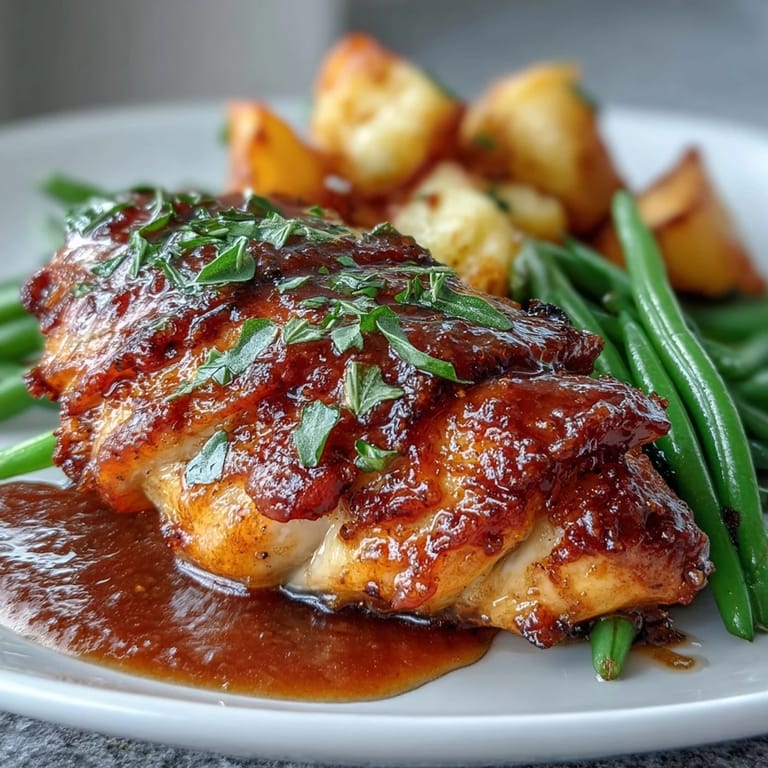
- Serve this with rice if you want to soak up the extra sauce, or with roasted potatoes if you're going heartier.
- Leftover chicken tastes even better the next day cold or sliced into a salad, so don't hesitate to make extra.
 Save to Pinterest
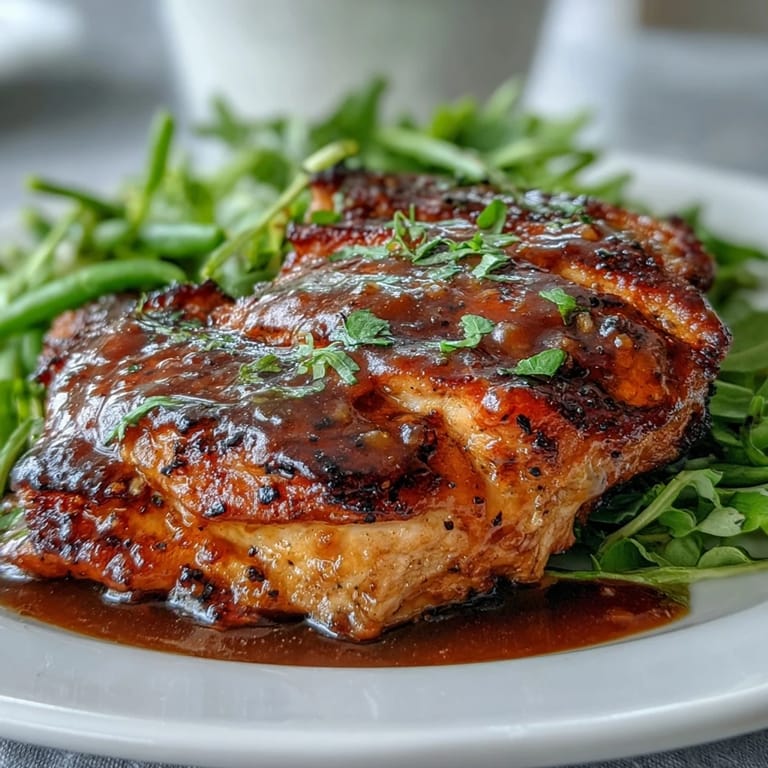
 This dish has become my go-to for nights when I want something that tastes intentional but doesn't demand hours in the kitchen. It's the kind of meal that reminds you why home cooking matters.
Common Recipe Questions
- → What cut of chicken works best for this dish?
Boneless, skinless chicken breasts are ideal for even cooking and a tender texture, but boneless thighs can be used with adjusted cooking times.
- → How can I ensure the green beans stay crisp-tender?
Trim and toss green beans with olive oil and seasoning, then bake alongside the chicken for a short time to retain their crispness without overcooking.
- → Can I prepare the honey mustard sauce in advance?
Yes, the sauce can be whisked together ahead of time and refrigerated to allow flavors to meld, enhancing the glaze's tanginess.
- → What is the purpose of searing the chicken before baking?
Searing locks in juices and creates a golden exterior, contributing to better flavor and texture before finishing in the oven.
- → Are there any suggested side dishes to complement this meal?
Steamed rice, roasted potatoes, or a fresh salad pair well, complementing the dish’s bright and savory profile.