 Save to Pinterest
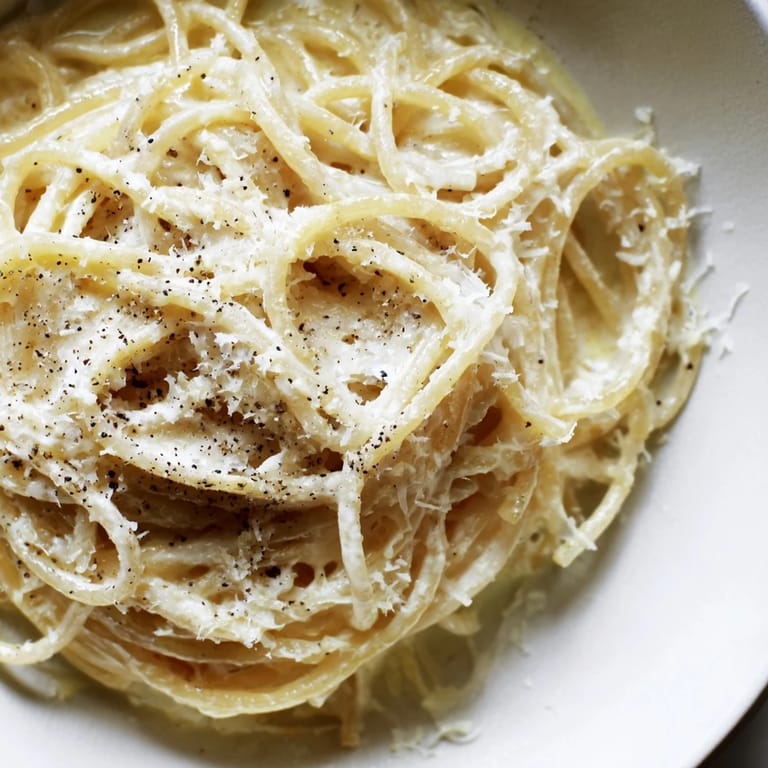
 There's a particular magic that happens in a Roman kitchen when someone decides to make cacio e pepe without overthinking it. I learned this the hard way years ago, standing in a tiny apartment in Trastevere with a friend who insisted the dish required nothing more than what was already in her cupboard. No cream, no butter, just cheese and pepper and the starchy water from boiling pasta. The first time I watched the transformation—that moment when everything suddenly became silky instead of gritty—I understood why Romans guard this recipe so fiercely.
My friend Marco made this for a dinner party where everything else fell apart—the wine spilled, we ran out of appetizers, the music system died—but then he brought out these bowls of cacio e pepe, steam rising, pepper flecks catching the light, and suddenly nobody cared about the chaos. People got quiet. They just ate, appreciated, and asked for more. That's when I realized this dish doesn't need fanfare; it speaks for itself.
Ingredients
- Spaghetti: Use 400 grams of good-quality spaghetti—the shape matters because it catches and holds the sauce in its thin strands.
- Pecorino Romano cheese: 120 grams, freshly grated right before cooking; pre-grated cheese has anti-caking agents that ruin the silky texture you're after.
- Freshly cracked black pepper: 2 teaspoons that you crack yourself moments before toasting; the aromatic oils matter more than the quantity.
- Salt: For the pasta water; this is your only chance to season the pasta itself.
Tired of Takeout? 🥡
Get 10 meals you can make faster than delivery arrives. Seriously.
One email. No spam. Unsubscribe anytime.
Instructions
- Boil the pasta properly:
- Bring a large pot of salted water to a rolling boil and add your spaghetti, stirring so it doesn't clump. Cook until just al dente—that moment when it's tender but still has a slight resistance when you bite it—then before draining, scoop out a full cup of that starchy cooking water and set it aside. This water is your secret weapon.
- Toast the pepper:
- Pour your freshly cracked black pepper into a large skillet over low heat and let it toast for 1 to 2 minutes; you'll smell when it's ready, that deep, warm aroma that suddenly fills the kitchen. Don't rush this—the heat unlocks the pepper's personality.
- Build the sauce base:
- Add about half a cup of your reserved hot pasta water to the skillet with the toasted pepper and let it simmer gently. The water should look slightly milky from the starch, which is exactly what you want.
- Bring it all together:
- Add your drained spaghetti to the skillet and toss it constantly in the peppery water, coating every strand. This is where patience matters—keep tossing.
- Add the cheese gradually:
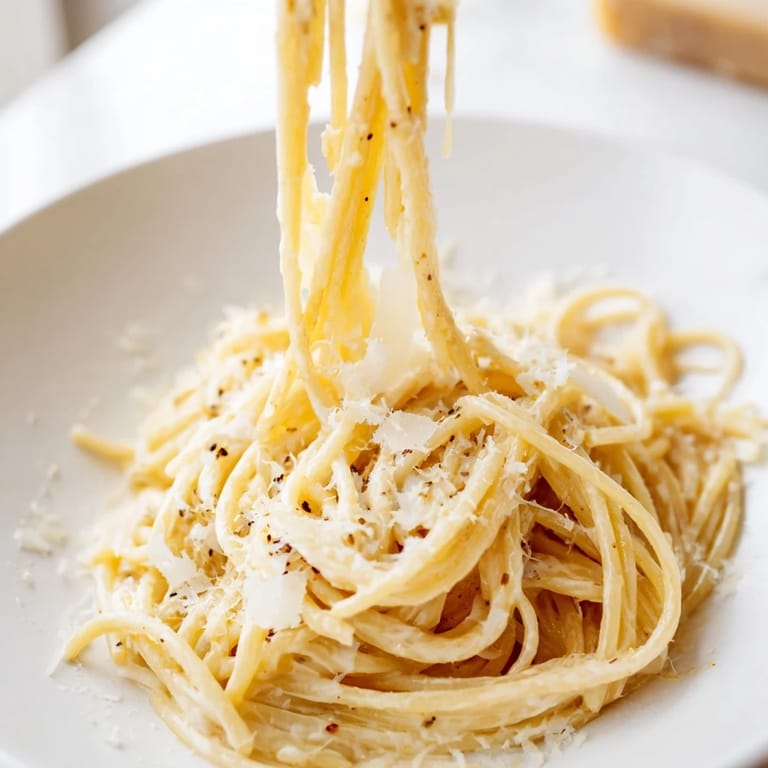
- Here's where most people fail: sprinkle in the Pecorino Romano slowly while tossing vigorously, adding it in small handfuls rather than all at once. The constant motion and the heat prevent the cheese from clumping into sad little balls; instead, it emulsifies into something creamy and silky. If it looks too thick, add more pasta water a splash at a time.
- Serve immediately:
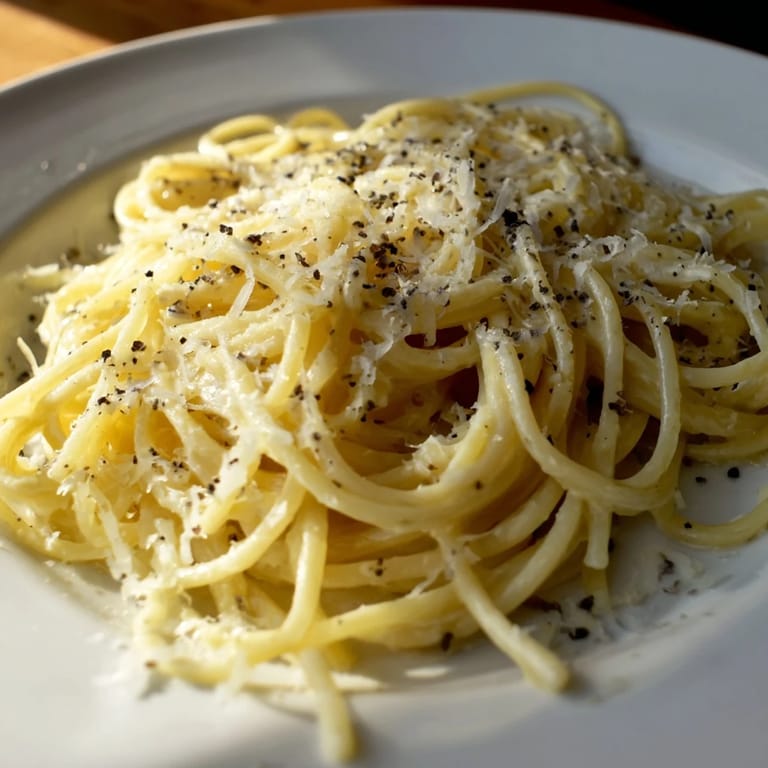
- Transfer to warm bowls right away and top with extra Pecorino and cracked pepper, because cacio e pepe waits for no one.
 Save to Pinterest
 The night my mom tried making cacio e pepe after I explained it to her over the phone, she called back fifteen minutes later just to say 'You were right about the pepper' in that tone that meant she finally got it. Food has a way of creating these tiny moments of connection, even across distance.
Why This Works
Most dishes hide behind long lists of ingredients, but cacio e pepe proves that restraint is a kind of elegance. The science is straightforward: the starch from the pasta water acts as an emulsifier that helps the cheese melt smoothly instead of separating into grease and curds. The toasted pepper becomes part of the sauce, infusing it with warmth rather than sitting on top as seasoning. It's a dish that works because of chemistry and precision, not despite its simplicity.
The Story Behind the Name
'Cacio' means cheese in Roman dialect, and 'pepe' is pepper—so you're literally eating 'cheese and pepper,' which is exactly what you get. There's no hiding behind fancy names or mysterious techniques here. Roman cuisine has always been about taking what's available and making it magnificent, and this dish is the perfect example. Street vendors used to make it for workers, and it became famous because it was so good, not because it was expensive or difficult.
Making It Your Own
While the traditional version is sacred, you have small choices that matter. Some people use a mix of Pecorino and Parmigiano Reggiano if they want a slightly milder taste, though purists will debate you. The amount of pepper is genuinely flexible—2 teaspoons is the standard, but I've had it with nearly double that from friends who love heat. Quality and freshness of your cheese matters more than any substitution; aged Pecorino is sharper and more complex than younger cheese, so choose based on what your palate wants that night.
- If Pecorino Romano is unavailable, Parmigiano Reggiano works but tastes noticeably different and milder.
- Grind your pepper fresh if possible; pre-ground loses its volatile oils and won't give you the same depth.
- This dish doesn't freeze or reheat well, so make only what you'll eat immediately.
 Save to Pinterest
 This is a dish that rewards you for paying attention instead of multitasking. Make it when you have 20 minutes and genuine hunger, not when you're distracted or in a hurry.
Common Recipe Questions
- → What cheese is used in this dish?
Finely grated Pecorino Romano is used for its salty and tangy flavor that melts into the pasta for a creamy texture.
- → How is the sauce made creamy without cream?
By using reserved hot pasta water and vigorously tossing cheese with the pasta, a silky, smooth sauce forms naturally.
- → Why toast the black pepper before adding it?
Toasting releases the pepper's essential oils and deepens its flavor, adding a fragrant, peppery punch to the sauce.
- → Can I substitute Pecorino Romano with another cheese?
Parmigiano Reggiano can be used for a milder, less salty flavor while still providing a creamy consistency.
- → What is the ideal pasta texture for this dish?
Cooking spaghetti just until al dente ensures it holds its shape and combines well with the rich cheese and pepper sauce.