 Save to Pinterest
 One sweltering afternoon, my neighbor showed up at the door with a bag of mangoes she couldn't use fast enough, and I was stuck staring at them wondering what to do beyond the obvious smoothie route. That's when it hit me: what if I brewed a strong cup of tea, let it cool, and folded in something bright and fruity instead of just dumping in sugar and calling it a day? The result was this mango iced tea, and now every summer someone ends up asking for the recipe after tasting it cold and golden in a glass.
I made this for a potluck once thinking it would be just another drink contribution, but watching people actually sip it slowly instead of chugging it made me realize I'd stumbled onto something special. The steam from the mango pot had fogged up my kitchen window while I was simmering, and somehow that small moment of chaos felt tied to how the recipe turned out—intentional but not fussy, easy but still impressive.
Ingredients
- Black tea bags or loose leaf black tea (2 bags or 2 tsp): Black tea gives the drink body and a subtle earthiness that keeps the mango from tasting one-dimensional; don't skip the steeping time because rushed tea tastes thin and bitter.
- Ripe mango, peeled and diced or frozen cubes (1 mango or 1 cup): A truly ripe mango is key here, and if you're using fresh ones, give them a gentle squeeze—if they yield slightly to pressure, you're golden, and frozen works beautifully when fresh isn't in season.
- Water (4 cups total): Split between the tea and mango cooking liquid, so use filtered water if your tap tastes off, because you'll taste it in the final drink.
- Honey (2 tbsp or to taste): Honey dissolves best while the tea is still warm, and it adds a floral note that sugar never quite captures in cold drinks.
- Ice cubes: The more you use, the more the drink mellows as it sits, so add sparingly at first if you like it stronger.
- Fresh mango slices for garnish (optional): These aren't just pretty; they're a reminder of what's actually in the glass, and they soften slightly as they sit, adding extra flavor back in.
Tired of Takeout? 🥡
Get 10 meals you can make faster than delivery arrives. Seriously.
One email. No spam. Unsubscribe anytime.
Instructions
- Steep the tea:
- Pour boiling water over the tea bags in a large pitcher and set a timer—this is where patience matters because five minutes gives you weak tea and fifteen tastes like licking a tea bag. Ten minutes hits the sweet spot, and you'll notice the water turning from clear to amber as it steeps.
- Cook the mango:
- While the tea is brewing, combine the diced mango and water in a saucepan and bring it to a gentle boil, watching for the fruit to soften and break down. Lower the heat and let it simmer quietly for about ten minutes, mashing occasionally with the back of a spoon until it's more puree than chunks.
- Strain and combine:
- Pour the mango mixture through a fine mesh sieve directly into the pitcher with the steeped tea, letting gravity do most of the work and catching all the fibrous bits. Press gently on the solids with the back of a spoon to coax out every bit of flavor without pushing the fibers through.
- Add sweetness:
- Stir the honey in while the tea is still warm, which helps it dissolve completely and distribute evenly throughout. Taste here and adjust if you want it sweeter or more subtle.
- Cool and chill:
- Let the mixture come to room temperature naturally—rushing it with ice cubes dilutes everything—then cover and refrigerate until you're ready to serve. This waiting period also allows the flavors to marry and mellow into something more balanced than the hot version.
- Serve:
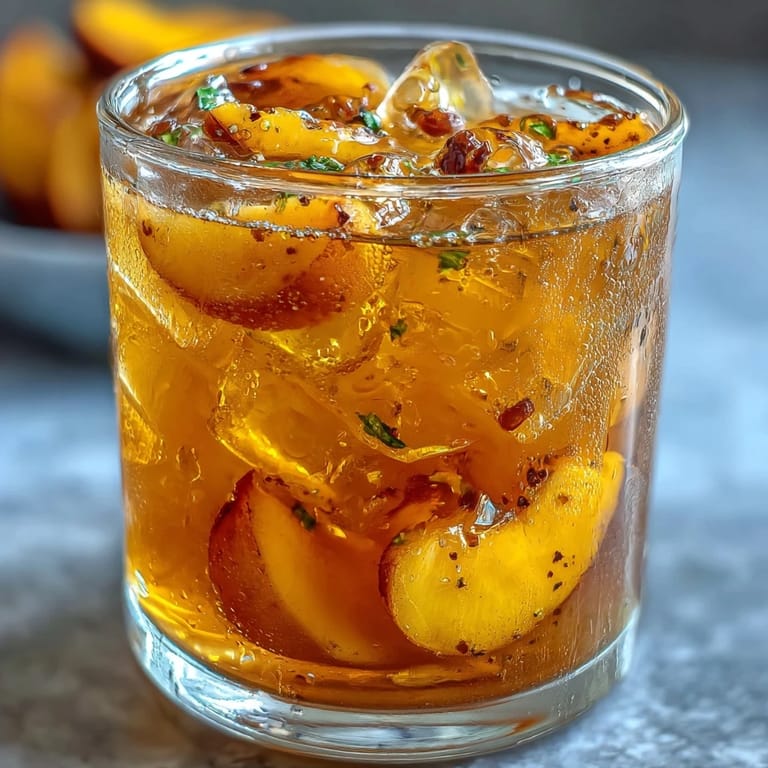
- Pour over fresh ice into glasses and top with a mango slice if you've got one, or a sprig of mint if you're feeling fancy. The drink will taste different at different temperatures, so don't judge it until it's properly cold.
 Save to Pinterest
 There's something about pouring this into a cold glass and watching the light come through it that feels like a small victory on a day when cooking feels pointless. It's the kind of drink that makes you feel like you made an effort without actually breaking a sweat.
The Mango Question: Fresh or Frozen
I've made this with both, and honestly, frozen mango has a secret advantage: it's already perfectly ripe when you buy it, no guessing games at the produce stand. Fresh mango tastes slightly brighter and smells incredible, but if you end up with a hard mango that ripens unevenly, frozen saves the whole recipe from tasting mediocre.
Why the Tea Matters More Than You'd Think
Using weak or instant tea will make this taste thin and one-dimensional, like you're drinking fancy mango water instead of an actual beverage. A proper steep creates a backbone that makes the mango pop instead of dominate, and suddenly you've got a drink with actual presence.
Making It Your Own
Once you nail the basic version, the variations are endless, and the beauty is that nothing breaks the recipe once you understand how it works. I've added lime juice when the mango tasted too sweet, muddled mint for a garden-party feel, and even stirred in a splash of coconut milk for a creamy version that worked surprisingly well.
- Swap green tea for black if you want something lighter and more delicate.
- A squeeze of lime or lemon juice sharpens everything up if the mango is particularly sweet.
- Add fresh mint or even basil leaves before serving for an unexpected herbal twist.
 Save to Pinterest
 This is the drink that taught me summer doesn't require complicated recipes, just good fruit and the patience to do one thing at a time. Every glass is proof that sometimes the simplest ideas, executed with a little care, end up being the ones people remember.
Common Recipe Questions
- → Can I make mango iced tea ahead of time?
Yes, you can prepare this mango iced tea up to 2 days in advance. Store it in an airtight container in the refrigerator. The flavors may actually intensify and meld better after sitting overnight.
- → Is frozen mango acceptable for this beverage?
Absolutely! Frozen mango works wonderfully and creates a smooth puree. Thaw slightly before simmering, or cook directly from frozen - just add an extra minute or two to the simmering time.
- → How can I reduce the sugar content?
The natural sweetness from ripe mango often eliminates the need for additional sweetener. Try omitting the honey initially and taste after combining the tea and mango puree. Add only if desired.
- → What other tea varieties work well?
Green tea creates a lighter, more delicate profile. Herbal teas like hibiscus or lemon verbena offer exciting flavor combinations. White tea provides subtle notes that complement mango beautifully.
- → Can this be served warm?
While designed as a cold beverage, you can certainly enjoy it warm. Skip the ice and serve immediately after combining the components. The warm version is particularly comforting during cooler months.