 Save to Pinterest
 My neighbor handed me a platter of vegetables at a summer potluck, and I watched her kids actually reach for the broccoli before the chips. When I asked what made the difference, she laughed and said it was the dip—this creamy, herb-forward Green Goddess situation that tasted like a garden decided to become something you could actually dunk things into. I've been making versions of it ever since, and it's become my secret weapon for getting vegetables to disappear at any gathering.
I made this for my daughter's school fundraiser, and honestly, I was nervous—would the vegetables wilt before anyone showed up? But they stayed crisp, the dip held its color, and parents kept coming back asking for the recipe, which felt like the ultimate compliment. Watching people's faces light up when they tasted it reminded me that simple food, when done thoughtfully, can be kind of magical.
Ingredients
- Baby carrots: Their natural sweetness pairs beautifully with the herbaceous dip, and they're already bite-sized, which young kids appreciate.
- Snap peas: These have a satisfying crunch and a hint of sweetness that makes them feel more like a treat than a vegetable.
- Cherry tomatoes: Halving them prevents them from rolling around and makes them easier to dip without making a mess.
- Cucumber slices: Cool and refreshing, they're the perfect vehicle for the dip if you want something light and hydrating.
- Broccoli and cauliflower florets: These are the real MVP vegetables here—they hold up structurally and have enough surface area to load up with dip.
- Yellow bell pepper: It adds color, sweetness, and a mild flavor that appeals to people who are nervous about vegetables.
- Radishes: They bring a peppery bite and a beautiful fuchsia color that makes the platter pop visually.
- Greek yogurt: This is the creamy base that keeps the dip from being too heavy; it's tangy enough to brighten everything without overpowering the herbs.
- Mayonnaise: A quarter cup gives richness without making the dip feel greasy or heavy.
- Fresh parsley, chives, tarragon, and basil: These herbs are where the magic lives—use fresh if you possibly can, as dried herbs will leave the dip tasting flat and dusty.
- Garlic clove: Just one, minced fine, adds depth without shouting over the delicate herbs.
- Anchovy fillets: They're optional, but if you use them, they dissolve into the dip and add an umami complexity that makes people say, 'I can't quite put my finger on what makes this so good.'
- Lemon juice: This keeps everything tasting bright and prevents the dip from tasting flat or one-dimensional.
- Dijon mustard: A teaspoon adds tang and helps emulsify the dip slightly, making it feel more luxurious.
Tired of Takeout? 🥡
Get 10 meals you can make faster than delivery arrives. Seriously.
One email. No spam. Unsubscribe anytime.
Instructions
- Prepare your vegetables with care:
- Wash everything under cold water and pat dry with paper towels so nothing's sitting in puddles. Cut and arrange as you go, working quickly so the vegetables don't have time to lose their crispness or color.
- Build the dip with intention:
- In a medium bowl, whisk the Greek yogurt and mayonnaise together first until smooth, then add all the herbs, garlic, and anchovy fillets one by one. This way, you can taste as you go and make sure nothing's overwhelming the others.
- Season to your taste:
- Add the lemon juice, Dijon mustard, salt, and pepper, and taste again. This is your moment to adjust—if it feels too mild, a pinch more salt or a squeeze more lemon can bring everything into focus.
- Compose your platter:
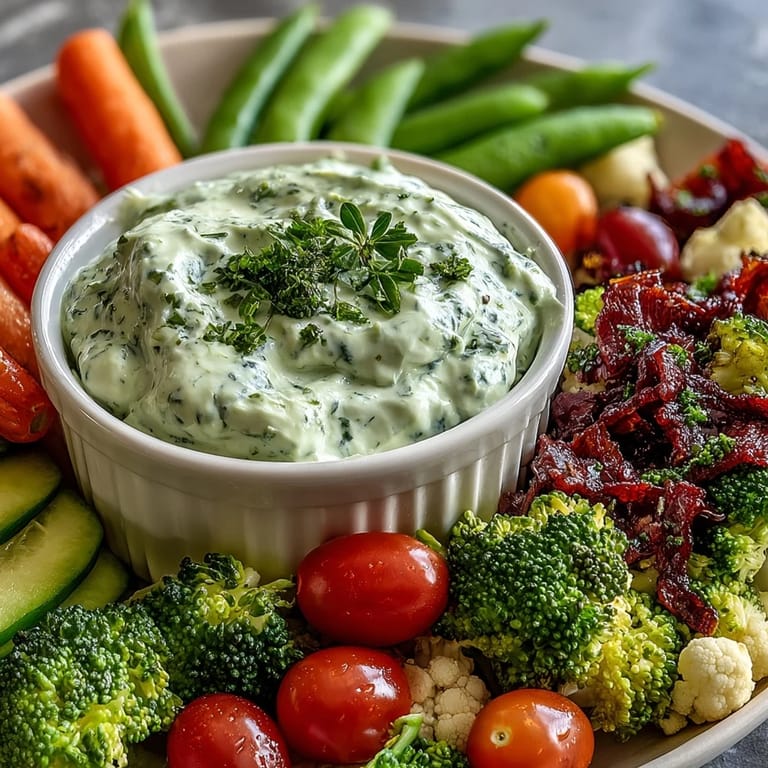
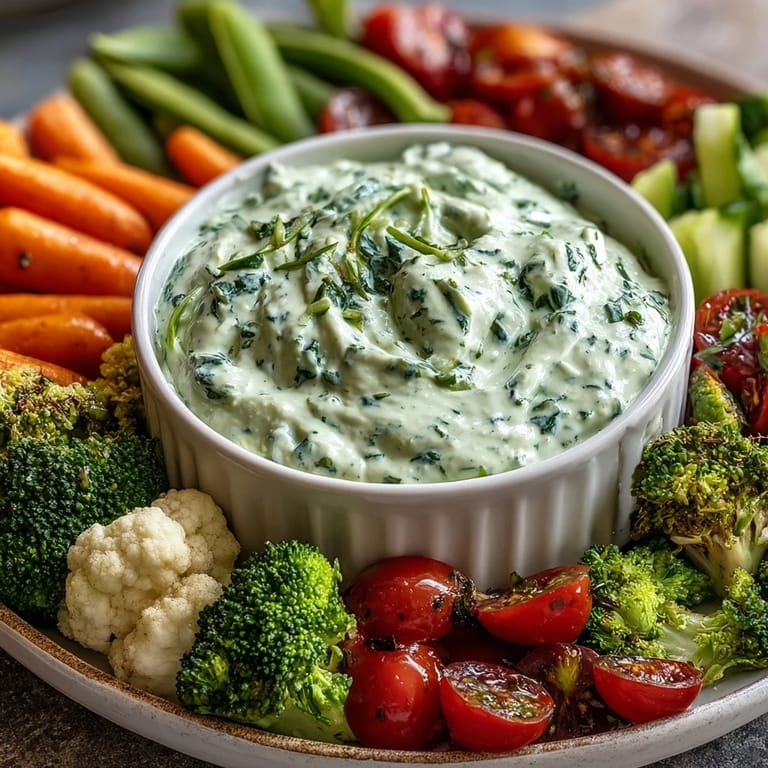
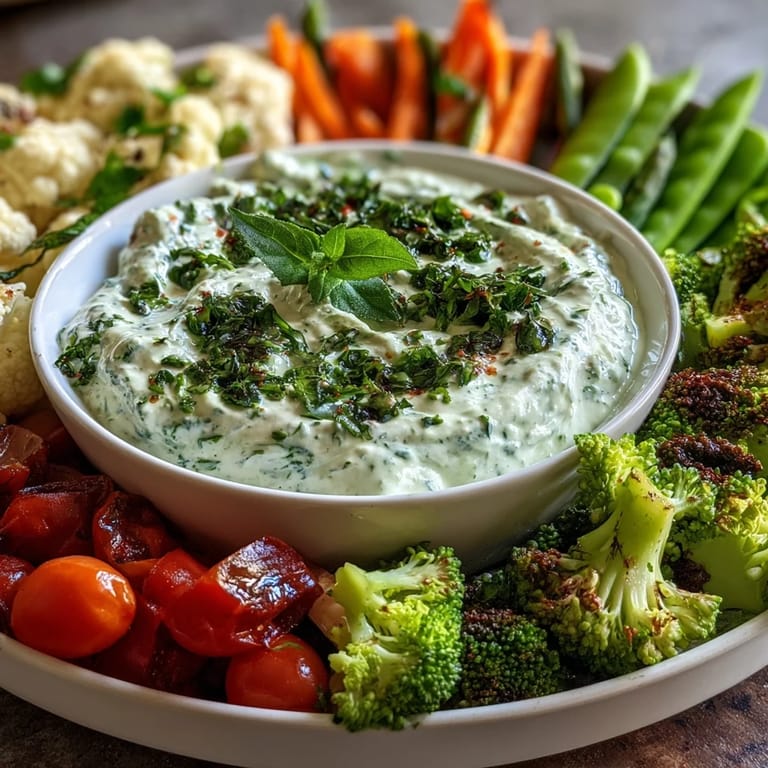
- Transfer the finished dip to a small serving bowl and nestle it in the center of a large platter, arranging the vegetables around it in a way that feels abundant and inviting. If you're not serving immediately, cover everything with plastic wrap and refrigerate until you need it.
 Save to Pinterest
 There's something about watching someone's expression shift from skepticism to genuine delight that reminds you why you cook. My son's friend looked at the platter like it was going to be a punishment, but one bite of the dip changed everything, and he ended up eating more vegetables that day than I'd seen in weeks.
The Case for Fresh Herbs
Dried herbs will absolutely not work here—I learned that lesson the hard way when I tried to save time during a busy week. The dip tasted bitter and dusty instead of vibrant and alive. Fresh herbs are worth the extra few minutes at the market because they're literally the entire point of this dip. If you can't find fresh tarragon, swap it for extra basil or add a tiny bit of dill; the substitution matters far less than the freshness factor.
Playing with Color and Texture
The visual appeal of this platter is almost as important as the taste. When you're arranging vegetables, think about alternating colors and shapes—soft broccoli next to sharp-edged cucumber slices, the bright yellow bell pepper beside purple radishes. A platter that looks thoughtfully arranged says, 'This mattered to me,' even though the actual effort was minimal. Grouping similar vegetables together creates natural sections that make the whole thing easier to eat, too.
Customization and Storage Secrets
This platter is one of those flexible recipes where you can substitute vegetables based on what's in season or what you have on hand. Green beans, asparagus tips, celery, bell pepper of any color—they all work beautifully. The dip actually gets better if you make it an hour or two ahead, giving the flavors time to meld and mature. Store both the vegetables and dip separately, covered, until you're ready to serve, and everything will stay fresh and crisp for several hours.
- If you're vegan, swap the Greek yogurt for cashew cream or silken tofu, and use vegan mayo instead.
- For extra richness, use sour cream instead of Greek yogurt, though you'll lose some of the tanginess.
- Leftover dip makes an excellent sandwich spread or dressing for grain bowls, so don't shy away from making extra.
 Save to Pinterest
 This platter has become my go-to solution for potlucks, parties, and those moments when I want to contribute something that feels effortless but thoughtful. It never fails to make people happy.
Common Recipe Questions
- → What vegetables work best for the platter?
Fresh, crisp vegetables like baby carrots, snap peas, cherry tomatoes, cucumbers, broccoli, cauliflower, bell peppers, and radishes create a colorful, textured assortment perfect for dipping.
- → How is the Green Goddess dip prepared?
The dip combines Greek yogurt, mayonnaise, fresh herbs like parsley, chives, tarragon, and basil, along with garlic, anchovies (optional), lemon juice, Dijon mustard, salt, and pepper whisked until smooth.
- → Can the dip be made vegan?
Yes, substituting Greek yogurt and mayonnaise with plant-based alternatives creates a vegan-friendly dip without sacrificing creaminess or flavor.
- → How should the platter be served and stored?
Arrange vegetables attractively on a large platter with the dip in the center. Serve immediately or cover and refrigerate until ready, keeping everything fresh.
- → What are good accompaniments for this veggie platter?
Pita chips, breadsticks, or crunchy crackers complement the veggie platter, adding variety and texture to each bite.
- → Are anchovies essential in the dip?
Anchovies provide classic umami depth but can be omitted for a milder or vegetarian-friendly version without losing herbaceous flavor.