 Save to Pinterest
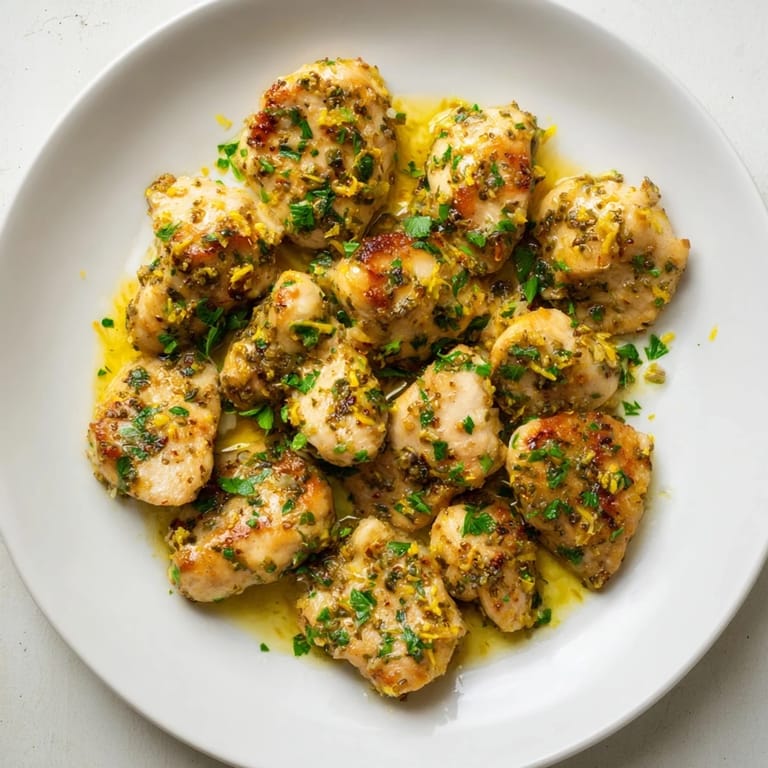
 There's something about the smell of lemon hitting a hot pan that makes me stand a little straighter in the kitchen. I discovered this chicken during a weeknight when I had nothing but chicken breasts, half a lemon, and the vague memory of a restaurant dish I'd enjoyed. Twenty minutes later, I was eating something so bright and buttery that I couldn't believe how simple it was. That night taught me that the best meals don't require complicated techniques, just the confidence to let good ingredients speak for themselves.
I made this for my sister one evening when she was stressed about her new job, and I remember her eyes lighting up when she took that first bite. She asked for the recipe immediately, and I realized then that food has this quiet power to shift someone's mood. Now whenever she mentions having a rough day, I know exactly what I'm cooking.
Ingredients
- Boneless, skinless chicken breasts (4, about 150-180g each): Pound them gently to even thickness if they're thicker in one spot, so they cook at the same rate and stay tender throughout.
- Salt and freshly ground black pepper: Don't use pre-ground pepper if you can help it; the fresher grind makes a noticeable difference in the final flavor.
- All-purpose flour (1/2 cup): This creates a light golden crust that holds the sauce without making things heavy, and you can absolutely use gluten-free flour here without any loss.
- Olive oil (2 tbsp): Medium heat is your friend here; high heat will burn it before the chicken finishes cooking.
- Unsalted butter (3 tbsp): The butter is where the magic lives, so use good quality butter if you have it, and never skip this step.
- Garlic (2 cloves, minced): Mince it just before you need it so it's at its most pungent and aromatic.
- Lemon zest and juice (1 large lemon): Zest the lemon before cutting it, and use fresh lemon juice, never the bottled stuff, because that's where the sauce gets its personality.
- Fresh parsley (2 tbsp, chopped): This is optional but it adds a fresh finish that feels more intentional than leaving it off.
Tired of Takeout? 🥡
Get 10 meals you can make faster than delivery arrives. Seriously.
One email. No spam. Unsubscribe anytime.
Instructions
- Pat and season the chicken:
- Pat each breast dry with paper towels, which removes moisture so they'll brown instead of steam. Season generously on both sides with salt and pepper, letting the seasonings sit for a moment to really stick.
- Coat lightly in flour:
- Dredge each breast in flour and shake off the excess, aiming for a light, even coat. Too much flour makes things pasty; just enough creates a delicate crust.
- Sear until golden:
- Heat oil over medium-high heat until it shimmers, then lay chicken in the pan. Resist the urge to move them around, letting them sit for 5-6 minutes per side until they're deeply golden and cooked through to 74°C/165°F.
- Build the sauce:
- Reduce heat to medium, add butter to the same pan, and let it melt gently. Stir in minced garlic for about 30 seconds until the kitchen smells incredible, then add lemon zest, juice, and pepper.
- Bring it together:
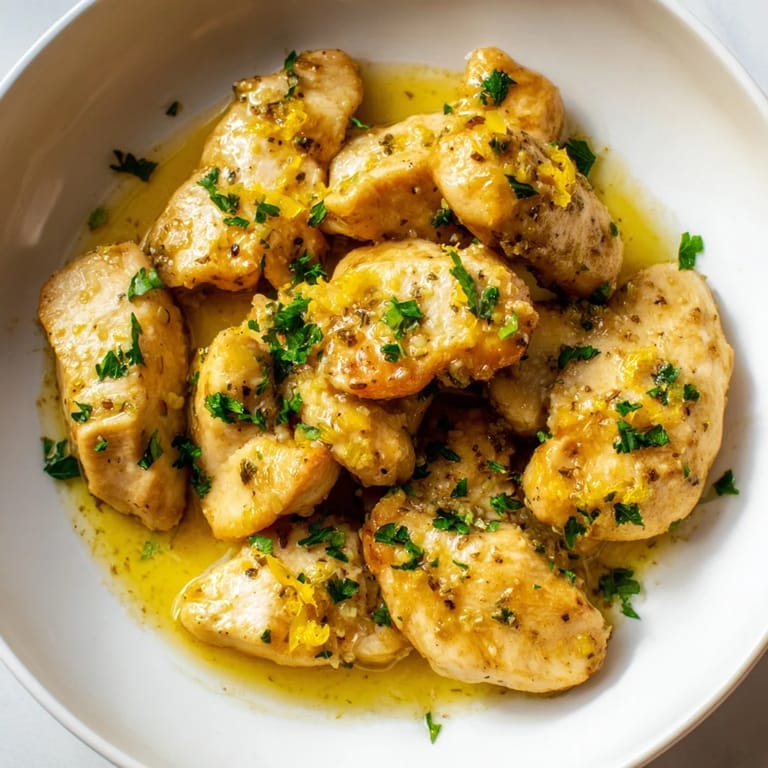
- Simmer the sauce for 1-2 minutes, using a wooden spoon to scrape up the browned bits stuck to the pan bottom, which are liquid gold. Return chicken to the pan, spoon sauce over each breast, and warm everything together for 1-2 minutes.
- Finish and serve:
- Scatter fresh parsley over the top if you have it, and serve immediately while everything's still hot and the sauce is glossy and bright.
 Save to Pinterest
 There was a moment during that cooking session with my sister when the steam from the pan caught the afternoon light, and she was laughing about something while I was stirring sauce, and it hit me that this is what cooking really is. Not about perfection or complexity, but about creating something warm and flavorful to share with someone you care about.
The Science of the Sear
That golden crust on the chicken isn't just for looks; it's the Maillard reaction happening in real time, which is what creates depth and richness in the finished dish. When you let the chicken sit undisturbed in the hot oil, you're giving that chemical reaction time to do its work, building flavor complexity that seasoning alone can't create. This is why patience in the skillet pays dividends on the plate.
Why Lemon and Pepper Work So Well Together
Lemon brings brightness and acidity that cuts through the richness of butter and chicken, while pepper adds a subtle warmth and spice that keeps things from feeling one-dimensional. Together, they create this beautiful balance where neither one overshadows the other, and the whole thing feels greater than the sum of its parts. It's the kind of pairing that teaches you something about how flavors work if you pay attention.
Serving and Variations
This chicken works beautifully alongside rice, mashed potatoes, or a simple green salad, depending on what you're in the mood for. I've spooned it over pasta and it was equally good, and one time I shredded the leftovers and made sandwiches that were honestly better than the original meal. This is the kind of recipe that feels like a solid foundation for whatever direction your appetite is pulling you.
- Add a pinch of red pepper flakes to the sauce if you want a subtle heat that builds as you eat.
- Chicken thighs work beautifully here too and stay even juicier, though they need an extra 2-3 minutes per side.
- Leftovers keep in the fridge for three days and reheat gently in a low oven wrapped in foil to preserve the moisture.
 Save to Pinterest
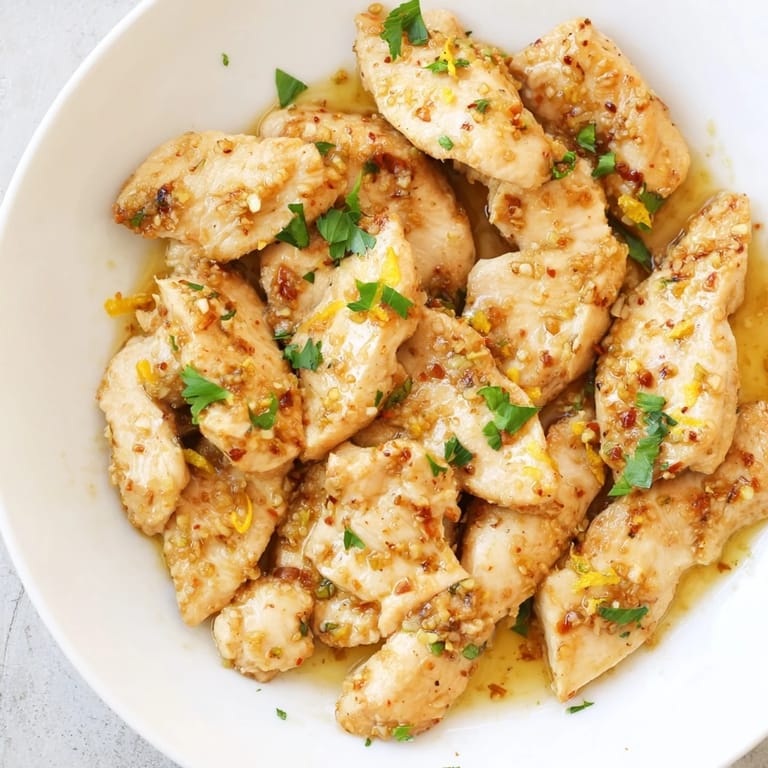
 This recipe is proof that sometimes the best meals come from having less rather than more, and the confidence to trust that simplicity can be stunning. Keep this one close for the nights when you want something nourishing and delicious without spending hours in the kitchen.
Common Recipe Questions
- → What type of chicken cuts work best?
Boneless, skinless chicken breasts are ideal for even cooking and quick preparation, but thighs can be used with adjusted cooking time.
- → Can I use a different fat instead of butter?
Butter is key for the sauce’s rich flavor, but olive oil or a butter substitute can be used if needed, though the taste will vary.
- → How do I prevent the chicken from drying out?
Patting the chicken dry and cooking it over medium-high heat until just cooked ensures juiciness. Avoid overcooking and keep it covered after searing.
- → What sides complement this dish well?
Rice, mashed potatoes, or a fresh green salad balance the lemony richness and make a complete meal.
- → Is it important to use fresh lemon for this sauce?
Fresh lemon juice and zest provide a bright, natural flavor essential to the sauce’s vibrant character.