 Save to Pinterest
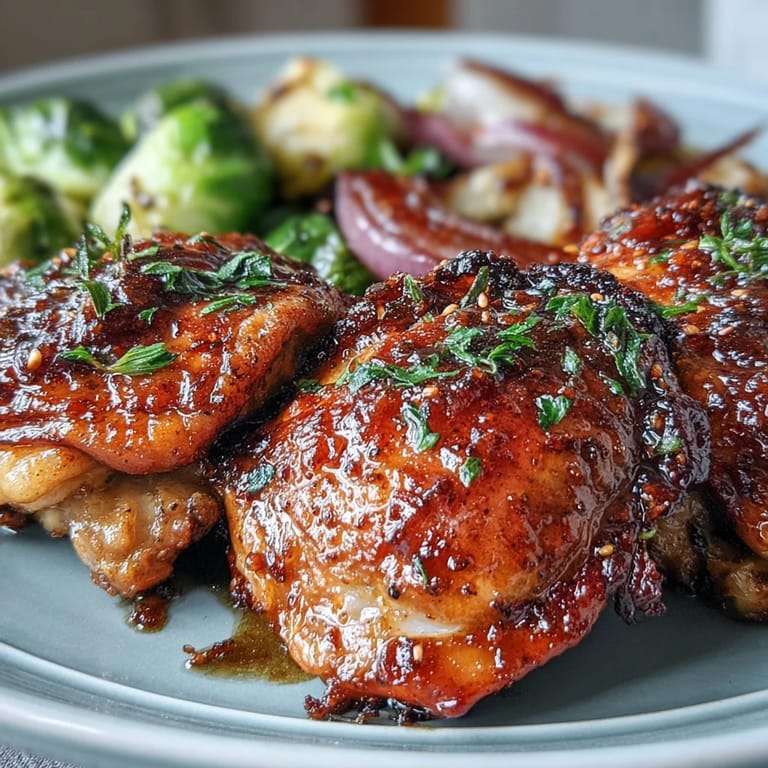
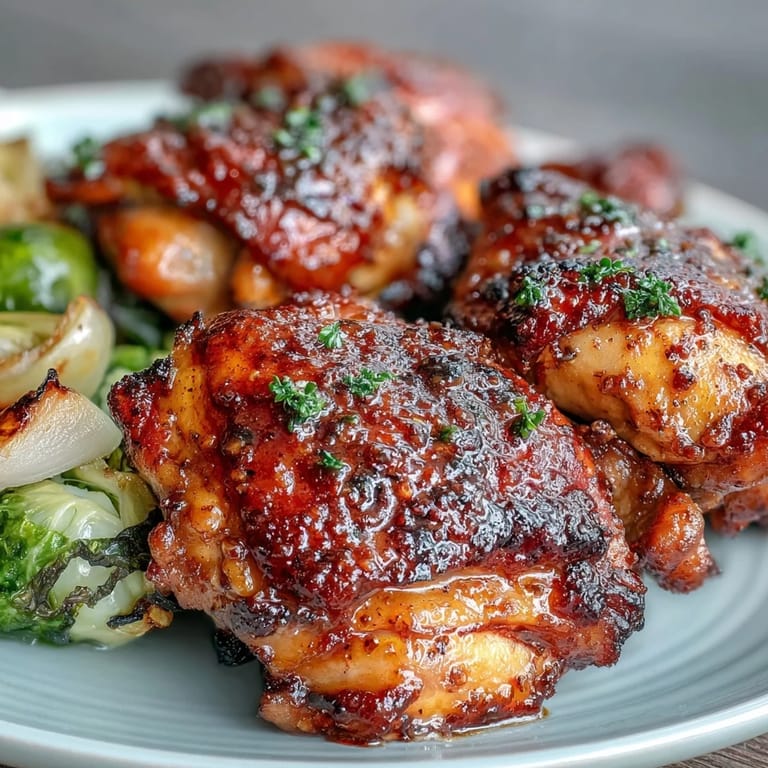
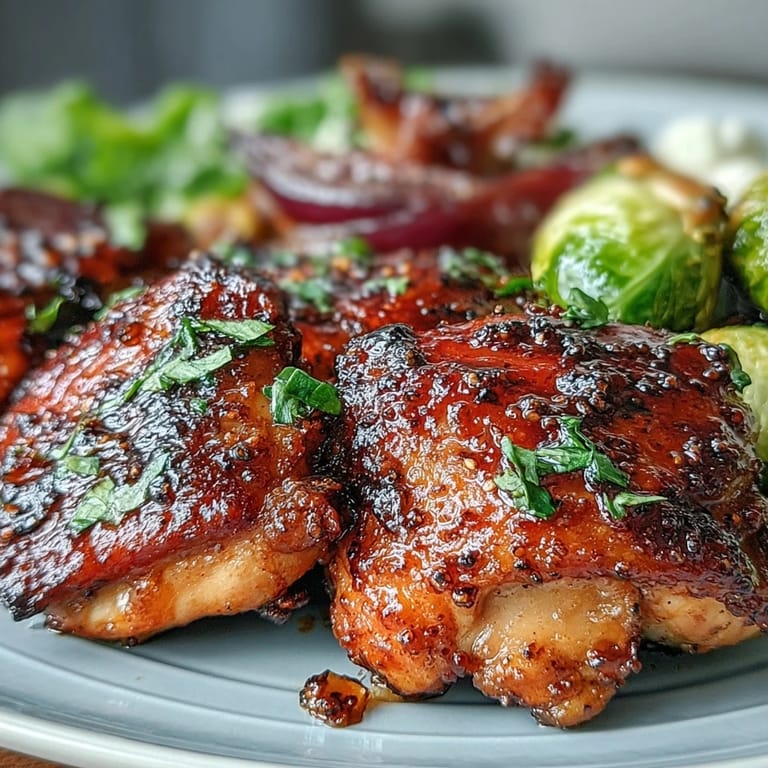
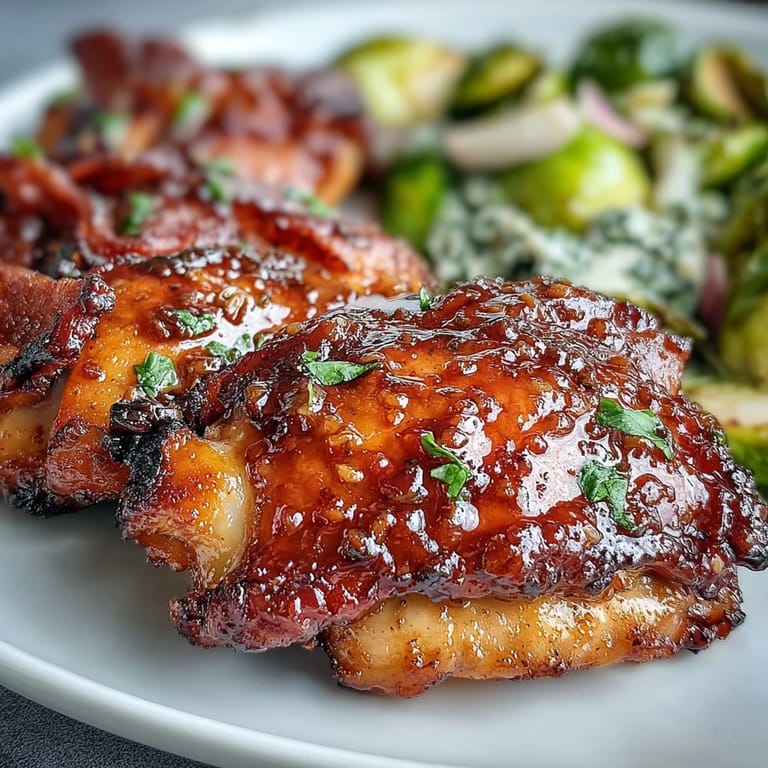
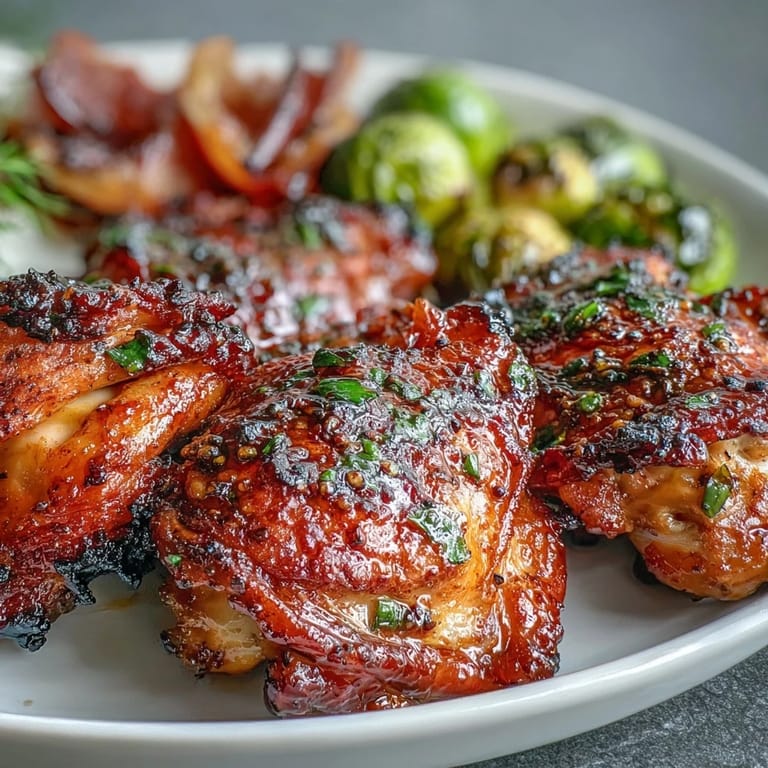
 There's something about a sheet pan dinner that makes a weeknight feel less like an obligation and more like a small victory. I discovered this honey mustard chicken combination on a Tuesday when I was determined to avoid the usual rotation, and honestly, it's become the dish I return to whenever I need something that tastes restaurant-quality but won't keep me in the kitchen for hours. The Brussels sprouts caramelize into these little gems of sweet and savory, while the chicken stays impossibly juicy under that tangy-sweet glaze. It's the kind of meal that makes people ask for the recipe before they've even finished eating.
I made this for my sister's family last spring, and watching her eight-year-old ask for seconds of Brussels sprouts was the moment I knew this recipe was a keeper. My brother-in-law, who's usually skeptical about anything green on his plate, actually complimented the caramelization. There's something quietly satisfying about a dish that gets genuine appreciation without feeling fussy.
Ingredients
- Boneless, skinless chicken thighs: These are your insurance policy against dry chicken because they have enough fat to stay juicy even if you're a few minutes over on cooking time.
- Dijon mustard and whole grain mustard: The combination gives you sophistication from the Dijon and texture from the whole grain, creating a glaze that's interesting rather than one-note.
- Honey: This balances the sharpness of the mustard and vinegar, but don't be tempted to add more or the glaze becomes cloying.
- Brussels sprouts: Look for smaller, tighter heads if you can, as they caramelize more evenly and have better flavor than the enormous ones.
- Apple cider vinegar: The acid is essential here, cutting through the richness and adding brightness that makes people pause and wonder what they're tasting.
- Smoked paprika: Just a quarter teaspoon, but it adds a whisper of depth that elevates the whole dish without announcing itself.
Tired of Takeout? 🥡
Get 10 meals you can make faster than delivery arrives. Seriously.
One email. No spam. Unsubscribe anytime.
Instructions
- Heat your oven and prepare:
- Get the oven to 220°C and line your sheet pan while it preheats. This small step prevents sticking and makes cleanup feel like less of a burden later.
- Whisk the glaze together:
- Combine your mustards, honey, garlic, vinegar, and paprika in a small bowl. The glaze should smell bright and a little sharp, which means you're on the right track.
- Season and coat the chicken:
- Pat the chicken thighs completely dry, then toss them with oil, salt, and pepper before adding half the glaze. Dry chicken is crucial for browning, so don't skip this step even though it feels fussy.
- Arrange your vegetables:
- Toss the Brussels sprouts and red onion with olive oil and seasonings, then spread them across the sheet pan, leaving space for the chicken in the middle. The onion wedges will soften and caramelize alongside everything else.
- Nestle the chicken among the vegetables:
- Place each glazed thigh on the sheet pan, allowing the vegetables to stay somewhat in a layer beneath and around them. This setup lets the vegetables catch drippings and caramelize while the chicken roasts undisturbed.
- Roast until golden:
- Pop everything in the oven for 25 to 30 minutes, checking that the internal temperature reaches 74°C. Your kitchen will start smelling like a restaurant around the 20-minute mark, which is when you know things are happening.
- Add the final glaze:
- In the last 5 minutes, brush the chicken with that reserved glaze, which gives it a beautiful glossy finish and intensifies the flavor just before serving.
- Rest and serve:
- Let everything rest for a few minutes after it comes out of the oven, which helps the juices redistribute and makes the chicken even more tender.
 Save to Pinterest
  Save to Pinterest
 There was an evening when a friend stopped by unexpectedly around dinnertime, and I realized I had exactly these ingredients in my kitchen. Forty-five minutes later, we were sitting down to a meal that tasted deliberate and considered, not thrown together. That's when a recipe stops being just instructions and becomes something you trust.
Why Sheet Pan Dinners Changed My Cooking
There's real magic in limitations, and a single sheet pan forces you to think about balance. Everything cooks at roughly the same temperature and pace, which means you're not juggling multiple timers or worrying about components finishing at different times. Once I embraced this constraint, my weeknight cooking became less stressful and somehow more creative. The key is choosing ingredients that actually want to spend time together in an oven, and this combination proves that chicken, vegetables, and glaze are a genuinely compatible team.
The Secret of Caramelization
Caramelization isn't magic, it's just physics and patience working together. The Brussels sprouts need enough oil to brown properly, but not so much that they stew in their own moisture. I learned this through a few failed attempts where I either used too little oil or cut them too small, and now I'm almost religious about halving them consistently and giving them plenty of space on the pan. When they're done right, each one has a crispy exterior and a tender, almost sweet interior that tastes nothing like the Brussels sprouts people pretend to hate.
Variations and Flexibility
This recipe is forgiving in ways that make it genuinely useful for real life. I've made it with chicken breasts when thighs weren't available, though I reduced the cooking time slightly since breasts cook faster. I've added baby potatoes tossed with the vegetables, creating an even more substantial dinner that still cooks in roughly the same timeframe. The glaze is also flexible enough to accommodate your preferences, so if you prefer more honey or more mustard, adjust accordingly without guilt.
- Try adding baby potatoes or carrots for a heartier, more colorful sheet pan dinner.
- Swap the red onion for shallots if you prefer a milder, sweeter flavor.
- Finish with fresh parsley or a squeeze of lemon zest to add brightness right before serving.
 Save to Pinterest
  Save to Pinterest
 This is the kind of dish that quietly becomes a regular in your rotation, not because it's complicated or impressive, but because it works. It's reliable enough for a Tuesday and delicious enough for when people matter.
Common Recipe Questions
- → Can I use chicken breasts instead of thighs?
Yes, boneless chicken breasts work well. Reduce the cooking time to 20-25 minutes and check for internal temperature of 165°F (74°C) to prevent drying out.
- → What vegetables can I add or substitute?
Baby potatoes, carrots, or sweet potatoes make excellent additions. You can also replace Brussels sprouts with broccoli florets or green beans if preferred.
- → How do I store leftovers?
Store cooled leftovers in an airtight container in the refrigerator for up to 3 days. Reheat in a 350°F oven for 10-15 minutes until warmed through.
- → Can I make the glaze ahead of time?
Absolutely. Mix the honey mustard glaze up to 3 days in advance and store it in a sealed container in the refrigerator. Bring to room temperature before using.
- → Is this dish gluten-free?
Yes, this dish is naturally gluten-free. Always double-check your mustard brands and apple cider vinegar to ensure they're certified gluten-free if you have severe sensitivities.
- → What temperature should the chicken reach?
The chicken is safely cooked when it reaches an internal temperature of 165°F (74°C) measured with a meat thermometer inserted into the thickest part.