 Save to Pinterest
 There's something about the smell of lemon zest that pulls me straight back to my mum's kitchen on a grey afternoon, when she'd decide on a whim that we needed something bright and hopeful. This lemon drizzle loaf became my answer to those moments—it bakes while you're doing other things, fills your home with that citrus warmth, and arrives at the table looking effortlessly elegant. The magic happens when you poke those little holes while it's still warm and let the glaze seep in, creating pockets of tangy sweetness that feel almost luxurious for something so simple.
I baked this for my neighbor last spring when she mentioned offhand that she was feeling stuck in a rut with her baking routine. She came over to collect it still warm, wrapped in brown paper, and the following week she showed up with her own version, tweaked with a touch of poppy seed and a grin. That's when I knew it had become the kind of recipe that travels—simple enough to feel achievable, impressive enough to feel like a gift.
Ingredients
- Unsalted butter, 200 g: The foundation of everything tender and rich—softening it properly means the sugar will cream to pale clouds, trapping air that makes the cake light.
- Caster sugar, 200 g: Finer than granulated, it dissolves faster and creates a more delicate crumb; don't skip this small detail.
- Large eggs, 3: Room temperature is honestly crucial here, as cold eggs don't incorporate smoothly and can make the batter split.
- Fresh lemon zest, 1 tbsp: Grate it just before you start so the oils stay bright and alive, not faded from sitting around.
- Self-raising flour, 200 g: This already contains leavening agents, so you're not fighting the chemistry—just let it do its job.
- Baking powder, 1/2 tsp: A tiny boost to lift the cake and keep it tender.
- Salt, 1/4 tsp: A whisper of it deepens the lemon flavor and balances the sweetness.
- Whole milk, 3 tbsp: Adds moisture without making the cake heavy or dense.
- Fresh lemon juice, 2 tbsp: Squeezed from real lemons, not the bottled kind—the difference is worth the extra thirty seconds.
- Icing sugar, 80 g: For the drizzle, it dissolves into the lemon juice to create a glossy glaze that sets soft, not rock hard.
- Fresh lemon juice, 3 tbsp: Again, freshly squeezed is your friend for that vibrant, living flavor.
Tired of Takeout? 🥡
Get 10 meals you can make faster than delivery arrives. Seriously.
One email. No spam. Unsubscribe anytime.
Instructions
- Get your oven ready and prepare the tin:
- Preheat to 180°C (350°F) while you line a 900g loaf tin with baking parchment, letting it hang over the sides so you can lift the finished cake out easily. This takes two minutes and saves you from wrestling with a hot cake later.
- Cream butter and sugar into clouds:
- Beat them together for three to four minutes until the mixture is pale, fluffy, and noticeably lighter in color and texture—this is where you trap the air that makes the cake rise. You'll know it's ready when it looks almost mousse-like.
- Add eggs one at a time, gently:
- Crack one egg in, mix until it's fully incorporated, then repeat with the next two; rushing this step can cause the batter to curdle and separate. Once all three are in, stir through that bright lemon zest so every bite carries those little flecks of flavor.
- Fold in the flour and raising agents:
- Sift the flour, baking powder, and salt over the batter, then use a spatula to fold everything together slowly and deliberately, stirring only until you can't see streaks of flour anymore. Overmixing toughens the crumb, so be gentle here.
- Finish with milk and lemon juice:
- Stir these in until the batter is smooth and pourable, then pour it into your tin and smooth the top with the back of a spatula so it bakes evenly.
- Bake until golden and set:
- Slide it into the oven for 45 to 50 minutes—the top should be deep golden and a skewer poked into the center should come out clean with no raw batter clinging to it. Every oven runs a little different, so start checking around the 45-minute mark.
- Mix the glaze while the cake bakes:
- Whisk together the icing sugar and lemon juice until you have a pourable consistency—it should coat the back of a spoon without running off like water. Set it aside and let it sit for a moment so the sugar fully dissolves.
- Glaze while warm, then cool completely:
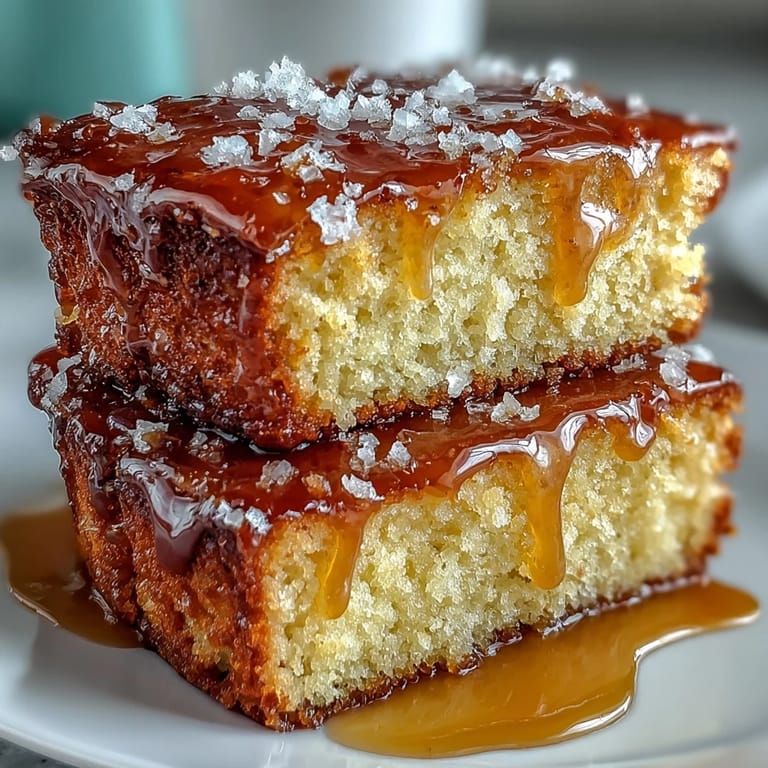
- Remove the cake from the oven and let it sit in the tin for ten minutes (this lets it firm up just enough to handle the glaze). Use a skewer to poke holes all over the top, then slowly drizzle the glaze over so it seeps in and soaks those warm sponge holes. Leave it to cool fully in the tin—this usually takes an hour or so—then turn it out onto a wire rack.
 Save to Pinterest
 My partner surprised me once by taking a slice to work and his coworker actually asked for the recipe—a proper request, not just politeness. When someone stops what they're doing to ask how you made something, that's when you know you've landed on something worth keeping in your regular rotation.
When to Serve It
This cake is best sliced the day after baking, when the crumb has set and the glaze has firmed slightly, creating that perfect contrast of tender cake and tangy shell. It keeps well in an airtight container for three or four days, though honestly it rarely lasts that long. Spring afternoons, summer picnics, or that moment when someone stops by unexpectedly and you want to offer something homemade—this cake fits all of those perfectly.
Variations to Explore
Once you've made this once or twice, it becomes a canvas for gentle experimenting. A handful of poppy seeds stirred through the batter adds a subtle nuttiness and a lovely speckled look, while a splash of limoncello in the glaze transforms it into something a bit more grown-up and sophisticated.
Serving Suggestions and Final Thoughts
Slice it thick and serve plain, or dress it up with a dollop of whipped cream and some fresh berries if you want to make an occasion of it. This is the kind of cake that tastes just as good at breakfast with a cup of coffee as it does at the end of dinner with a glass of something cold.
- A thin slice pairs beautifully with a cup of Earl Grey tea on a quiet morning.
- If you're making it for guests, bake it the day before so you're not rushing on the day, and store it in an airtight container to keep the crumb moist.
- Wrap a slice in greaseproof paper and tuck it into a lunchbox or picnic basket—it's sturdy enough to travel and bright enough to lift an ordinary day.
 Save to Pinterest
 This cake has become one of those recipes I come back to again and again, partly because it never fails and partly because it feels like sharing something kind. Bake it once and it becomes yours—something you'll reach for when you want to brighten someone's day.
Common Recipe Questions
- → What gives the loaf its lemon flavor?
The lemon zest and freshly squeezed lemon juice in the batter and glaze provide the bright, zesty citrus notes throughout the loaf.
- → How do I achieve a moist texture?
Using softened butter, eggs at room temperature, and milk ensures a tender and moist crumb in the baked loaf.
- → Can I add any ingredients for texture?
Adding a handful of poppy seeds to the batter creates a pleasant slight crunch without overpowering the lemon flavor.
- → How is the lemon glaze applied?
After baking, poke holes on the warm loaf’s surface with a skewer, then slowly drizzle the lemon glaze to soak in and add tangy sweetness.
- → Any serving suggestions for extra flavor?
Serve the loaf with fresh berries or a dollop of whipped cream to complement its bright citrus character.