 Save to Pinterest
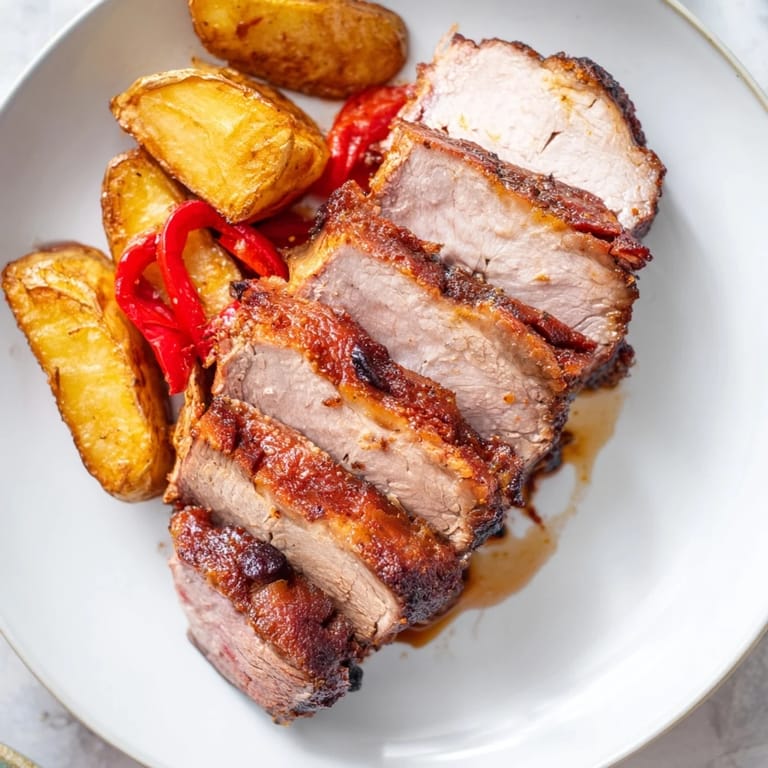
 The smell of smoked paprika and garlic hit me the moment I opened the fridge that morning, and I knew the pork had been soaking up every bit of flavor overnight. I'd bought the Ibérico fillet on a whim at the market, seduced by the butcher's promise that it would melt in your mouth if treated right. Marinating it felt like an act of faith—trusting that a few humble ingredients could transform something already good into something unforgettable. When I finally seared it the next evening, the kitchen filled with a scent so rich it felt like I'd invited half of Andalusia inside. That first slice, blushing pink in the center, justified every minute of waiting.
I made this for my in-laws on a rainy Sunday, nervous because they'd just returned from a trip to Spain and had eaten their way through every tapas bar in Seville. I watched my father-in-law take his first bite, saw him close his eyes for a second, and then heard him say it tasted like the little restaurant near the Alcázar. My mother-in-law asked for the recipe before dessert even arrived. That night, I realized this dish had earned its place in my rotation—not just because it was delicious, but because it had the kind of soul that made people remember where they were when they ate it.
Ingredients
- Ibérico pork fillet: This is the star, prized for its marbling and nutty sweetness; if you can't find it, a good quality pork tenderloin works, though it won't have quite the same luxurious texture.
- Extra virgin olive oil: Use a fruity Spanish variety if possible—it carries the marinade and adds its own grassy notes that complement the pork beautifully.
- Garlic: Minced fine so it melts into the marinade and perfumes the meat without overpowering it; fresh is non-negotiable here.
- Fresh rosemary: Chop it finely to release its oils, and make sure it's fresh—dried rosemary turns woody and bitter in a marinade like this.
- Smoked paprika (pimentón): The soul of Spanish cooking, it gives the pork a gentle smokiness that tastes like it's been kissed by a wood fire.
- Lemon zest and juice: Brightness and acidity cut through the richness of the pork and help tenderize the meat overnight.
- New potatoes: Their thin skins crisp up beautifully in the oven, and their creamy interiors soak up all the paprika and thyme.
- Fresh thyme: A subtle herbal note that makes the potatoes taste like they've been roasting in a farmhouse kitchen for hours.
- Red bell peppers: Roasting them slowly coaxes out their natural sugars, turning them jammy and almost sweet.
- Sea salt and black pepper: Season generously and taste as you go—good seasoning is what makes the difference between nice and remarkable.
Tired of Takeout? 🥡
Get 10 meals you can make faster than delivery arrives. Seriously.
One email. No spam. Unsubscribe anytime.
Instructions
- Marinate the Pork:
- Whisk together the olive oil, garlic, rosemary, smoked paprika, lemon zest, lemon juice, salt, and pepper until it smells like a Spanish summer. Rub the mixture all over the pork fillet, making sure every inch is coated, then cover tightly and let it rest in the fridge overnight so the flavors sink deep into the meat.
- Prepare the Oven:
- Crank your oven to 220°C (425°F) and let it get properly hot—this high heat is what gives the potatoes their crispy edges and caramelizes the peppers. Don't skip the preheat or everything will steam instead of roast.
- Roast the Potatoes:
- Toss the quartered potatoes with olive oil, salt, pepper, smoked paprika, and thyme until they glisten, then spread them out on a baking tray in a single layer. Roast for 35 to 40 minutes, giving them a good stir halfway through so they brown evenly and develop that addictive crunch.
- Roast the Red Peppers:
- On a separate tray, toss the pepper strips with olive oil, sliced garlic, and a pinch of salt, then roast for 20 to 25 minutes until they're tender and their edges start to char. The garlic will turn golden and sweet, perfuming the peppers with a gentle warmth.
- Cook the Pork:
- Take the pork out of the marinade and pat it dry with paper towels so it sears instead of steams. Heat a tablespoon of olive oil in an ovenproof skillet over medium-high heat until it shimmers, then sear the fillet for 2 to 3 minutes per side until it's deeply browned, and transfer the whole skillet to the oven to roast for 12 to 15 minutes until it reaches 63°C (145°F) inside—then let it rest for 5 minutes so the juices settle.
- Serve:
- Slice the pork into thick medallions and arrange them on warm plates alongside the golden potatoes and soft, sweet peppers. Spoon any pan juices over the top for an extra hit of flavor.
 Save to Pinterest
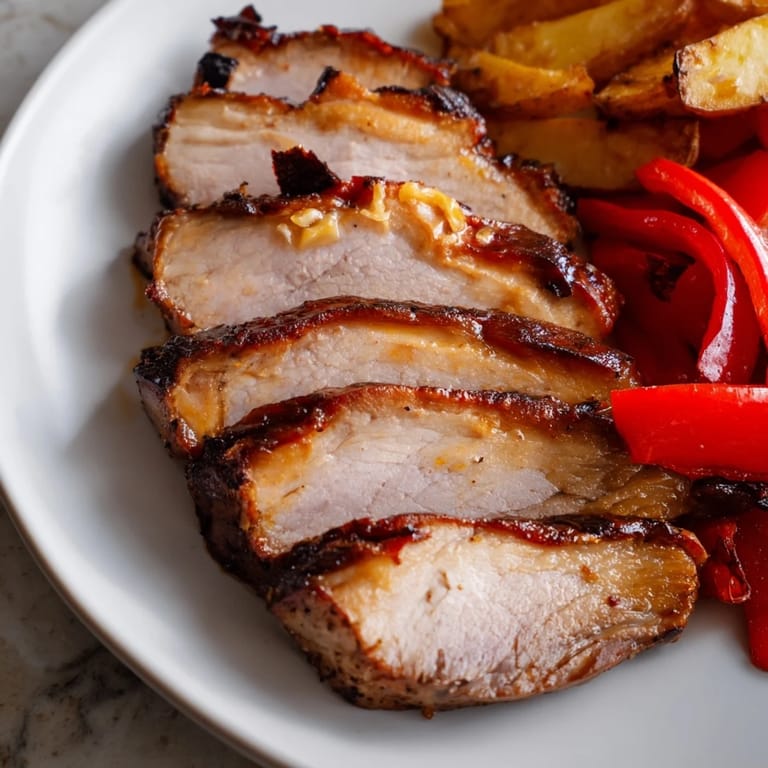
 The first time I plated this dish, I stood back and just looked at it for a moment—the rosy slices of pork, the burnished potatoes, the glossy red peppers catching the light. It felt like the kind of meal you'd be served in a whitewashed Spanish villa with the windows open and the evening light pouring in. My friend took a photo before she even picked up her fork, but then we all forgot about our phones and just ate, passing the wine and soaking up every last bit of juice with crusty bread. That's when I knew this recipe wasn't just dinner—it was the kind of thing that turns a regular Thursday into a memory.
Choosing Your Pork
Ibérico pork is worth seeking out if you can find it—it has a deep, almost nutty flavor and a tenderness that comes from the acorn-rich diet of the pigs. If it's not available, don't stress; a good quality pork tenderloin will still give you a beautiful result, though it may cook a few minutes faster because it's usually leaner. Look for meat that's pale pink with a little marbling, and avoid anything that looks dry or has a grayish tinge. The butcher at my local market always says that if the pork smells faintly sweet and clean, it's fresh enough to treat well. Trust your nose, and don't be afraid to ask questions—good butchers love talking about their cuts.
Getting the Potatoes Just Right
The secret to crispy roast potatoes is space and heat—crowding them on the tray traps steam and turns them soggy, so spread them out generously and use two trays if you need to. I like to give them a vigorous toss halfway through roasting, flipping any pale sides up so they get their turn in the heat. If your oven runs cool, bump the temperature up by 10 degrees and keep an eye on them; the goal is golden, craggy edges and a fluffy interior that crumbles when you break one open. A sprinkle of flaky sea salt right before serving adds a final touch that makes them irresistible. Sometimes I'll toss in a few whole garlic cloves with their skins on—they turn soft and sweet and can be squeezed out onto your plate like butter.
Serving and Pairing Suggestions
This dish doesn't need much to complete it, but a handful of fresh parsley or a squeeze of lemon over the pork just before serving adds a bright, fresh note that cuts through the richness. I love serving it with a simple green salad dressed in sherry vinegar and olive oil, or sometimes a bowl of garlicky spinach if I'm feeling generous. For wine, reach for a Spanish Rioja or a Ribera del Duero—something with enough body to stand up to the smoky paprika and the richness of the pork. If you're feeding a crowd, this scales up beautifully; just use two skillets for the pork or sear it in batches.
- Leftovers make incredible sandwiches the next day, piled onto crusty bread with a smear of aioli and a handful of arugula.
- The roasted peppers can be made ahead and reheated gently, which is a lifesaver if you're trying to time everything perfectly.
- If you have any pan juices left, save them—they're liquid gold stirred into rice or drizzled over vegetables.
 Save to Pinterest
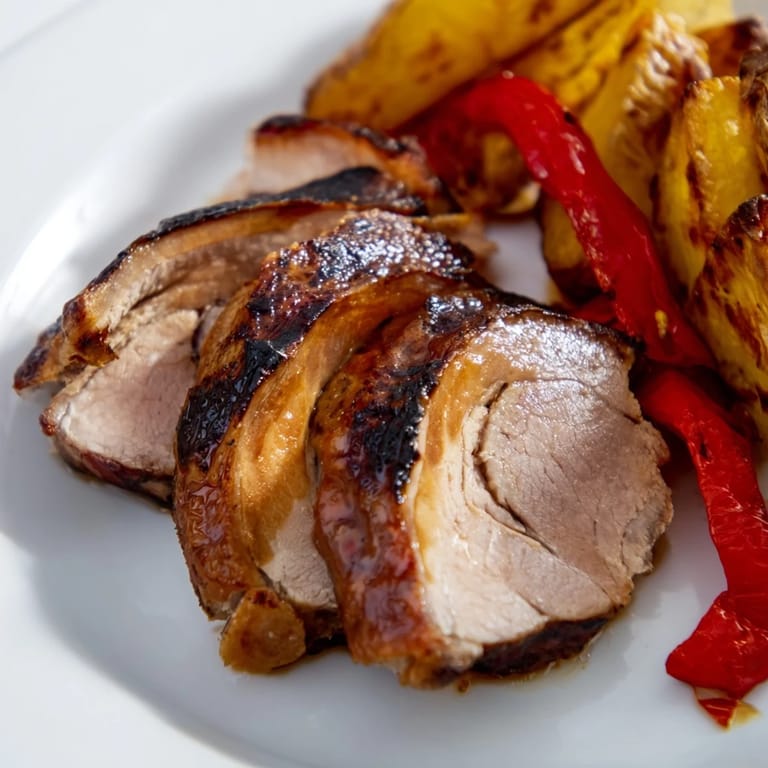
 This is the kind of recipe that makes you feel like a better cook than you actually are, which is exactly the kind of recipe everyone needs in their back pocket. Serve it with confidence, pour the wine, and let the pork do the talking.
Common Recipe Questions
- → How long should the pork marinate?
The pork should marinate for a minimum of 8 hours, preferably overnight. This allows the flavors of garlic, rosemary, and smoked paprika to fully penetrate the meat, resulting in a more flavorful and tender dish.
- → What temperature should the pork reach when cooked?
The internal temperature should reach 63°C (145°F) for medium doneness. Use a meat thermometer inserted into the thickest part of the fillet. After cooking, let the pork rest for 5 minutes before slicing to retain juices.
- → Can I substitute regular pork tenderloin for Ibérico pork?
Yes, regular pork tenderloin works well as a substitute. However, Ibérico pork has superior marbling and flavor. If using standard pork, you may need to slightly reduce cooking time since it's leaner. Monitor the internal temperature carefully to avoid overcooking.
- → How do I get crispy roast potatoes?
Cut potatoes into even-sized pieces, toss with olive oil and seasonings, and spread in a single layer on the baking tray without crowding. Roast at 220°C (425°F) for 35-40 minutes, stirring halfway through. The high heat and proper spacing create golden, crispy exteriors.
- → What wine pairs well with this dish?
Spanish red wines, particularly Rioja, pair beautifully with this marinated pork and roasted vegetables. The wine's acidity and tannins complement the smoked paprika and herb flavors while cutting through the richness of the Ibérico pork.
- → Can I prepare the marinade in advance?
Yes, prepare the marinade up to 2 days ahead and store in the refrigerator. Add the pork and marinate for at least 8 hours before cooking. This allows you to plan ahead for entertaining and ensures optimal flavor development.