 Save to Pinterest
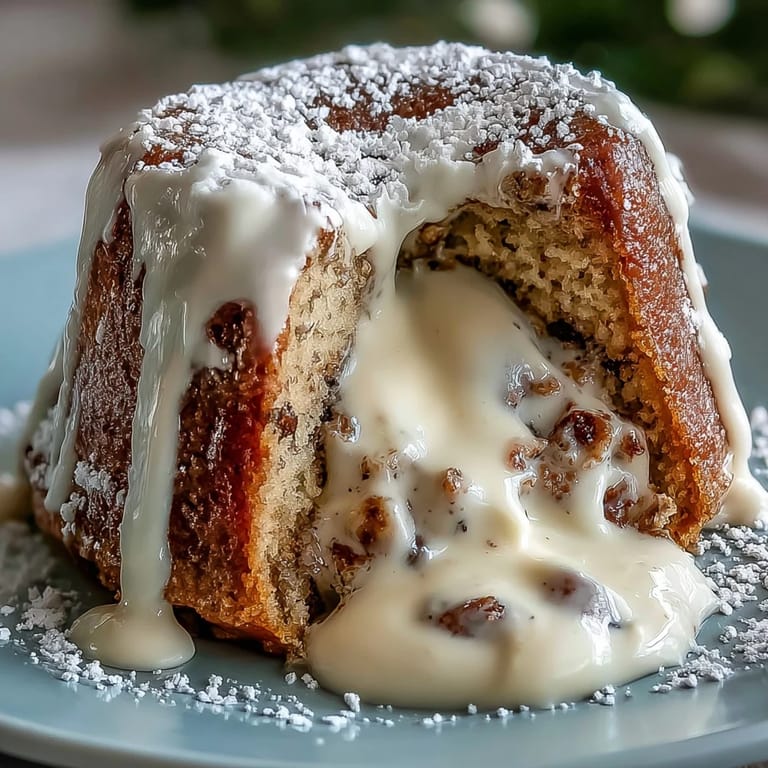
 There's something about the moment right before you bite into warm chocolate that makes time stop. I discovered hojicha white chocolate lava cakes at a small café in Tokyo, where the pastry chef explained how roasted tea powder cuts through richness with this almost smoky elegance. That conversation stuck with me, and months later I found myself in my own kitchen at midnight, determined to recreate that magic. The first attempt was admittedly messier than intended, but when that molten center spilled onto the plate, I knew I'd found something worth perfecting. Now these cakes are my secret weapon whenever I want to feel like I'm doing something impossibly fancy without actually breaking a sweat.
I made these for my partner's birthday dinner last spring, and watching their face light up when that chocolate spilled across the plate was worth every second of stress beforehand. We sat there with espresso getting cold, just talking and laughing, and I realized that's exactly what good food is supposed to do—it gives you an excuse to slow down. That night cemented these cakes as my go-to when I need to mark something as special without making it complicated.
Ingredients
- White chocolate, chopped: Use good quality white chocolate if you can find it, because the cheap stuff tastes waxy and bitter the roasted tea won't save it. Chopping it yourself instead of using chips helps it melt more evenly and smoothly.
- Unsalted butter: This needs to be actual butter, not a substitute, so it emulsifies properly with the chocolate and creates that silky texture.
- Eggs and egg yolk: Room temperature eggs whip up faster and create more volume, which gives the cake its tender, almost custardy crumb.
- Granulated sugar: Don't use brown sugar here it'll overpower the delicate balance we're going for with the hojicha.
- All-purpose flour: Just a little bit, because these cakes lean more toward fudgy than fluffy.
- Hojicha powder: This roasted green tea powder is the whole point seek it out at Asian markets or online because regular green tea powder tastes completely different. If you can't find hojicha specifically, matcha works but you'll lose that toasty nuttiness that makes this special.
- Salt: A tiny pinch makes the chocolate taste more chocolatey, trust me on this.
Tired of Takeout? 🥡
Get 10 meals you can make faster than delivery arrives. Seriously.
One email. No spam. Unsubscribe anytime.
Instructions
- Prep your ramekins like you mean it:
- Butter each ramekin really thoroughly, getting into the corners and up the sides, then dust with flour and tap out the excess. This step feels tedious but it's what separates cakes that slip out cleanly from ones that stick and tear.
- Melt the chocolate and butter gently:
- Set your bowl over barely simmering water and let them sit, stirring every so often until everything is smooth and glossy. If the water boils too hard, steam gets into your chocolate and it seizes up, which is a pain to fix.
- Whip the eggs and sugar into clouds:
- Use a whisk and go for about 2–3 minutes until the mixture is pale and slightly thickened, which means you've incorporated enough air to give the cakes structure. Stop when it ribbons off your whisk.
- Sift and fold the dry ingredients:
- Sift the flour, hojicha powder, and salt together, then gently fold them into the eggs using a spatula with a careful hand. Overmixing here deflates all that lovely air you just whipped in.
- Combine everything with restraint:
- Pour the cooled chocolate mixture into the egg mixture and fold until just barely combined no visible streaks of flour but not so much that you're stirring. This is the hardest part because your brain wants you to mix, but resist.
- Divide and get ready to bake:
- Split the batter evenly among your ramekins, filling each one about three-quarters full. Arrange them on a baking tray so they have a little room between them.
- Bake until the edges are set and the center jiggles:
- Twelve minutes at 200°C (390°F) is the sweet spot the edges should be firm to the touch while the very center still wobbles slightly when you nudge the ramekin. This is what creates that molten center.
- Rest, flip, and serve with confidence:
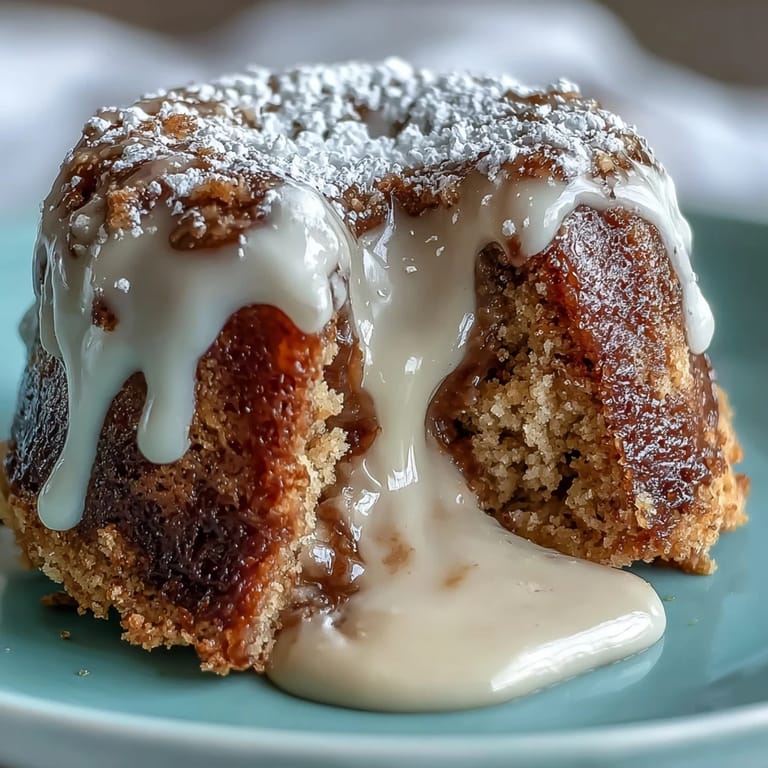
- Let them sit for just 1–2 minutes, then run a thin knife around the edges and flip each cake onto a plate in one confident motion. Dust with powdered sugar immediately and serve while the center is still warm and flowing.
 Save to Pinterest
 There's a vulnerability to serving something with a molten center, because it all comes down to timing and temperature and a little bit of faith that you got it right. When the chocolate spills exactly as it should, there's this quiet pride that comes with it.
The Hojicha Difference
Hojicha is green tea that's been roasted until it becomes this deep brown, smoky, almost coffee-like powder that tastes nothing like regular green tea. The roasting process mellows out the grassy sharpness and brings out these toasted, nutty undertones that complement white chocolate in a way that's genuinely surprising. Once you taste how hojicha cuts through sweetness without being bitter, you start finding reasons to use it everywhere.
Timing and Temperature Matter More Than You Think
I learned this the hard way after pulling a batch out early because I was nervous the centers looked too soft. They ended up overcooked by the time I flipped them, and I spent twenty minutes eating dense chocolate cake and feeling disappointed. Now I use the jiggle test religiously: if the center wobbles even slightly when you nudge the ramekin, you're right on time. Ovens vary wildly, so start checking at 11 minutes and go from there.
Serving and Pairing Suggestions
These cakes are dramatic enough to stand alone, but a dusting of powdered sugar, fresh berries, or a dollop of whipped cream adds a nice contrast to all that richness. The slight tartness of raspberries or the cool creaminess of whipped cream both work beautifully, and honestly, everything tastes better next to something cold. Coffee pairs perfectly with these, whether it's a hot espresso shot or an ice-cold glass of milk if you want something smoother and more self-indulgent.
- Make these cakes a few hours ahead and reheat them gently in a low oven for 2–3 minutes if your guests are coming late.
- If hojicha powder isn't available where you live, matcha creates a brighter, more grassy version that's still delicious.
- These freeze beautifully unbaked just pull straight from the freezer and add an extra minute to the baking time.
 Save to Pinterest
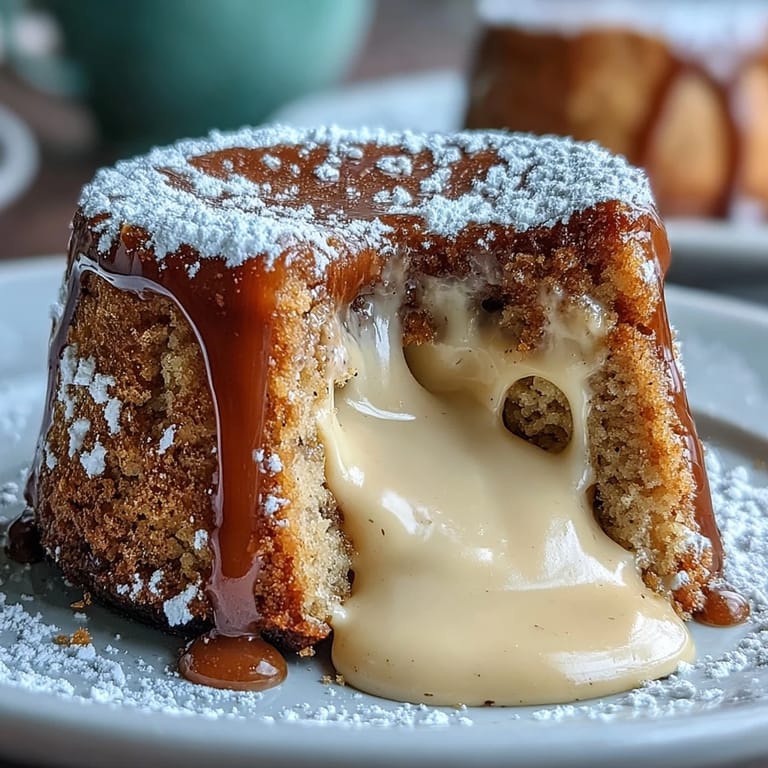
 These hojicha white chocolate lava cakes feel fancier than they actually are, which is the whole point of keeping them in your back pocket. Make them when you want to feel proud of something small and beautiful.
Common Recipe Questions
- → What is hojicha powder?
Hojicha is a Japanese green tea that's been roasted over charcoal, giving it a distinctive nutty, earthy flavor with lower caffeine content than other green teas. The powder is made by finely grinding the roasted tea leaves.
- → Can I make these ahead of time?
Yes, you can prepare the batter up to 24 hours in advance and store it in the refrigerator in the prepared ramekins. When ready to serve, bake for 13-14 minutes, adding 1-2 minutes to account for the cold batter.
- → How do I know when the cakes are done?
The edges should appear set and slightly firm, while the center remains soft and jiggly when you gently shake the ramekin. They will continue cooking slightly during the resting period, so don't overbake if you want that molten center.
- → Can I use regular chocolate instead of white chocolate?
Yes, you can substitute white chocolate with dark or milk chocolate, though the flavor profile will change. The mild sweetness of white chocolate pairs particularly well with hojicha's roasted notes without overpowering them.
- → What can I serve with these lava cakes?
Fresh berries like raspberries or strawberries provide a tart contrast to the rich cake. Whipped cream, vanilla ice cream, or a dusting of powdered sugar all work beautifully. For a sophisticated finish, serve with a shot of espresso or glass of cold milk.
- → Can I freeze these?
You can freeze unbaked batter in ramekins for up to 2 weeks. Bake directly from frozen, adding 2-3 minutes to the baking time. Once baked, they're best enjoyed immediately but can be refrigerated and gently reheated.