 Save to Pinterest
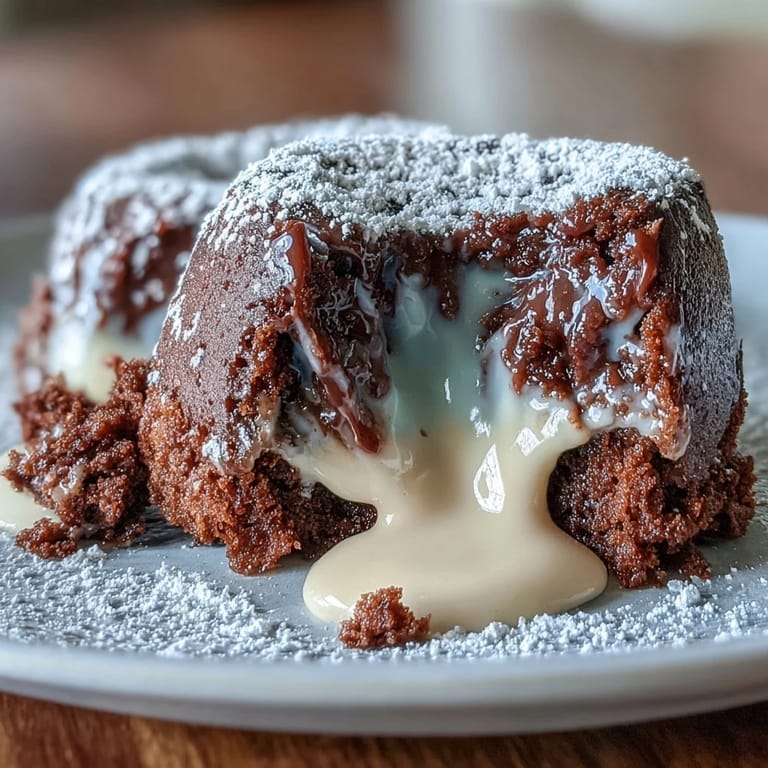
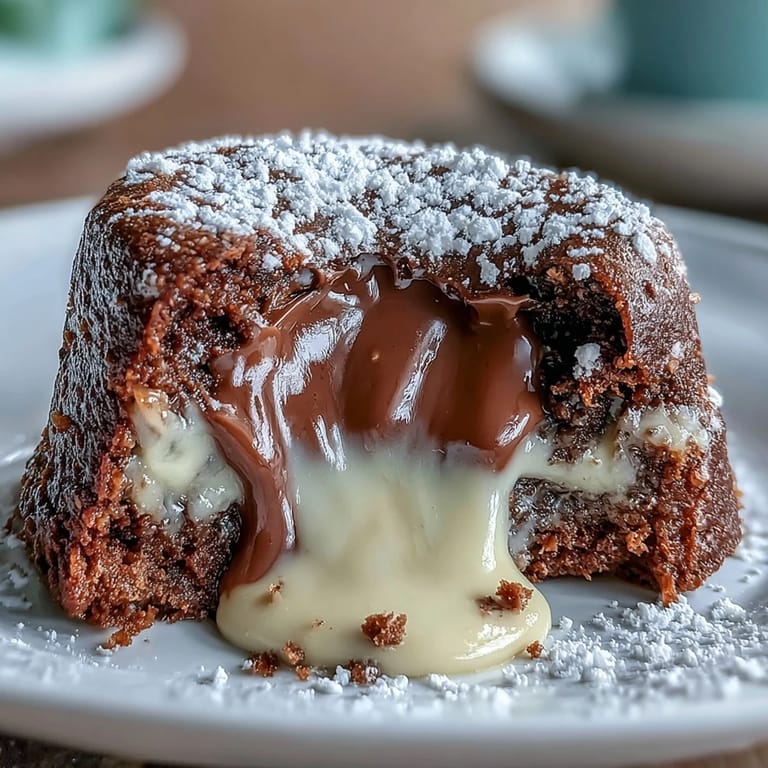
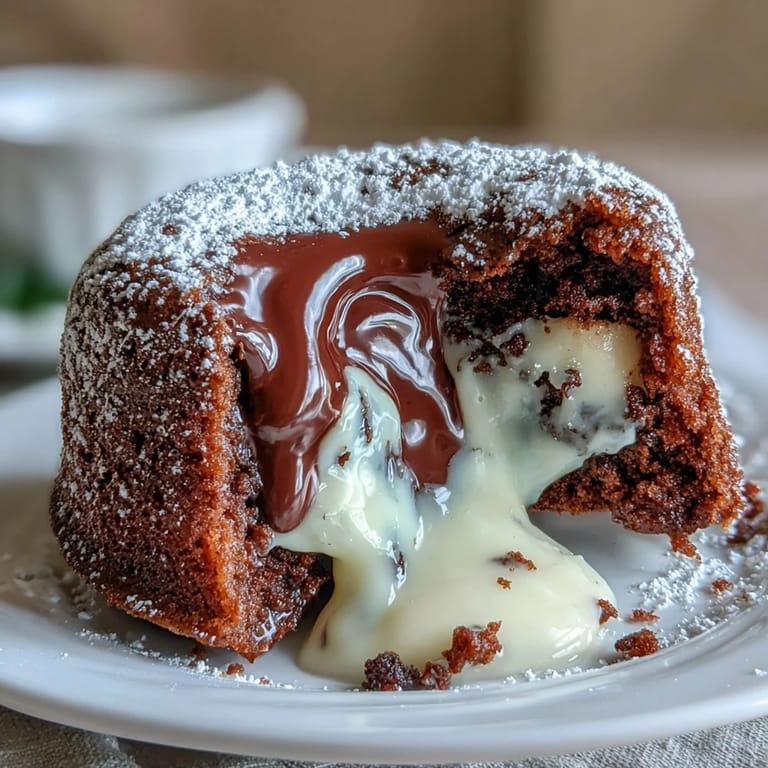
 There's something magical about watching a spoon break through the edge of a warm chocolate cake only to have an unexpected river of ganache spill across the plate. My first attempt at a hojicha lava cake happened on a quiet Tuesday evening when I was experimenting with a Japanese tea I'd just discovered, wondering if its earthy, toasted character could somehow play nicely with white chocolate. It could, and it did, in ways that surprised even me. Now whenever I make these individual cakes, that moment of anticipation before cutting into one never gets old.
I brought these to a dinner party once where someone had just moved into a new apartment, and we were all sitting on boxes eating cake with forks from the box itself. When someone cut into theirs and that hojicha ganache started flowing, the whole room went quiet for a second, then erupted. That's when I realized this dessert does more than taste good, it creates a moment of genuine surprise and delight.
Ingredients
- White chocolate (100 g for cake, 60 g for ganache): Choose something with actual cocoa butter, not palm oil, because it melts smoothly and tastes noticeably richer.
- Hojicha powder: This roasted green tea powder is the soul of the recipe, offering warm, slightly nutty notes that balance white chocolate's sweetness.
- Unsalted butter (80 g for cake, 10 g for ganache): Room temperature butter incorporates into the egg mixture without deflating it.
- Eggs (2 large eggs plus 1 yolk): The yolk adds richness to the ganache center, so don't skip it.
- Granulated sugar: Whisking this with the eggs until pale and thick creates the structure that keeps the cake tender despite its delicate nature.
- All-purpose flour (40 g): A small amount of flour is all you need to give the batter structure without making it dense.
- Heavy cream: Cold cream heats beautifully into the white chocolate, creating that silky ganache consistency.
- Cocoa powder or flour for dusting: This prevents the cake from sticking, and cocoa powder looks more elegant if you're plating for guests.
Tired of Takeout? 🥡
Get 10 meals you can make faster than delivery arrives. Seriously.
One email. No spam. Unsubscribe anytime.
Instructions
- Start with the ganache center:
- Chop your white chocolate finely and combine it with hojicha powder in a small bowl. Heat the cream until you see little bubbles forming around the edges, then pour it over the chocolate and let it sit undisturbed for exactly one minute. This resting period lets the heat do the melting work for you instead of you overworking the chocolate.
- Stir it smooth:
- After that minute, gentle stirring reveals a glossy, smooth ganache. Add room temperature butter and stir until it's completely incorporated, giving you a silky center. Transfer this to the fridge for about 30 minutes until it's firm enough to roll into four small balls.
- Prepare your ramekins:
- Butter each ramekin thoroughly, making sure you get into all the corners and up the sides. Dust with cocoa powder or flour and tap out any excess, because this step is what lets your finished cake slide out gracefully onto a plate.
- Melt the chocolate and butter together:
- Use a bowl set over barely simmering water, stirring occasionally until everything is completely smooth and fluid. The key word is barely, because vigorous boiling water can cause the chocolate to seize or split.
- Whisk the eggs and sugar until pale:
- This takes about two to three minutes with an electric whisk. You're looking for a pale, thick mixture that holds the whisk trail for a few seconds, which means the eggs have incorporated enough air to lighten the batter.
- Fold the chocolate into the eggs:
- Use a gentle hand and a spatula here, folding in thirds so you keep all that air you just whisked in. The batter should look glossy and slightly thick.
- Sift and fold in the flour and salt:
- Sifting prevents lumps from hiding in the batter. Fold gently until you don't see any white streaks of flour, but don't overmix or your cakes will be tough.
- Assemble before baking:
- Spoon about a tablespoon of batter into each ramekin, place a cold ganache ball in the center, then cover with the remaining batter, smoothing the tops gently. This is where the magic gets locked in.
- Bake at exactly the right moment:
- At 200°C (390°F), these bake for 11 to 13 minutes, until the edges look set but the centers still jiggle slightly when you gently shake a ramekin. This is the critical window where you get that lava effect instead of either a fully cooked cake or a runny center.
- Invert onto warm plates:
- Let the cakes rest for a minute or two, run a thin knife around the edge of each ramekin, then invert onto a plate. If you're gentle and your ramekin is well buttered, it'll slide right out.
 Save to Pinterest
 There's a particular kind of joy in serving something warm and beautiful that you made with your own hands, and these cakes deliver that feeling every single time. The moment someone's spoon breaks through is when you realize dessert isn't just about sugar and chocolate, it's about creating a memory.
Timing and Make-Ahead Strategy
You can assemble these cakes several hours ahead and keep them covered in the refrigerator, which means most of the work is done before your guests arrive. If baking from chilled, add one to two minutes to the baking time since the batter starts cold. I usually prep the ganache in the morning, make the batter just before dinner, and assemble everything while the oven preheats, which takes maybe five minutes of actual hands-on work at that point.
Serving and Pairing Ideas
Serve these the moment they come out of the oven while they're still warm and the ganache center is truly molten. A light dusting of powdered sugar adds elegance without overwhelming the delicate hojicha flavor, and vanilla ice cream alongside creates a temperature contrast that feels indulgent. Fresh berries or unsweetened whipped cream offer brightness that cuts through the richness beautifully, especially if you want to serve these after a heavier meal.
Variations and Flavor Explorations
Once you understand the structure of this cake, you can play with the tea element depending on what you have on hand and what mood you're in. Matcha powder creates a more vibrant, slightly grassy center, while a pinch of earl grey blended with the hojicha adds unexpected floral complexity. I've even experimented with a chai spice version by steeping the cream in cardamom and cinnamon before making the ganache, though that shifts the profile entirely. The white chocolate structure stays consistent, so you're really just swapping the tea or spice at the center.
- Try stirring a tiny pinch of sea salt into the ganache for a sophisticated sweet-salty contrast.
- If you can't find hojicha powder, you can briefly toast regular matcha in a dry pan over low heat to approximate the roasted flavor.
- Individual cakes mean you can make half a batch if you're cooking for two, since the proportions scale easily by halving everything.
 Save to Pinterest
 These hojicha lava cakes have become my go-to when I want to impress someone without spending hours in the kitchen. They're proof that simple ingredients and the right technique can create something that tastes like you spent all day on it.
Common Recipe Questions
- → What is hojicha?
Hojicha is roasted Japanese green tea with a deep, earthy flavor profile and reddish-brown color. Unlike other green teas, it's roasted over charcoal which reduces bitterness and creates warm, toasty notes that pair exceptionally well with white chocolate.
- → How do I know when the cakes are done baking?
The edges should be set and firm while the centers remain slightly jiggly when you gently shake the ramekin. This jiggly center is essential for achieving the molten lava effect. Avoid overbaking or the ganache center will fully melt into the batter.
- → Can I make these cakes ahead of time?
Yes! Prepare the ganache balls and assemble the filled ramekins up to 24 hours in advance. Refrigerate until ready to bake, then add 1-2 extra minutes to the baking time since they'll be starting from cold temperature.
- → What can I use instead of hojicha powder?
Matcha powder makes an excellent substitute, offering a more vibrant green tea flavor. You could also use Earl Grey tea powder for a bergamot twist or simply omit the tea for pure white chocolate lava cakes.
- → Why did my lava cakes lose their molten center?
This typically happens from overbaking. The oven temperature might be running hot, so consider using an oven thermometer. Also ensure your ganache balls are thoroughly chilled before adding them to the batter, as frozen centers take longer to melt.
- → What should I serve with hojicha lava cakes?
Unsweetened whipped cream provides a lovely contrast to the sweet cakes. Fresh berries like raspberries or strawberries add acidity and brightness. Vanilla ice cream creates a classic hot-and-cold dessert experience, or try red bean ice cream for extra Japanese flair.