 Save to Pinterest
 A perfectly rolled hojicha cake landed on my kitchen counter one quiet afternoon when I was experimenting with Japanese tea flavors, and honestly, I wasn't sure if the earthy roasted green tea would work in something so delicate and light. The first bite proved me wrong, that subtle bitter-sweet note paired with a whisper of mango brightness felt like discovering a flavor I didn't know I'd been missing. This isn't your typical matcha showstopper, it's the quieter, more sophisticated sibling that sneaks up on you with warmth and elegance.
I made this for a dinner party where someone mentioned they were tired of typical desserts, and watching their expression when they tasted that first slice was worth every careful fold of meringue and every gentle roll. The kitchen smelled like toasted tea leaves and sweet cream, that specific fragrance that made everyone linger a bit longer over dessert than they expected to.
Ingredients
- Eggs, separated (4 large): Room temperature eggs incorporate air better, and separating them is crucial because your egg whites need to reach those beautiful stiff peaks without any yolk interfering.
- Granulated sugar (80 g total, divided): Split this into two portions, one for the yolks and one for the whites, so you're building sweetness and stability into both components.
- Whole milk (60 ml): Adds moisture and tenderness to the sponge without making it dense or heavy.
- Vegetable oil (50 ml): This keeps the cake tender and moist longer than butter alone would, something I learned after a few crumbly attempts.
- Cake flour, sifted (70 g): Sifting removes lumps and aerates the flour, which makes a real difference in achieving that delicate crumb.
- Cornstarch (10 g): Works with the cake flour to create an even lighter, more tender structure.
- Hojicha powder (1 tbsp for cake, 2 tsp for cream): This is roasted green tea with a toasty, almost coffee-like warmth that's different from bright matcha, so don't substitute without adjusting expectations.
- Salt (1/4 tsp): Enhances the tea flavor and balances sweetness in ways you won't consciously notice until it's missing.
- Heavy cream, chilled (200 ml, minimum 35% fat): Cold cream whips to fluffy peaks, and the higher fat content means it holds its shape beautifully when you roll the cake.
- Powdered sugar (2 tbsp): Dissolves into the cream without any grittiness, keeping the filling smooth and silky.
- Ripe mango, peeled and sliced (1): Choose one that yields slightly to pressure but isn't mushy, and slice it thin enough to roll without cracking the cake.
Tired of Takeout? 🥡
Get 10 meals you can make faster than delivery arrives. Seriously.
One email. No spam. Unsubscribe anytime.
Instructions
- Prepare your workspace:
- Preheat your oven to 170°C and line that 23 by 33 cm tray with parchment paper, making sure it comes up the sides a bit so you have something to grab later. Having everything ready before you start beating eggs means you won't panic when your meringue is perfect and waiting.
- Build the yolk base:
- Whisk those separated egg yolks with 40 g of sugar until the mixture turns pale and creamy, which takes about two or three minutes of steady whisking. Add the milk and oil, mixing until everything is smooth and there are no streaks of yolk left.
- Fold in the dry ingredients:
- Sift your cake flour, cornstarch, hojicha powder, and salt together, then fold this mixture into the yolk base gently, using just enough strokes to combine without deflating any air you've built up. The batter should look smooth but not overmixed, which keeps it tender.
- Whip the egg whites:
- In a very clean bowl, beat those egg whites until they're foamy, then gradually add your remaining 40 g of sugar while continuing to beat until you reach stiff peaks that stand straight up when you lift the whisk. This creates the lift and structure your sponge needs.
- Fold in the meringue:
- This is where patience matters, fold the meringue into your yolk mixture in three additions, turning gently with a spatula and rotating your bowl rather than stirring aggressively. Each fold should take only a few turns until you don't see white streaks anymore.
- Bake the sponge:
- Pour the batter into your prepared tray and smooth the surface with an offset spatula, then tap the tray gently against the counter a few times to release trapped air bubbles. Bake for 13 to 15 minutes until the cake springs back when you press it lightly with your finger.
- Cool and flip:
- While the cake is still warm, invert it onto a fresh sheet of parchment paper, then carefully peel away the baking paper that's now on top. Loosely cover it with a clean kitchen towel and let it cool completely, which gives the structure time to set without drying out.
- Make the hojicha cream:
- Whip your chilled heavy cream with powdered sugar and hojicha powder to medium-stiff peaks, which means it should hold its shape but still feel soft and cloud-like. Don't overbeat or you'll end up with grainy, separated butter.
- Assemble with care:
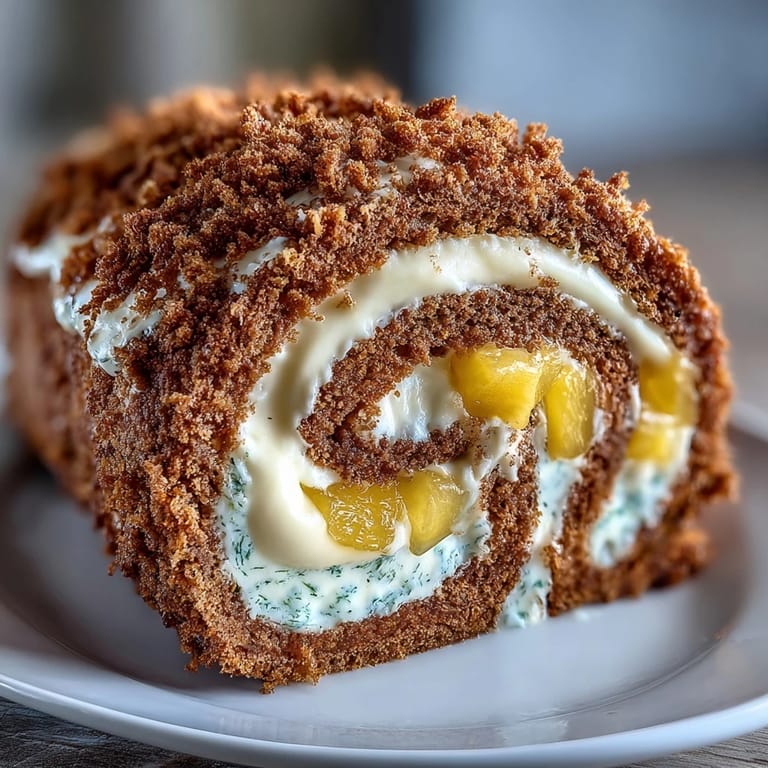
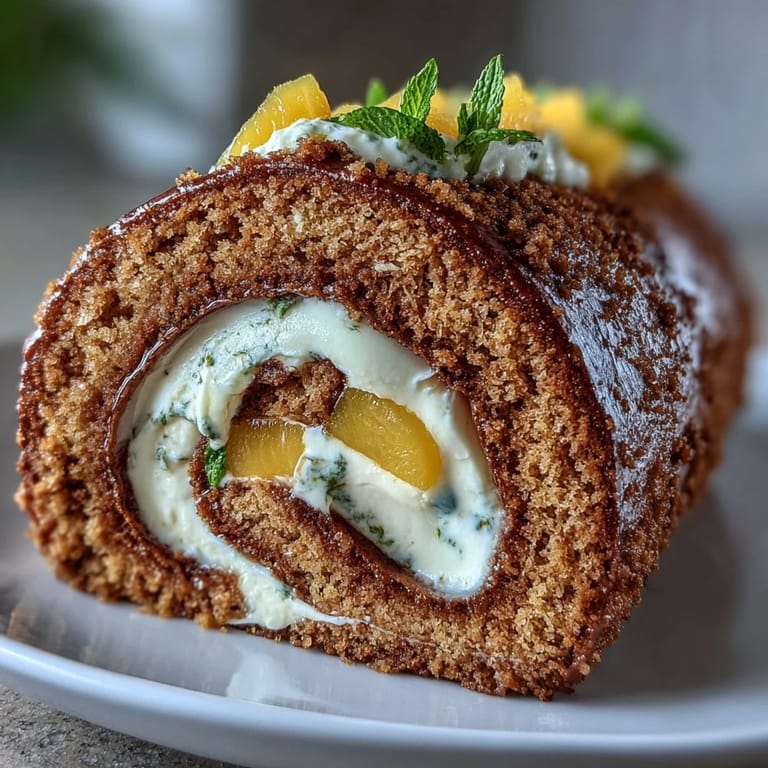
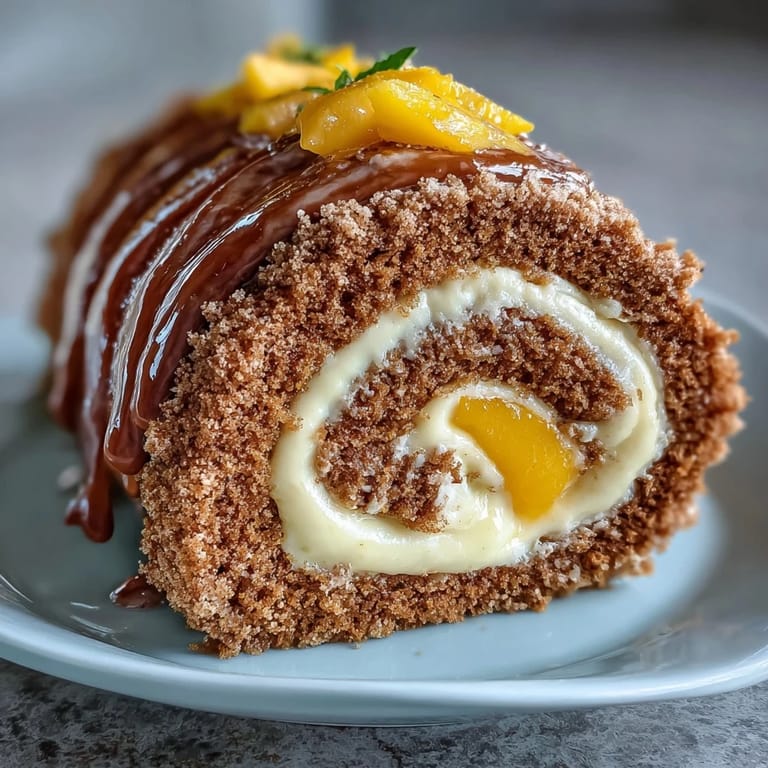
- Once the sponge is completely cool, spread the hojicha cream evenly over the surface, then arrange your mango strips along one short edge in a neat line. Using the parchment paper underneath, gently roll the cake from the mango side, keeping it tight but not so tight that the filling oozes out.
- Chill and finish:
- Wrap the rolled cake in parchment paper and refrigerate for at least 30 minutes so everything sets and the flavors meld. Trim the ends with a sharp knife for a clean presentation and slice carefully to serve.
 Save to Pinterest
 There's something almost ceremonial about rolling this cake, the way the parchment helps guide each turn and the cream stays tucked inside like a secret. When you slice into it and see those perfect spiral layers with the mango stripe running through, it feels like you've accomplished something quiet and beautiful.
The Art of the Perfect Roll
Rolling a sponge cake is less about strength and more about reading the dough as you go, feeling when the cake wants to roll and when it needs a moment to cooperate. I've found that rolling from the mango side first gives you a visual anchor and makes the whole process feel less like guesswork and more like you're following a natural line across the cake.
Why Hojicha Changes Everything
Hojicha is roasted green tea, which means it has this toasty, almost caramel-like undertone that regular matcha doesn't have, and it plays incredibly well with the delicate sweetness of a sponge cake and fresh fruit. It also tends to be less bitter and more approachable than matcha, which makes it perfect for people who might find that brighter green tea flavor overwhelming on its own.
Variations and Storage Wisdom
This cake is forgiving in the best ways, the mango can absolutely be swapped for strawberries, peaches, or even fresh raspberries depending on what's in season and what you're craving. You could also lighten the filling by blending a bit of mascarpone into the whipped cream, which gives you a tangier flavor and slightly less richness, and stored properly in the refrigerator wrapped in plastic wrap, this cake stays fresh and delicious for about three days, though honestly it rarely lasts that long.
- Dust the finished cake with extra hojicha powder or powdered sugar right before serving for a professional touch that honestly takes thirty seconds.
- If your kitchen runs warm, chill your mixing bowls and whisk before starting so your egg whites whip faster and more reliably.
- A sharp serrated knife dipped in hot water and wiped clean between slices gives you clean edges instead of squished cake.
 Save to Pinterest
 This hojicha roll cake sits somewhere between comfort and elegance, the kind of dessert that makes you feel both nourished and genuinely delighted. Make it once and you'll understand why it becomes a favorite you want to return to again and again.
Common Recipe Questions
- → What is hojicha?
Hojicha is roasted green tea leaves that have been roasted over charcoal, giving them a deep, toasty flavor and reddish-brown color. It's lower in caffeine than other green teas and has a distinct nutty, caramel-like taste.
- → Can I make this ahead of time?
Yes, assemble the roll and refrigerate it wrapped in parchment for up to 24 hours before serving. The flavors will meld together beautifully, but add any final dusting of powder just before serving.
- → Why did my sponge crack when rolling?
Cracking usually happens when the cake is overbaked or too cool when rolling. Roll while still slightly warm and don't overbake. A small crack is normal and can be hidden with cream or dusting.
- → Can I substitute the mango?
Absolutely. Try sliced strawberries, peaches, or simply omit fruit altogether for a pure hojicha experience. Avoid very watery fruits as they can make the sponge soggy.
- → What if I can't find hojicha powder?
You can use matcha powder for a greener, more grassy flavor, or grind loose hojicha leaves in a clean coffee grinder. For a different twist, try cocoa powder or cinnamon.
- → How do I store leftovers?
Wrap cut slices tightly in plastic wrap or store the whole roll in an airtight container. Refrigerate for up to 3 days. The cream may soften slightly but the flavor remains excellent.