 Save to Pinterest
 I discovered hojicha at a tiny tea shop tucked between office buildings, where the owner brewed it with the kind of patience that made me pause and actually taste something for once. The roasted, almost smoky warmth reminded me of autumn mornings, and I kept thinking about how to bring that calm into baking. These cookies happened one lazy Sunday when I decided brown butter needed a companion—and hojicha answered like it had been waiting the whole time.
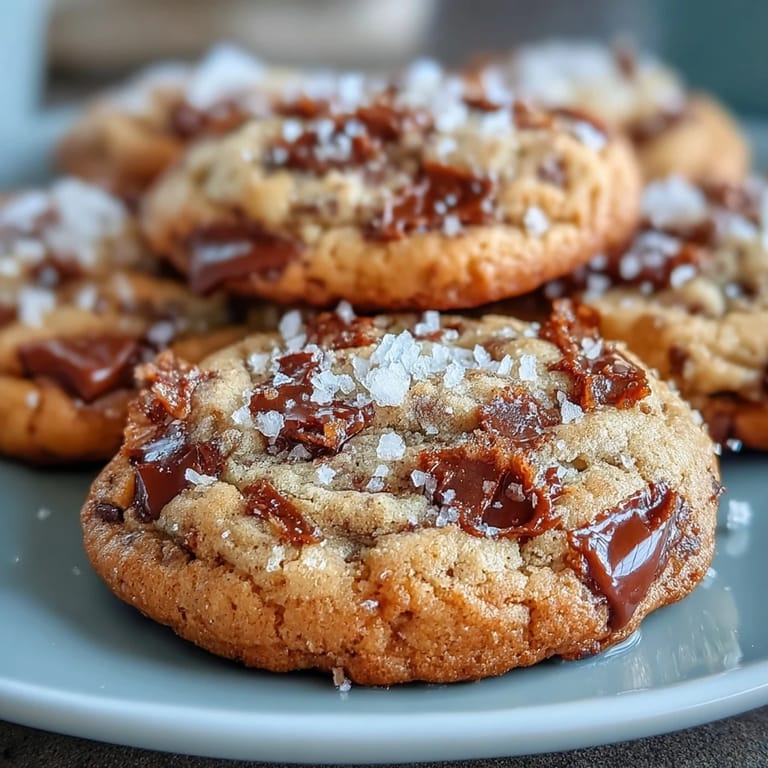
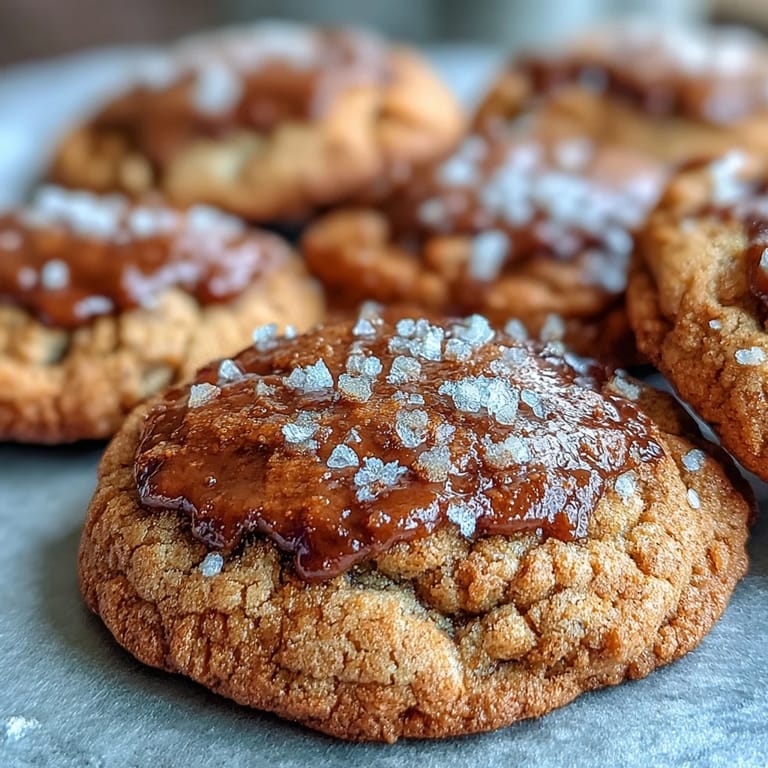
My partner walked into the kitchen mid-bake and asked what died because the house smelled almost caramelized, almost floral, almost like nothing she'd encountered before. When the cookies came out and we sprinkled sea salt on top, she took one bite and went completely quiet, which is her version of a standing ovation. That's when I knew this recipe was more than just a combination of ingredients.
Ingredients
- Brown butter (170 g): This is your foundation—the nutty depth that makes everything else sing. Don't rush it; listen for the sizzle and watch for that amber color, then trust your nose because it will smell absolutely toasted and alive.
- All-purpose flour (250 g): Measure it by spooning and leveling, not scooping straight from the bag, or you'll pack in too much and end up with dense hockey pucks instead of tender cookies.
- Hojicha powder (2 tbsp): This roasted green tea is your secret weapon, bringing an earthy, slightly smoky character that plays beautifully against the buttery richness.
- Baking soda (1 tsp): It reacts with the brown sugar and brown butter to help these cookies spread just enough and brown at the edges.
- Fine sea salt (1/2 tsp in dough): Salt isn't just a balancing act here; it actually enhances the hojicha's subtle complexity.
- Brown sugar (150 g) and granulated sugar (50 g): The combination gives you moisture and chewiness from the brown sugar while the white sugar helps with spread and a slight crispness at the edges.
- Egg and egg yolk: The yolk adds richness and helps bind without making these tough; the whole egg brings structure.
- Vanilla extract (2 tsp): Use pure vanilla, not imitation, because it matters when everything else is this delicate and balanced.
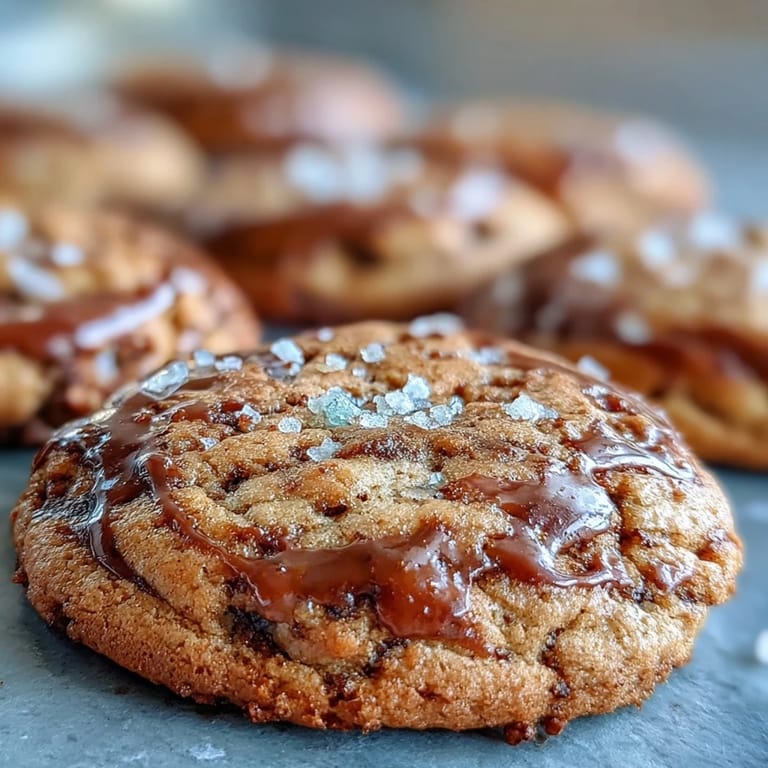
- Flaky sea salt for topping: Don't skip this; it sounds optional but it transforms the cookie by adding a textural moment and brightening the hojicha notes.
Tired of Takeout? 🥡
Get 10 meals you can make faster than delivery arrives. Seriously.
One email. No spam. Unsubscribe anytime.
Instructions
- Brown your butter with intention:
- Place the butter in a saucepan over medium heat and swirl it occasionally—don't abandon it because the difference between nutty and burnt is about 30 seconds. Once it foams and turns golden amber with a hazelnut smell that makes you lean in closer, pour it into a bowl immediately to stop the cooking. Let it cool for 10 minutes; you want it warm but not hot when it meets the sugars.
- Whisk together the dry team:
- In a bowl, combine flour, baking soda, salt, and hojicha powder, whisking so the hojicha distributes evenly and you don't end up with surprising pockets of intense tea flavor. This step is quiet but crucial.
- Build the wet base:
- Whisk the cooled brown butter with both sugars until they look combined and slightly grainy—you're not going for fluffy here, just integrated. Then add the egg, egg yolk, and vanilla, whisking until the mixture turns smooth and slightly thickened, like it's begun to emulsify.
- Bring everything together:
- Pour the dry mixture into the wet ingredients and stir with a spatula just until no flour streaks remain; the moment you can't see white, stop stirring. Overmixing develops gluten and makes these tough, which defeats the entire purpose.
- Chill if you're patient (optional but recommended):
- Covering and chilling the dough for 30 minutes gives the flour time to hydrate fully and the flavors space to develop. If you're in a hurry, skip it, but know the cookies will spread a bit more.
- Bake with confidence:
- Preheat to 175°C, space dough balls about 5 cm apart on parchment, and bake 10-12 minutes until the edges are golden and the centers look just barely set—they'll continue cooking on the hot pan. The moment they come out, if you're using it, sprinkle flaky sea salt on top so it adheres while the cookies are warm.
- Cool like you mean it:
- Let them sit on the baking sheet for 5 minutes so they firm up enough to handle, then transfer to a wire rack. This resting period is why your edges stay crispy and your centers stay tender.
 Save to Pinterest
 There's something about offering someone a cookie that tastes like autumn in Japan, made in your own kitchen, that changes the whole meaning of hospitality. These aren't cookies you apologize for or explain away as a first attempt; they're cookies people ask for the recipe for, and that moment never gets old.
The Hojicha Difference
Hojicha isn't like regular green tea; it's been roasted until it's almost chocolate-like in its depth, with grassy bitterness traded for something warm and almost smoky. When you add it to brown butter, you're layering two different kinds of nuttiness that somehow enhance each other instead of competing. The result tastes like something that's been in kitchens for generations even though you just invented it five minutes ago.
Storage and Keeping
These cookies stay crispy at the edges for three days in an airtight container at room temperature, which is honestly longer than they usually last around my house. If you want to freeze them, they'll keep for a month in an airtight container, and honestly, pulling one out and eating it cold feels like a small gift to yourself.
Playing Around
The base recipe is strong enough to play with, so don't be scared to improvise once you've made it once. I've added white chocolate chips, which felt almost wrong until I tasted the contrast, and I've stirred in chopped pecans for texture and a second layer of toastiness. You could also dust the finished cookies with a tiny pinch of matcha powder, though that's probably overthinking it.
- Hojicha powder is easiest to find at Japanese grocery stores or online, so plan ahead instead of hunting last-minute.
- If your butter is still too warm when you combine it with the sugars, you'll end up with cookies that spread too much, so let it cool properly.
- The flaky sea salt isn't decoration; it's a flavor component that makes the hojicha sing.
 Save to Pinterest
 These cookies taste like you've been keeping a secret from everyone, and in a way, you have been until now. Make them once and they'll become the thing people remember about your kitchen.
Common Recipe Questions
- → What does hojicha taste like in these treats?
Hojicha brings earthy, slightly nutty notes with subtle sweetness. The roasting process reduces bitterness, creating a warm flavor that complements the caramelized butter perfectly.
- → Can I substitute the hojicha powder?
Matcha powder works but yields a grassier, more vibrant flavor. For a caffeine-free option, try roasted chicory or barley powder, though the taste profile will shift considerably.
- → Why chill the dough before baking?
Chilling for 30 minutes prevents excessive spreading, resulting in thicker edges and softer centers. It also allows flavors to meld, enhancing the overall depth.
- → How should I store these for freshness?
Keep in an airtight container at room temperature for up to 5 days. For longer storage, freeze individually wrapped portions for up to one month.
- → What pairs well with these?
They complement vanilla ice cream beautifully, or enjoy alongside a cup of hojicha tea. The nutty flavors also pair nicely with caramel or white chocolate.
- → Can I make these dairy-free?
Substitute plant-based butter, though browning capabilities vary. Coconut butter creates similar nutty notes, while vegan butter works but may lack depth.