 Save to Pinterest
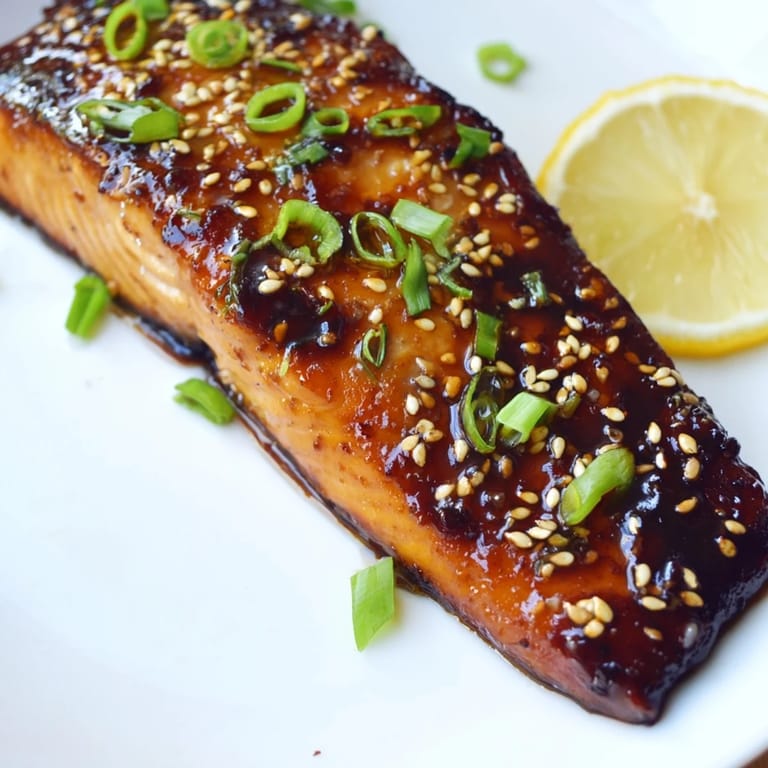
 I bought salmon on impulse one Tuesday because it looked impossibly orange under the grocery lights. At home, I panicked briefly, then remembered ginger and soy sauce lived somewhere in my pantry. Twenty minutes later, the kitchen smelled like a restaurant I couldn't afford, and the fish had this glossy, lacquered look I didn't think I was capable of. My partner walked in, stared, and asked if I'd ordered takeout.
The first time I made this for friends, I underestimated how fast it comes together. They arrived early, and I was still grating ginger with wet hands, but somehow that made it feel more alive. We ate it with chopsticks straight from the pan while the sauce was still bubbling. One of them said it tasted better than the place we used to go to before it closed, and I didn't correct her.
Ingredients
- Skin-on salmon fillets: The skin crisps up like a savory cracker if you leave it alone long enough, and it keeps the fish from falling apart when you flip it.
- Kosher salt and black pepper: Just enough to wake up the fish before the glaze takes over.
- Low-sodium soy sauce: Regular soy sauce made my first attempt taste like the ocean in a bad way, so I switched and never looked back.
- Honey: It caramelizes into the sauce and balances the salt with a sticky sweetness that clings to the fish.
- Freshly grated ginger: The bottled stuff works in a pinch, but fresh ginger has this bright, almost spicy zing that makes the glaze feel alive.
- Garlic: Minced small so it melts into the sauce instead of burning in the pan.
- Rice vinegar: A little acid cuts through the richness and keeps everything from feeling too heavy.
- Sesame oil: Just a teaspoon, but it adds this deep, toasty flavor that ties the whole thing together.
- Toasted sesame seeds: Optional, but they add a nutty crunch that makes each bite more interesting.
- Green onions: Sliced thin, they bring color and a sharp freshness that wakes up the plate.
Tired of Takeout? 🥡
Get 10 meals you can make faster than delivery arrives. Seriously.
One email. No spam. Unsubscribe anytime.
Instructions
- Prep the Salmon:
- Pat the fillets completely dry with paper towels, like you're trying to get every drop of moisture off. Season both sides with salt and pepper, then let them sit while you make the glaze.
- Whisk the Glaze:
- In a small bowl, combine soy sauce, honey, grated ginger, garlic, rice vinegar, and sesame oil. Whisk until the honey dissolves and everything looks smooth and glossy.
- Heat the Pan:
- Get your skillet screaming hot over medium-high heat. If it's not hot enough, the skin won't crisp, and you'll end up with something sad and rubbery.
- Sear Skin-Side Down:
- Lay the fillets skin-side down and resist every urge to move them. Let them sizzle untouched for 4 minutes until the skin releases easily and looks golden and crisp.
- Flip and Cook:
- Turn the salmon gently and cook the flesh side for 2 to 3 minutes. The edges should start to turn opaque but the center can still look a little translucent.
- Add the Glaze:
- Lower the heat to medium-low and pour the glaze over the fillets. Spoon it over the tops repeatedly as it bubbles and thickens, about 2 to 3 minutes.
- Serve Immediately:
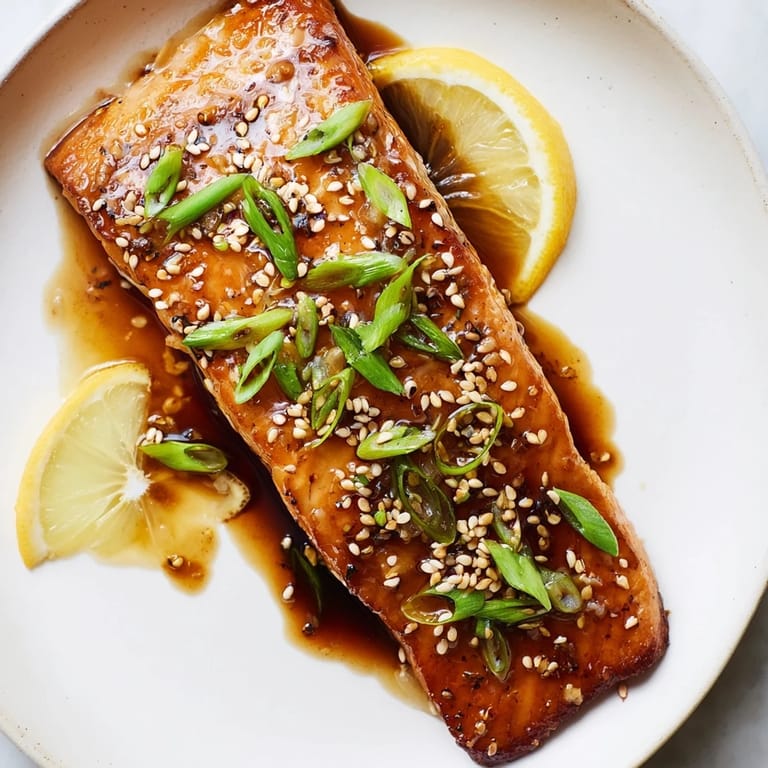
- Slide the salmon onto plates and spoon the thickened glaze from the pan over each piece. Sprinkle with sesame seeds and green onions if you're feeling fancy.
 Save to Pinterest
 One night I served this to my mom, who doesn't usually like fish. She went quiet for a second, then asked if I'd written down what I did. I realized I'd stopped thinking of it as just dinner and started thinking of it as something I could give people.
What to Serve It With
I usually pile it over jasmine rice so the glaze soaks in, but it's just as good next to sautéed bok choy or roasted broccoli. Sometimes I'll add a handful of snap peas to the pan at the end and let them blister in the leftover sauce. Keep it simple and let the salmon be the star.
How to Know When It's Done
The salmon should flake easily when you press a fork into the thickest part, but still look slightly glossy in the center. If it's turning chalky white or dry, you've gone too far. I learned this by overcooking it twice and serving something that tasted like cardboard dipped in soy sauce.
Making It Your Own
You can swap the honey for maple syrup if that's what you have, or add a pinch of red chili flakes if you want heat that sneaks up on you. I've also used tamari instead of soy sauce when cooking for someone who can't do gluten, and it worked perfectly.
- Try adding a squeeze of lime juice right before serving for extra brightness.
- If you don't have rice vinegar, apple cider vinegar works in a pinch.
- Leftovers are great cold on top of a salad the next day, though they never last that long in my house.
 Save to Pinterest
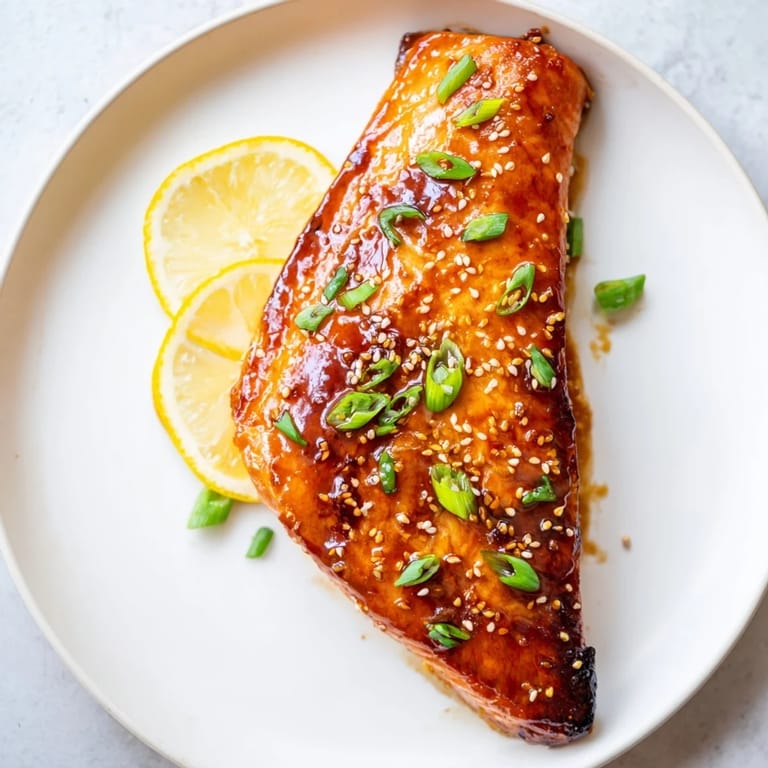
 This is the kind of recipe that makes you feel competent even on days when everything else goes wrong. It's quick, it's forgiving, and it never fails to impress.
Common Recipe Questions
- → How do I get crispy skin on the salmon?
Pat salmon dry before cooking and sear skin-side down in a hot, lightly oiled skillet without moving for several minutes to ensure crispiness.
- → Can I adjust the sweetness of the glaze?
Yes, adjust the honey amount to your taste or substitute with maple syrup or brown sugar for a different sweetness profile.
- → What can I serve with the salmon?
Steamed rice, sautéed greens, or roasted vegetables complement the dish well and balance the flavors.
- → Is sesame oil necessary in the glaze?
Sesame oil adds a nutty depth of flavor, but it can be omitted or replaced with another oil if needed.
- → Can I make the glaze spicy?
Yes, adding red chili flakes to the glaze introduces a pleasant heat that pairs well with the sweet and savory elements.