 Save to Pinterest
 I discovered the magic of edible architecture quite by accident at a dinner party where I'd forgotten to prepare a proper appetizer. Frustrated, I rifled through my pantry and found some flour, yeast, and an impressive collection of cheeses I'd been saving. Within an hour, I'd constructed this delicate dome of golden breadsticks cradling a treasure of fine cheeses, and watching my guests carefully dismantle it bite by bite felt like witnessing a small miracle of improvisation.
My friend Maria still talks about the time I brought this to her birthday dinner—not because it tasted exceptional, but because when we went to slice into the dome, the whole thing gently collapsed like an edible snow globe, which somehow made everyone laugh even harder and eat more cheese than they planned to.
Ingredients
- All-purpose flour: The foundation of everything; I learned that weighing it (250g) rather than scooping gives you a more reliable dough every time.
- Instant dry yeast: Just one teaspoon is enough—fresh yeast matters here, so check your expiration date or the breadsticks won't have that light, airy crumb.
- Sugar and salt: A teaspoon of sugar feeds the yeast while a half teaspoon of fine sea salt keeps the flavor balanced without overpowering.
- Lukewarm water and olive oil: The water should feel like a warm bath on your wrist; too hot and you'll kill the yeast, and the olive oil adds a subtle richness that plain water never could.
- Egg yolk: This creates that beautiful golden glaze that catches the light when guests first see the dome.
- Sesame seeds: Optional but worth it—they add a subtle nuttiness and visual texture that feels intentional rather than plain.
- Triple-cream Brie: The luxurious anchor; it's soft enough to support breadsticks but firm enough not to crumble when assembled.
- Aged Comté: Nutty, complex, and cuts through the richness of the Brie beautifully.
- Truffled goat cheese: The show-off ingredient that makes people pause and ask what that is.
- Blue cheese: Roquefort or Gorgonzola adds a sharp contrast that makes every other cheese taste better.
- Parmigiano Reggiano shavings: Use a vegetable peeler for thin ribbons that feel more refined than chunks.
- Red grapes, honey or fig jam, fresh herbs: These are the supporting players that make the cheese platter feel intentional rather than random.
Tired of Takeout? 🥡
Get 10 meals you can make faster than delivery arrives. Seriously.
One email. No spam. Unsubscribe anytime.
Instructions
- Build your dough:
- Combine flour, yeast, sugar, and salt in a large bowl, then add the lukewarm water and olive oil. Stir until shaggy, then knead for 8 to 10 minutes—you'll know it's ready when it feels smooth and elastic and doesn't stick to your hands anymore.
- Give it time to rise:
- Cover the bowl and let it sit in a warm spot (I use a turned-off oven with the light on) for 30 minutes until it roughly doubles in size. This is the moment when the yeast does all the heavy lifting.
- Prepare your oven:
- Preheat to 200°C (390°F) and line a baking tray with parchment paper so your breadsticks won't stick.
- Shape into sticks:
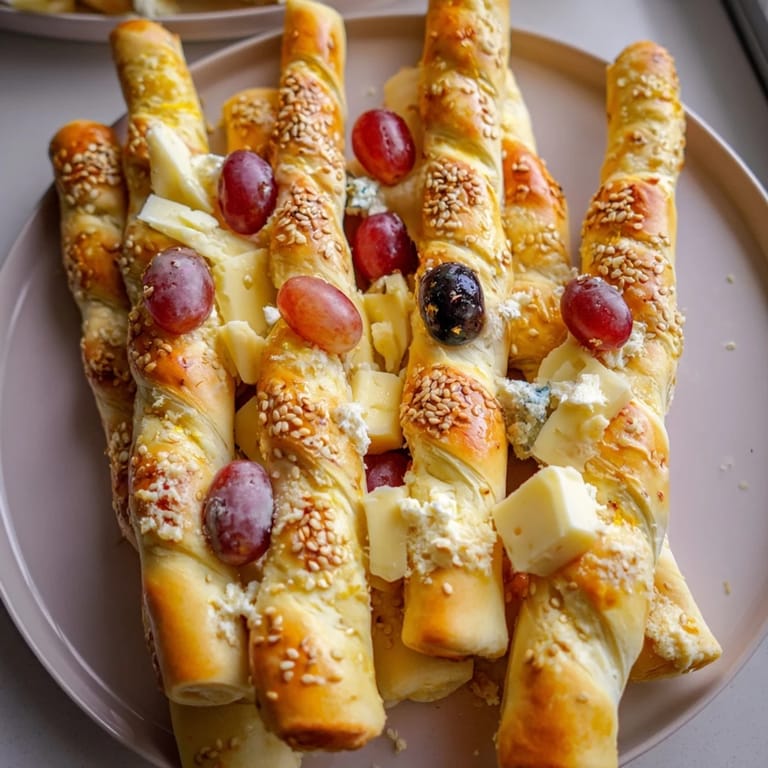
- Divide the risen dough into 18 to 20 pieces and roll each one thin—about 3 mm thick and roughly 25 cm long. They should feel delicate but not fragile, like edible wands.
- Add the gloss and sparkle:
- Brush each breadstick with egg yolk and sprinkle with sesame seeds if using. This transforms them from plain to precious-looking.
- Bake until crisp:
- Bake for 15 to 18 minutes, turning the tray halfway through, until they're golden and snap when you bend them. Let them cool completely on the tray or they'll be too soft to work with.
- Arrange your cheese center:
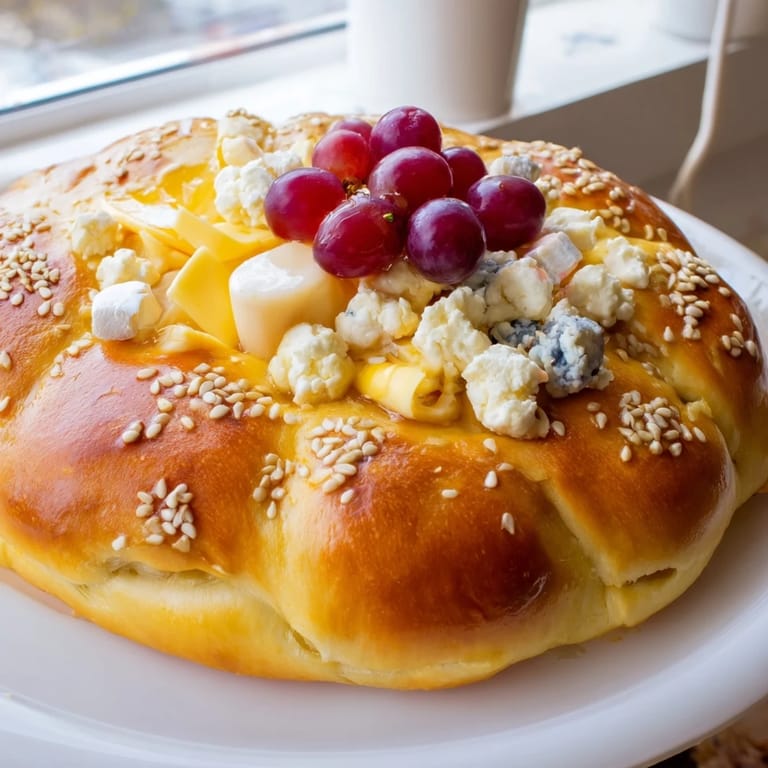
- On your serving platter, mound the cheeses together in the middle, then tuck in grapes, drizzle honey or jam, and scatter fresh herbs. Think of it like creating a landscape.
- Build the dome:
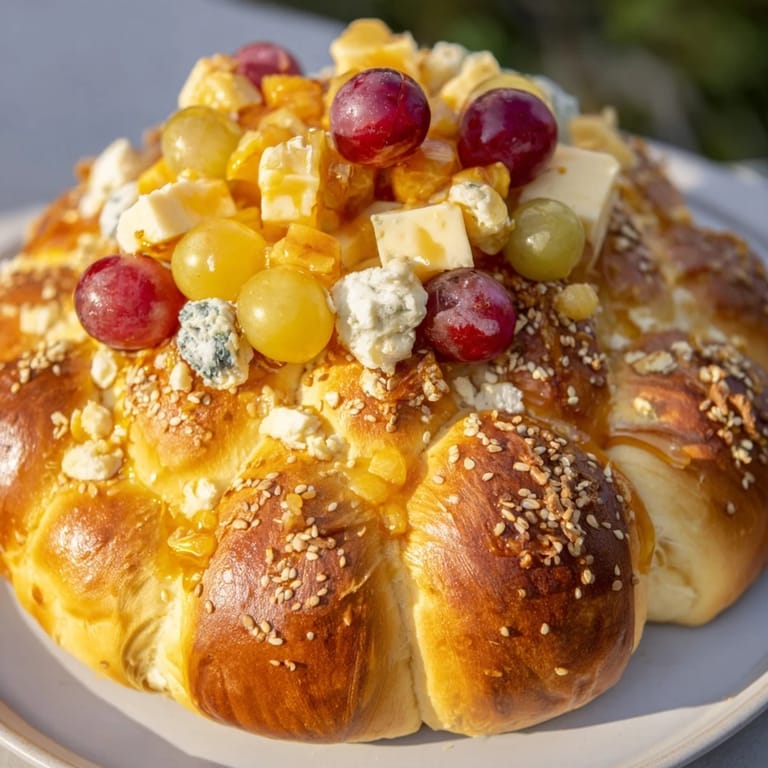
- This is the delicate part—lean the cooled breadsticks against each other over the cheese pile like you're building a tepee, using the cheeses as anchors and props. If it feels wobbly, gently press the bottoms into the cheese or use a small bowl as a temporary frame underneath.
 Save to Pinterest
 There's something oddly satisfying about the moment when the final breadstick slots into place and the whole thing holds—like you've just performed actual magic with ingredients from your pantry. That moment, right before someone takes the first bite and shatters your architecture, is pure kitchen joy.
Cheese Selection as Theater
The beauty of this dish is that it's as much about variety as abundance. Each cheese plays a different role in the narrative—the Brie is the gracious host, the Comté the witty conversationalist, the blue cheese the shocking truth-teller. Choose cheeses that make you genuinely excited to taste them, and your guests will feel that intention the moment they see the platter.
The Breadstick Formula
The yeast dough is forgiving enough that even small variations won't ruin you, but there's a sweet spot where the dough is elastic enough to stretch thin without tearing. If you find yourself fighting the dough, let it rest for five minutes and come back to it—patience pays off here.
Timing and Presentation Secrets
Assemble the dome no more than an hour before serving so the breadsticks stay crisp and the cheeses don't soften too much. The grapes should be cold from the fridge, and the honey should be at room temperature so it flows slowly across the cheeses like edible liquid gold. This dish thrives on the contrast between temperatures and textures, so keep thinking about how each element feels in your mouth.
- Use a small knife to shave the Parmigiano yourself rather than buying pre-shaved—it tastes fresher and looks more intentional.
- If one breadstick breaks during assembly, snap it shorter and tuck it in where it's hidden—nobody will know.
- Have extra breadsticks on the side; guests will ask for them once they realize how good they are.
 Save to Pinterest
 This is the kind of dish that sits at the intersection of effort and reward, where people remember the moment more than the mechanics. Serve it with something crisp to drink and watch it become the star of your table.
Common Recipe Questions
- → How do I ensure the breadsticks stay crisp?
Bake the breadsticks until golden and allow them to cool completely on a wire rack to maintain crispness before assembly.
- → Can I substitute the cheeses used in this dish?
Yes, feel free to use your preferred cheeses such as aged cheddar, Manchego, or Taleggio to suit your taste.
- → What is the best way to assemble the breadstick dome?
Arrange the cheeses in a mound first, then carefully build the breadsticks over the cheese using them for support, gently pressing where needed.
- → Are there suggestions for gluten-free adaptations?
Use a gluten-free breadstick dough to accommodate dietary needs without compromising texture.
- → Which accompaniments complement this dish?
Seedless red grapes, honey or fig jam, and fresh herbs like thyme or rosemary enhance both flavor and presentation.
- → How can I add a luxurious touch to this dish?
Consider decorating some breadsticks with edible gold leaf for a dramatic, upscale finish.