 Save to Pinterest
 My first encounter with hojicha was at a small tea shop tucked away in Kyoto, where the owner served it alongside a delicate sponge cake that dissolved on my tongue. I became obsessed with recreating that moment at home, but the real breakthrough came when I stopped overthinking the process and learned to trust the gentle folding motion that keeps the cake impossibly light. There's something almost meditative about whisking eggs over warmth, watching them transform from liquid to fluffy clouds. That's when hojicha cake shifted from a nice idea to something I actually wanted to make again and again.
Last summer, I made this cake for my neighbor who'd just returned from Tokyo with a small tin of premium hojicha powder. Watching her face light up when she tasted it, recognizing those exact roasted tea notes she'd experienced abroad, reminded me why I cook. The cake had become a bridge between her memory and my kitchen, and somehow that mattered more than whether the layers were perfectly even.
Ingredients
- Eggs (4 large, room temperature): Cold eggs won't incorporate air properly, so pull them out at least an hour before you start. This is the foundation of your cloud-like texture.
- Granulated sugar (120 g): The exact amount matters here because it's what helps stabilize all those air bubbles you're creating when you whisk.
- Cake flour (120 g, sifted): Don't skip the sifting step or substitute all-purpose flour if you can help it. Cake flour's lower protein content keeps the crumb tender and delicate.
- Hojicha powder (20 g for cake, 10 g for cream): Buy from a Japanese market or online specialty shop. The quality makes a real difference in the final flavor, so don't settle for the dusty stuff lurking in a regular grocery store's international aisle.
- Unsalted butter (40 g, melted and cooled): Cooling the butter before folding it back in prevents it from sinking to the bottom of your cake. This step feels small but changes everything.
- Whole milk (30 ml, room temperature): This small amount keeps the cake from being too dry. Room temperature is key so it doesn't shock the batter.
- Fine sea salt (1/4 tsp): Salt isn't about making things salty. It enhances the hojicha flavor and balances the sweetness beautifully.
- Heavy cream (300 ml, minimum 35% fat): The higher the fat content, the more stable your whipped cream will be. Cold cream and a cold bowl are non-negotiable.
- Powdered sugar (40 g): Sift this together with the hojicha powder before adding cream so you don't have lumps disrupting your silky frosting.
- Vanilla extract (1 tsp): A whisper of vanilla deepens the hojicha flavor without competing with it.
Tired of Takeout? 🥡
Get 10 meals you can make faster than delivery arrives. Seriously.
One email. No spam. Unsubscribe anytime.
Instructions
- Prepare your oven and pan:
- Set your oven to 170°C (340°F) and line only the bottom of your pan with parchment paper, leaving the sides ungreased. Ungreased sides help the cake climb up and stay airy as it bakes.
- Warm the eggs and sugar:
- Place eggs and sugar in a heatproof bowl and set it over simmering water, whisking constantly until the mixture feels warm to the touch and registers around 40°C. This gentle heat helps the eggs incorporate more air when you beat them.
- Beat until tripled:
- Remove the bowl from heat and switch to an electric mixer on high speed. Watch as the pale mixture grows and grows, taking about 7 minutes until it's thick, ribbony, and has tripled in volume. Reduce speed and beat for one more minute to stabilize the foam.
- Sift and fold the dry ingredients:
- Sift cake flour, hojicha powder, and salt together into a separate bowl. Gently fold this mixture into the eggs in two additions, using a rubber spatula to cut down the center, scrape the bottom, and fold over itself. Stop as soon as you don't see streaks of flour.
- Incorporate the butter mixture:
- Stir a scoop of the batter into your cooled melted butter and milk until combined, then gently fold this back into the main batter. This method prevents the butter from sinking and keeps the crumb light.
- Bake the cake:
- Pour the batter into your prepared pan and tap it gently on the counter to release any large air pockets. Bake for 23 to 25 minutes until the top springs back when lightly touched and a skewer inserted in the center comes out clean.
- Cool properly:
- Let the cake sit in the pan for 10 minutes, then run a thin knife around the edges and invert it onto a cooling rack. Peel away the parchment paper and let it cool completely before slicing or frosting.
- Make the hojicha whipped cream:
- In a chilled bowl, sift together hojicha powder and powdered sugar to break up lumps. Add cold heavy cream and vanilla, then whip with an electric mixer until the cream reaches medium-stiff peaks with soft, billowy peaks that still hold their shape.
- Assemble with care:
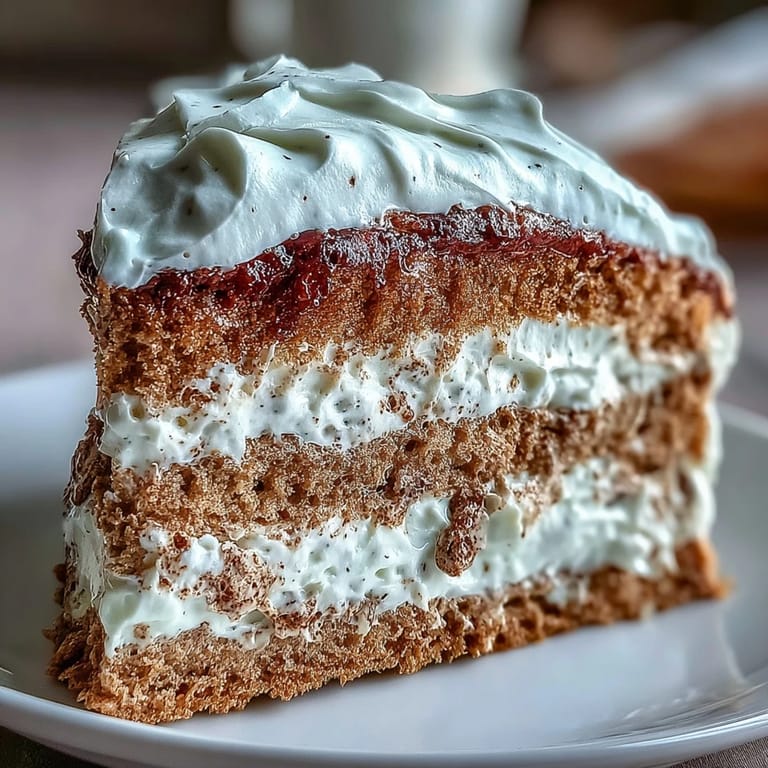
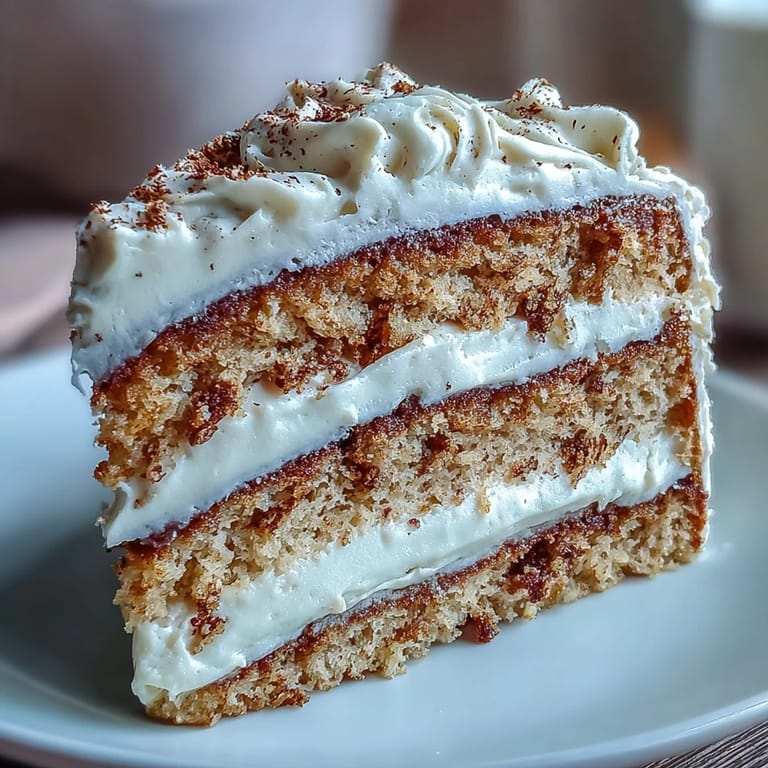
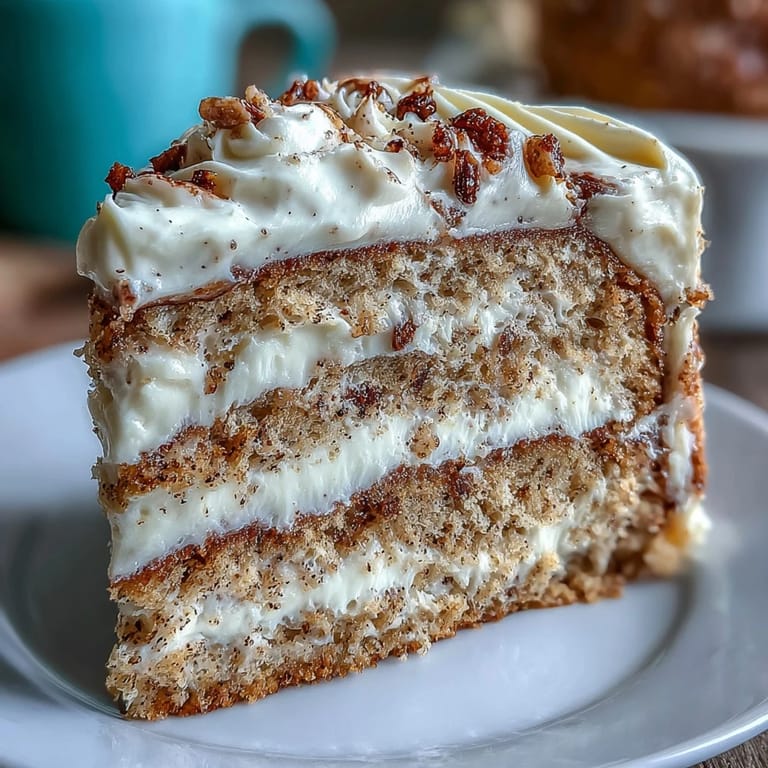
- Once the cake is completely cool, use a serrated knife to slice it horizontally into two or three layers. Spread hojicha whipped cream between each layer and generously over the top, then chill for at least 30 minutes so the layers set and you can slice cleanly.
 Save to Pinterest
 I once made this cake in the middle of a gray November afternoon when I needed to feel something warm and purposeful. The smell of hojicha filling the kitchen, that roasted, almost coffee-like aroma mixing with vanilla and butter, pulled me out of a restless mood. Baking this cake has become my way of creating small moments of beauty on ordinary days.
The Science of the Sponge
Genoise cakes work because you're creating a foam structure, which means every single ingredient and step serves that goal. When you whisk warm eggs, the heat helps the proteins unwind and trap air more efficiently than cold eggs ever could. The sifting, the gentle folding, the ungreased pan sides, the quick bake time at moderate heat, even cooling the cake in the pan briefly before inverting, all of these decisions work together to preserve those tiny air pockets that make the crumb so delicate.
Working with Hojicha Powder
Hojicha powder isn't just a flavoring; it's a texture component too. Because it's finely ground roasted tea, it adds a subtle grittiness that actually enhances the perception of flavor, similar to how cocoa powder works in chocolate desserts. I've experimented with steeping hojicha in hot water and brushing that liquid between the cake layers for extra moisture, which transforms an already delicate cake into something that stays tender for days. The key is to brush it on lightly so the structure doesn't become waterlogged.
Timing and Storage Wisdom
This cake reaches peak flavor and texture about 4 hours after assembly, which gives the cream time to set and the hojicha flavor to mellow and integrate. I've learned that baking the cake a day in advance and assembling it the morning of serving works beautifully, or you can assemble it fully and refrigerate for up to 3 days. The whipped cream stays stable because of the hojicha powder's tannins, which actually help stabilize the foam structure in a way plain cream cannot.
- If you're adding the optional hojicha tea brush, brew a strong cup of hojicha tea or dissolve 1 teaspoon of hojicha powder in 2 tablespoons of hot water and let it cool completely before using.
- For a textured garnish, try dusting extra hojicha powder on top just before serving, or scatter a few chocolate shavings or roasted hazelnuts across the frosting for contrast.
- Always slice with a thin, sharp, serrated knife dipped in hot water and wiped dry between cuts so you get clean layers instead of crumbs.
 Save to Pinterest
 This cake has become the dessert I turn to when I want to show someone I've put thought into their moment. There's something about hojicha's quiet complexity that makes people slow down and really taste what's in front of them.
Common Recipe Questions
- → What makes hojicha different from other Japanese teas?
Hojicha is roasted green tea that produces a distinctively warm, toasty flavor with lower caffeine content. The roasting process gives it reddish-brown leaves and a smooth, smoky character that pairs beautifully with creamy desserts.
- → Can I substitute hojicha powder with matcha?
While possible, matcha will create a different flavor profile—more grassy and vibrant rather than smoky and mellow. The result will still be delicious but won't capture the same roasted, caramel-like notes that make hojicha special.
- → Why is the genoise method used for this sponge?
Genoise creates an exceptionally light, airy texture that perfectly complements the delicate hojicha flavor. The whipped egg foam structure produces a tender crumb that doesn't overpower the subtle tea notes, allowing the whipped cream filling to shine.
- → How should I store the finished cake?
Keep refrigerated in an airtight container for up to 3 days. The cream filling requires cool storage to maintain structure. Bring to room temperature for 15-20 minutes before serving to appreciate the full flavor and soft texture.
- → What can I use if I don't have cake flour?
Make your own by measuring all-purpose flour and removing 2 tablespoons per cup, then replacing with 2 tablespoons cornstarch. Sift thoroughly three times to aerate before incorporating into the batter.
- → Why shouldn't I grease the cake pan sides?
Un-greased sides allow the batter to climb and grip the pan as it rises, creating better height and structure. The parchment-lined bottom ensures easy release while the ungreased edges help achieve that characteristic genoise lift.