 Save to Pinterest
 My neighbor Rosa taught me that tres leches isn't just a cake—it's a love letter written in milk and butter. Years ago, she brought one to a potluck, and I watched people close their eyes mid-bite, their forks hovering in that moment of pure surrender. When she finally shared her twist with toasted pecans, I knew I had to learn it myself. That first attempt in my kitchen was messy and imperfect, but something magical happened when those three milks soaked into the tender sponge.
I made this for my daughter's quinceañera, and watching three generations of women help me assemble it in the kitchen felt like we were building something bigger than dessert. My mother whispered tips about patience with the milk mixture while my daughter laughed at how nervous I was about poking holes perfectly. By the time we pulled it from the fridge the next evening, frosted and glistening, it represented everything that day was about—tradition meeting the present moment.
Ingredients
- All-purpose flour: Use fresh flour if you can; old flour absorbs liquid differently and your cake might turn dense instead of tender.
- Unsalted butter: Room temperature is non-negotiable here—cold butter won't cream properly and you'll lose that light, airy crumb.
- Eggs: Bring them to room temperature too; they incorporate more evenly and create a better structure to hold all that milk.
- Sweetened condensed milk, evaporated milk, and whole milk: This trio creates the signature tres leches magic—don't skip or substitute, each one brings something different to the soaking mixture.
- Pecans: Toasting them in butter is where the magic lives; raw nuts taste flat compared to this golden, caramelized version.
- Heavy whipping cream: Make sure it's actually cold when you start whipping, or you'll chase it around the bowl forever.
Tired of Takeout? 🥡
Get 10 meals you can make faster than delivery arrives. Seriously.
One email. No spam. Unsubscribe anytime.
Instructions
- Prepare your stage:
- Preheat that oven to 350°F and grease your 9x13-inch pan like you mean it—use parchment paper on the bottom for worry-free removal later.
- Build your dry team:
- Whisk flour, baking powder, and salt together and set aside; this prevents lumps and distributes the leavening evenly throughout your cake.
- Cream the butter and sugar:
- This is where patience pays off—beat them together for 3 to 5 minutes until the mixture turns pale and fluffy, almost like clouds forming in a bowl.
- Add eggs one at a time:
- After each egg, make sure it's fully incorporated before adding the next one; you're building an emulsion that will keep everything tender.
- Alternate wet and dry:
- Add flour mixture, then milk, then flour again—begin and end with flour to keep the batter stable and prevent overworking it.
- Bake until golden:
- About 25 to 30 minutes, until a toothpick comes out clean and the edges pull slightly away from the pan.
- Create the tres leches magic:
- Whisk all three milks together and if using it, the coconut milk; the mixture should be smooth and luxurious.
- Poke and soak:
- After cooling the cake 10 minutes, use a fork to create tiny holes all over—you're creating pathways for the milk to travel into the crumb. Pour the mixture slowly, letting gravity and patience do the work.
- Let it rest overnight:
- This is when the cake transforms, absorbing the milk and developing that signature melt-on-your-tongue texture.
- Toast the pecans in butter:
- Melt butter in a skillet, add chopped pecans and brown sugar, stirring constantly for about 5 minutes until everything smells toasted and golden. The mixture will bubble and glisten when it's ready.
- Whip the cream to stiff peaks:
- Cold cream, cold beaters, cold bowl—this helps it whip faster and hold its shape longer.
- Assemble the final masterpiece:
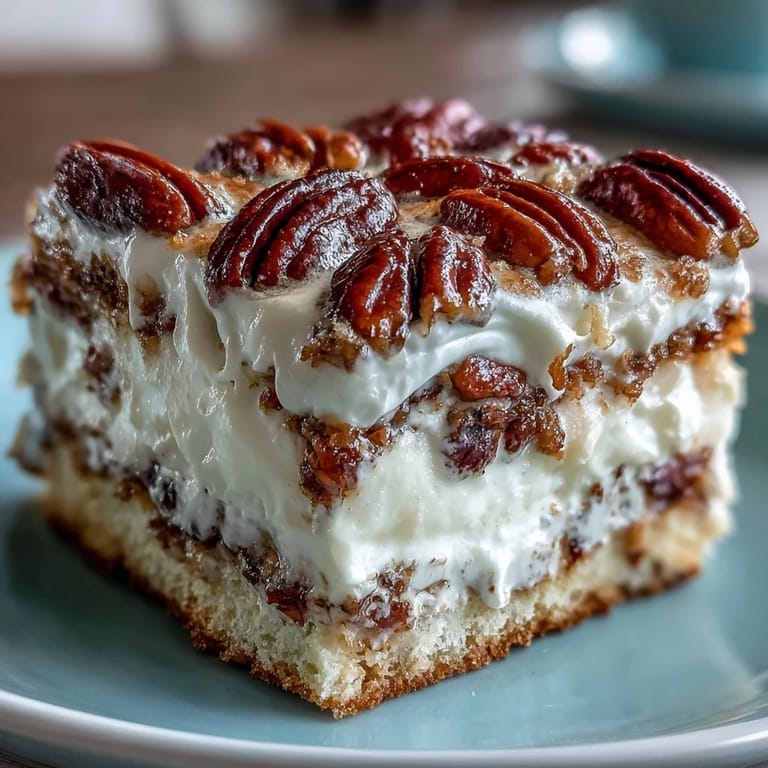
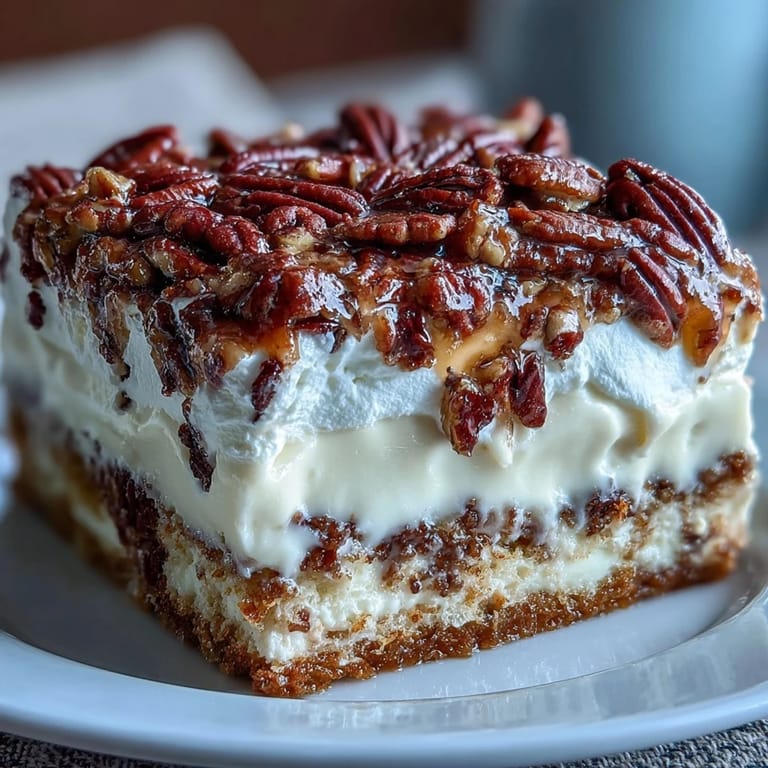
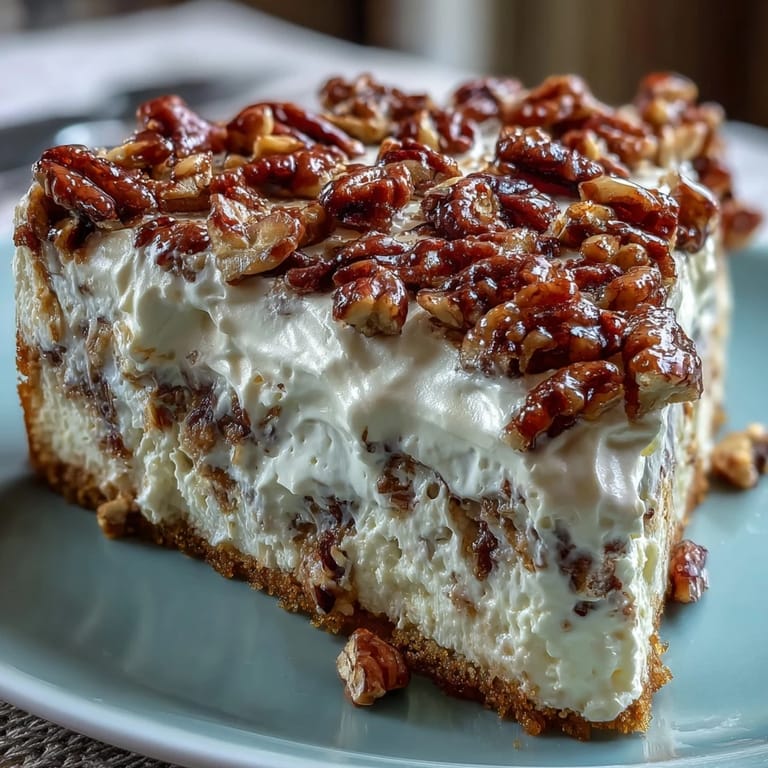
- Spread whipped cream across the chilled cake, then drizzle the cooled butter pecan mixture across the top in a generous pattern.
 Save to Pinterest
 The real moment came when my quiet dad—a man who rarely compliments anything—asked for seconds and then just sat there, fork in hand, not even making conversation. I knew the recipe had worked when the kitchen filled with that comfortable silence that only happens when food is doing exactly what it's supposed to do.
Why Patience Is Your Secret Ingredient
Tres leches demands time in a way that feels almost rebellious in our instant-everything world. The soaking can't be rushed—pour it too fast and it pools on top instead of soaking through; wait too short and the crumb stays dry. I learned this the hard way my second attempt when I got impatient after just two hours and sliced into a cake that still felt slightly firm. Now I actually plan this dessert a full day ahead, which somehow makes the eating even better because I've been thinking about it all day.
The Pecans: Where Texture Meets Sophistication
Everyone expects this cake to be purely creamy and soft, so when they bite through those toasted butter pecans, something unexpected happens on their palate. The contrast is what makes people reach for another slice, chasing that combination of textures. I've tried candied pecans, cinnamon pecans, even chocolate-covered pecans—but there's something timeless about butter-toasted pecans that nothing else captures the same way.
Making It Your Own Without Losing the Magic
Once you master the basic version, this cake invites gentle creativity. I've added a whisper of rum to the milk mixture on special occasions, or a dash of cinnamon that makes everyone stop mid-bite trying to figure out what that warmth is. Just remember that tres leches is already rich and complex—think of additions as seasoning, not overhauls.
- A tiny splash of rum or bourbon in the milk mixture adds sophistication without announcing itself.
- Sprinkle the pecans while the cream is still fresh so they don't sink into the cold topping.
- Serve this cake slightly chilled rather than cold—it tastes more like itself when it's not fight-cold from the fridge.
 Save to Pinterest
 This cake has become my answer to almost every celebration, the one I reach for when I want people to feel truly welcomed. There's something about a dessert that takes time and care to make that transforms a table from a gathering into a memory.
Common Recipe Questions
- → Can I make this cake ahead of time?
Yes, this cake actually improves when made ahead. Prepare it up to 2 days in advance and refrigerate. Add the whipped cream and pecan topping just before serving for the best texture and presentation.
- → Why does the cake need to soak overnight?
Overnight soaking allows the cake to fully absorb the three-milk mixture, creating that signature ultra-moist, creamy texture. While one hour is the minimum, overnight refrigeration yields the most authentic and delicious results.
- → Can I use a different type of nut instead of pecans?
Absolutely! Walnuts, almonds, or hazelnuts work wonderfully as substitutes. Toast them with butter and brown sugar the same way to achieve that candied, crunchy topping that complements the creamy cake.
- → How should I store leftover cake?
Cover the cake tightly with plastic wrap or store in an airtight container in the refrigerator for up to 4 days. The milk-soaked texture holds up beautifully, making leftovers just as delicious as the first serving.
- → Is the coconut milk necessary?
Coconut milk is optional but highly recommended. It adds subtle tropical richness and extra creaminess to the milk mixture without overpowering the butter pecan flavors. You can omit it or substitute with additional whole milk if preferred.
- → Can I use a different pan size?
The 9x13-inch pan is ideal for proper milk absorption and serving portions. If using a different size, adjust baking time accordingly and ensure the cake isn't too thick, which could prevent proper soaking of the milk mixture.