 Save to Pinterest
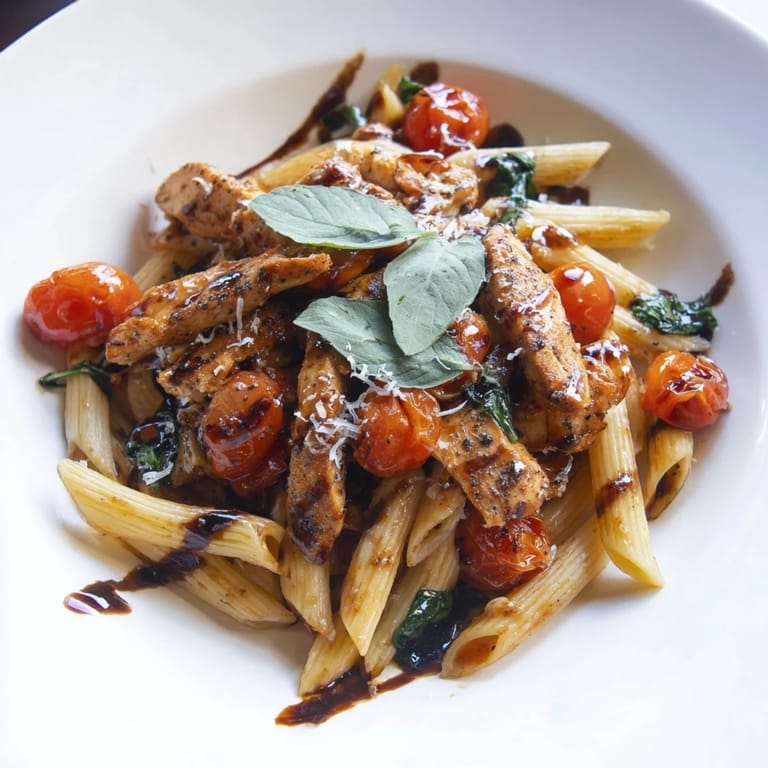
 There's something about the smell of balsamic vinegar hitting a hot pan that makes you feel like you're cooking in someone's Italian kitchen, even if you're standing in your own apartment on a random Tuesday. I stumbled onto this dish when I had chicken breasts that needed using and a bottle of balsamic that had been sitting in my pantry for months—nothing fancy, just working with what I had. The first time I made it, I didn't plan to glaze anything, but once that vinegar started reducing and the chicken caught those sweet, tangy fumes, I knew I'd found something special. It's become the meal I reach for when I want dinner to feel a little more intentional without actually spending much time on it.
I made this for my sister on a Friday night when she showed up tired from work, and she actually sat at the counter while I cooked instead of scrolling her phone—that's when I knew it was a keeper. She watched the chicken turn golden, smelled that garlic blooming in the oil, and by the time the pasta hit the pan, she was asking if I'd made this before or if it was something I invented on the spot. That's the magic of it, really—it feels both simple and impressive at the same time.
Ingredients
- Chicken breasts: Slice them thin so they cook fast and soak up that glaze like little golden sponges—I learned the hard way that thick pieces don't get that sticky coating you're after.
- Penne or spaghetti: Either works, but penne catches the sauce better if you're not careful with your tossing.
- Garlic: Fresh and minced makes all the difference; jarred tastes like metal when it hits hot oil.
- Cherry tomatoes: They soften into almost-candy when they're cooked, adding brightness without needing tomato sauce.
- Baby spinach: Wilts in seconds, so toss it in last—it's your little green surprise at the end.
- Balsamic vinegar: This is where the soul of the dish lives; don't cheap out here because it's the only time you taste it raw.
- Honey: Balances the vinegar's tang so your mouth doesn't pucker—a small spoonful changes everything.
- Dijon mustard: Adds a subtle heat that makes people wonder what your secret ingredient is.
- Olive oil: Use your decent everyday oil, not the fancy stuff—save that for drizzling after.
- Italian herbs: Dried is perfect here because fresh would burn on the hot chicken.
- Parmesan: A shower of it at the end ties everything together with umami.
- Fresh basil: Optional but worth buying—torn leaves scattered on top taste like you actually tried.
Tired of Takeout? 🥡
Get 10 meals you can make faster than delivery arrives. Seriously.
One email. No spam. Unsubscribe anytime.
Instructions
- Get your pasta water boiling:
- Salt it like the sea—this is the only time you're seasoning the pasta itself. Start this first because everything else moves fast once you begin.
- Cook the pasta:
- Follow the box timing for al dente; I usually pull it about 30 seconds early because it keeps cooking when you toss it in the warm sauce. Grab a mug of that starchy pasta water before you drain—you'll need it.
- Sear the chicken:
- Heat oil until it shimmers, then lay in your thin chicken strips. Don't move them around for the first couple minutes or they'll steam instead of getting golden. Once they're cooked through and catching color, slide them onto a plate.
- Wake up the garlic:
- In the same pan, add a bit more oil and let garlic sizzle for maybe 30 seconds—you want fragrant, not brown. Throw in your halved tomatoes and let them pop and soften for a few minutes.
- Make the glaze:
- In a small bowl, whisk together your balsamic, honey, mustard, and last bit of oil. This mixture is what makes the whole dish sing, so don't skip the whisking—it emulsifies and becomes silky.
- Bring it all together:
- Return the chicken to the pan, pour that glaze over everything, and let it bubble and thicken for a couple minutes. You'll see it start to coat the chicken—that's your cue it's working.
- Add pasta and spinach:
- Toss the cooked pasta in with the chicken and sauce, throw in that spinach, and stir until the greens wilt and everything's coated. Add pasta water a splash at a time until it looks like a sauce rather than a jumble of ingredients.
- Finish and serve:
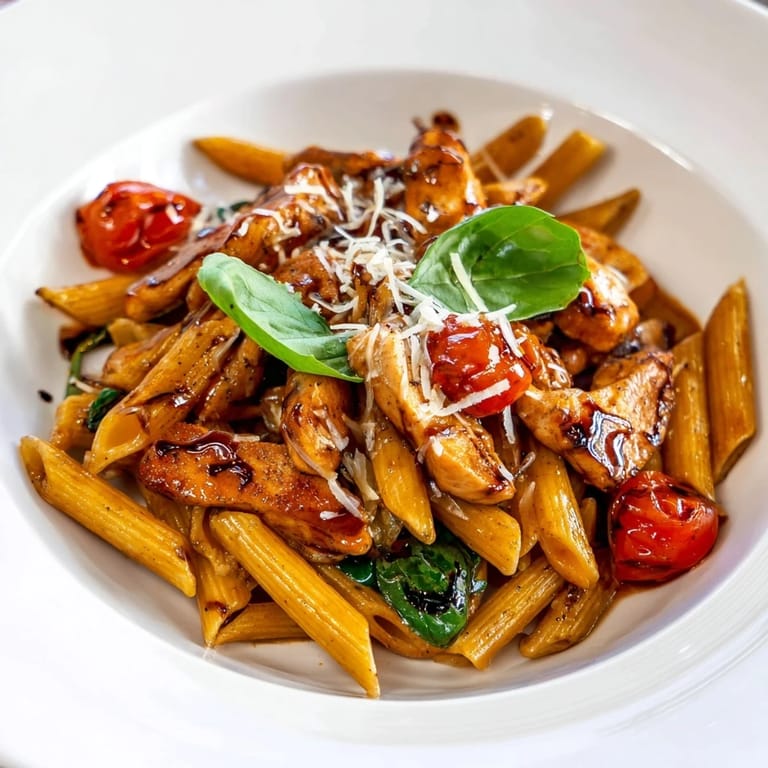
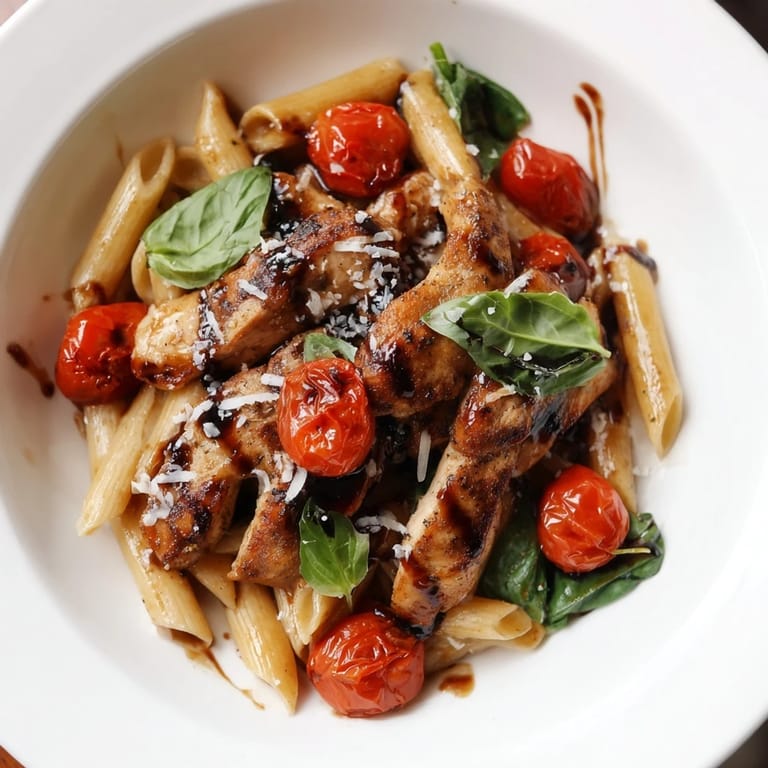
- Taste for salt and pepper, top with Parmesan, scatter basil if you have it, and eat while it's still steaming.
 Save to Pinterest
 My favorite moment with this dish happened when I was cooking it for someone on a first date—terrifying, right? Except halfway through, they leaned over and said it smelled like a restaurant, and I realized that sometimes simple food made with a little care is exactly what impresses people. That's when this stopped being just a weeknight dinner for me and became something I make when I want to feel good about what's on my plate.
Why This Works So Well
The magic is in the contrast—sweet balsamic against savory chicken, soft pasta against the slight firmness of those tomatoes, rich olive oil balanced by bright vinegar. Every element serves a purpose, and none of them overpower the others. It's the kind of dish where you taste four things at once and somehow they make sense together instead of fighting.
The Balsamic Question
I used to think all balsamic vinegar was the same until I tried the expensive stuff once and realized the difference is real. The cheap versions are okay, but if you're already at the store anyway, spend two extra dollars on something that says "aged"—it tastes rounder and less harsh when it hits the heat. I keep a really good bottle for finishing dishes like this one, where the vinegar is the star instead of hiding in the background.
Variations and When to Try Them
The beauty of this dish is how it takes changes without complaining. Swap the spinach for arugula if you want something peppery, use mushrooms if you're vegetarian, or throw in some red pepper flakes if you like heat. The structure stays strong no matter what you swap, which means you can cook it a dozen times and it never feels old.
- Add a splash of balsamic reduction right at the end for depth, or use sun-dried tomatoes instead of fresh for a richer flavor.
- Serve it over risotto instead of pasta if you're feeling fancy, or use a gluten-free pasta without changing anything else.
- Pair it with whatever wine you like—I've had it with Pinot Noir, Sauvignon Blanc, or honestly just sparkling water if that's what's in the fridge.
 Save to Pinterest
 This is the dish I make when I want to remember that good food doesn't require complexity, just intention and a few things that taste good together. It'll become one of yours too.
Common Recipe Questions
- → What pasta works best in this dish?
Penne or spaghetti are ideal for coating with the balsamic glaze and sauce, but any firm pasta shape works well.
- → How can I ensure the chicken stays tender?
Slice the chicken breasts thinly and sauté over medium-high heat until just cooked through to keep them juicy and tender.
- → Can I substitute spinach with other greens?
Yes, arugula or kale can be used for a peppery or earthy twist that complements the balsamic flavors.
- → What is the role of the reserved pasta water?
The reserved pasta water helps create a silky sauce that evenly coats the pasta and ingredients.
- → How can I add more depth to the glaze?
Adding a splash of extra balsamic reduction just before serving intensifies the tangy sweetness.