 Save to Pinterest
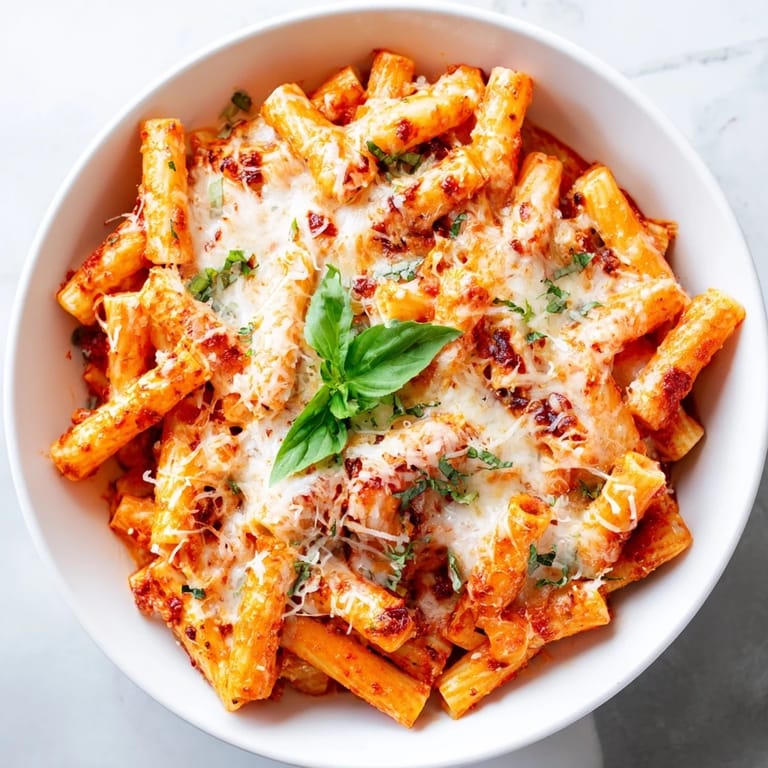
 The first time I made this, I wasn't trying to reinvent anything—just wanted pasta without the fuss of balancing a plate and sauce at the dinner table. That's when baked penne arrabbiata became my secret weapon for nights when friends dropped by and I needed something that looked effortless but tasted like I'd been thinking about it all day. There's something about the way the cheese bubbles on top, how the kitchen fills with that sweet-spicy tomato aroma as it bakes, that makes people feel genuinely cared for.
My neighbor Marco watched me assemble this one afternoon and asked if I was making something 'his nonna would approve of.' I told him honestly—no, this is faster, messier, and probably a little too much cheese by Roman standards. But he came back for seconds anyway, and even pulled me aside to ask if the heat level could go higher. That moment sealed it for me; sometimes the best dishes aren't the most authentic, they're just the ones that bring people back to your table.
Ingredients
- Penne pasta (350 g / 12 oz): Buy good quality if you can; cheaper pasta absorbs sauce unevenly and turns mushy when baked.
- Olive oil (2 tbsp): This is your flavor foundation—don't skimp on quality here.
- Garlic (4 cloves, finely chopped): Slice it thin and watch it carefully in the oil; burned garlic tastes bitter and ruins everything.
- Crushed red pepper flakes (1–2 tsp): Start low and taste as you go; you can always add more heat, but you can't take it back.
- Canned crushed tomatoes (800 g / 28 oz): San Marzano if your budget allows, but honestly, any quality brand works.
- Sugar (1 tsp): This tiny amount balances acidity in the tomatoes; it's subtle but necessary.
- Dried oregano (1 tsp): Use your fingers to crush it slightly before adding—releases more flavor.
- Salt and black pepper (½ tsp and ¼ tsp): Taste the sauce before the pasta goes in; you might need to adjust.
- Fresh basil (1 small bunch, chopped): Reserve a pinch for garnish; it brightens the final dish visually and flavor-wise.
- Parmesan cheese (80 g / ¾ cup, grated): Grate it yourself if possible; pre-grated has anti-caking agents that affect melting.
- Mozzarella cheese (150 g / 1½ cups, shredded): Whole milk mozzarella stretches better when it bakes than low-fat varieties.
Tired of Takeout? 🥡
Get 10 meals you can make faster than delivery arrives. Seriously.
One email. No spam. Unsubscribe anytime.
Instructions
- Heat the oven and prep your dish:
- Set your oven to 200°C (400°F) and lightly grease a large baking dish—a 2-liter capacity works perfectly. You'll thank yourself later when cleanup is quick.
- Cook the pasta until just short:
- Bring a large pot of salted water to a rolling boil and add the penne. Cook it about 2 minutes less than the box instructions tell you; it'll finish cooking in the oven and firm up as it bakes, so undercooked is your goal here.
- Build the base sauce:
- While pasta cooks, heat olive oil in a large skillet over medium heat. Add your finely chopped garlic and red pepper flakes, stirring constantly for 1–2 minutes until fragrant—watch carefully because the line between fragrant and burned is thin and quick.
- Simmer the tomato foundation:
- Stir in the crushed tomatoes, sugar, oregano, salt, and pepper. Let it bubble gently for 10–12 minutes, stirring occasionally, until the sauce thickens slightly and the raw tomato taste softens into something rich. The kitchen will smell incredible at this point.
- Finish with fresh basil:
- Remove from heat and stir in most of your chopped basil, holding back a small handful for garnish. Taste the sauce now and adjust salt, pepper, or red pepper flakes if needed.
- Toss pasta with sauce:
- Add your drained penne to the skillet and gently toss until every piece is coated. The warm pasta will soak up the sauce quickly, which is exactly what you want.
- Layer in the baking dish:
- Transfer half the sauced pasta to your greased baking dish and sprinkle with half the Parmesan and half the mozzarella. Layer the remaining pasta on top and finish with the remaining cheeses. This creates pockets of melted cheese throughout instead of a single crust.
- Bake until golden and bubbling:
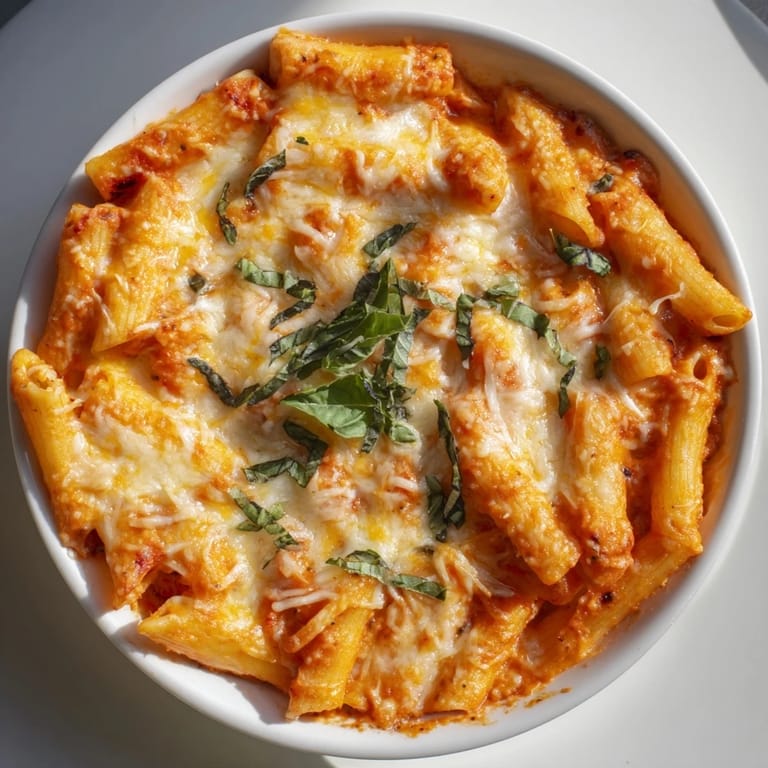
- Slide the dish into your preheated oven for 18–20 minutes. You're looking for the cheese to melt and turn golden at the edges, and the sauce to bubble visibly around the sides of the dish. If your cheese isn't browning, move the rack higher.
- Rest and serve:
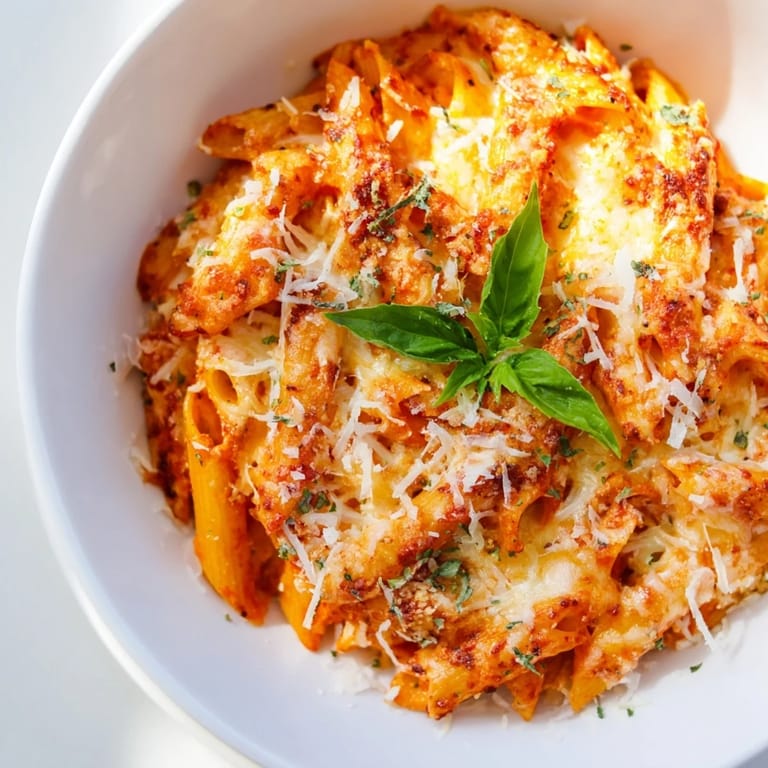
- Let the baked pasta sit for 5 minutes before serving; this helps it set slightly so each spoonful holds together. Garnish with that reserved fresh basil and serve hot straight from the dish.
 Save to Pinterest
 There was a moment during one family dinner when my youngest bit into a forkful, got hit with the heat, and made the funniest face—not upset, just genuinely surprised. Then she took another bite, and another, asking for extra basil because she'd decided the green was 'cooling down the spicy.' That's when I realized this dish had stopped being just food; it became a small adventure at the table, a shared experience where everyone could control their own heat level and make it theirs.
Adjusting the Heat to Your Preference
Arrabbiata means 'angry' in Italian, and that anger comes from the red pepper. If you like gentle warmth, start with just 1 teaspoon of flakes and taste as you go. If you're a heat-seeker, don't dump in all 2 teaspoons at once—add half, let it simmer, then taste before committing to the rest. Some people finish with a pinch of chili powder or freshly cracked black pepper instead of more red pepper flakes; it gives heat with a different flavor profile that can be interesting.
Cheese Choices and Swaps
Mozzarella is traditional because it melts into those gorgeous strings and browns evenly, but I've had success with provolone (sharper flavor, less stretch) and fontina (buttery, complex taste). Mix and match based on what's in your fridge or what flavor you're craving. Just make sure whatever you choose is decent quality; low-end cheese won't melt smoothly and leaves greasy puddles instead of a cohesive top.
Building Flavor Beyond the Recipe
Once you master the basic method, you can play. Some nights I add sautéed mushrooms or thin bell pepper strips to the sauce for texture; others, I stir in a handful of fresh spinach just before baking. A few chopped olives or a splash of red wine in the sauce add depth without changing the core dish.
- Sauté any extra vegetables in the same oil before adding garlic if you want to include them.
- Don't add wet vegetables like zucchini or tomatoes; they'll release water and make the pasta soggy.
- Keep any additions to roughly one cup total so the cheese-to-sauce ratio stays balanced.
 Save to Pinterest
 This baked penne arrabbiata has become the dish I make when I want everyone to feel welcomed and satisfied without me disappearing into the kitchen all night. It's straightforward enough that even my partner can handle it on a weeknight, but special enough that guests always ask for the recipe.
Common Recipe Questions
- → What pasta is best for baking in this dish?
Penne is ideal due to its tube shape, which holds the sauce well and provides a pleasing texture after baking.
- → How can I adjust the spiciness level?
Modify the amount of crushed red pepper flakes to suit your heat preference; adding more increases the fiery kick.
- → Can I substitute the cheeses used?
Yes, mozzarella can be replaced with provolone or fontina for a different flavor profile, while Parmesan adds sharpness.
- → Is it necessary to pre-cook the pasta?
Partially cooking the penne before baking ensures it finishes perfectly al dente when baked with the sauce and cheese.
- → What herbs enhance the sauce best?
Fresh basil and dried oregano complement the spicy tomato sauce with aromatic and savory notes.
- → How long should the baked pasta rest before serving?
Allowing it to rest for about 5 minutes helps the layers set and enhances the overall texture and flavor.