 Save to Pinterest
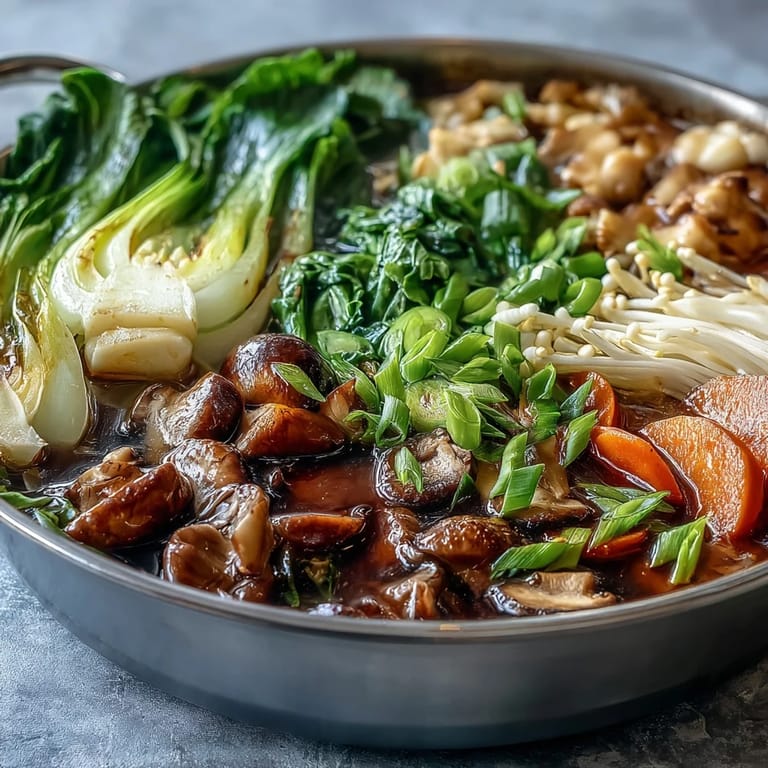
 The steam rising from the hot pot creates this invisible warmth that brings everyone closer together. I first experienced hot pot at a tiny spot in Flushing where the air hung heavy with star anise and laughter, everyone leaning over bubbling broth, cooking together while sharing stories. There is something magical about the interactive nature of this meal that turns dinner into an event rather than just sustenance. My friends and I spent three hours there, barely noticing the time passing between sips of broth and perfectly cooked noodles.
Last winter during a particularly brutal cold snap, my neighbor texted saying she had all the ingredients but no one to share them with. We set up her portable burner on the coffee table, wrapped in blankets with steam fogging up the windows, and cooked through three different broth variations while watching old movies. That night reminded me that the best meals are not just about what is on the plate but who is sitting around it.
Ingredients
- 2.5 liters chicken or vegetable broth: This forms the foundation of everything, so use a high quality broth or make your own for the deepest flavor possible
- 2 cloves garlic, sliced: Slice these thin rather than mincing so they infuse the broth without becoming bitter or overpowering
- 1 piece (5 cm) fresh ginger, sliced: Do not bother peeling the ginger, just give it a good scrub and slice it into coins
- 2 tablespoons soy sauce: This adds the essential umami base that carries all the other flavors
- 1 tablespoon rice vinegar: The acid cuts through the richness and brightens the whole broth beautifully
- 1 tablespoon sesame oil: Toasted sesame oil adds that unmistakable nutty warmth that makes it taste authentic
- 2 dried shiitake mushrooms: These dried mushrooms deepen the broth in ways fresh ones never could
- 1 small chili, sliced: Leave the seeds in if you want noticeable heat, or remove them for just a gentle background warmth
- 300 g thinly sliced beef, chicken, pork, or tofu: Ask your butcher to slice these paper thin, or freeze for 20 minutes before slicing yourself
- 200 g shrimp, peeled and deveined: Keep these small so they cook quickly and evenly
- 200 g firm tofu, cubed: Press the tofu for 15 minutes before cubing so it absorbs more flavor and does not fall apart
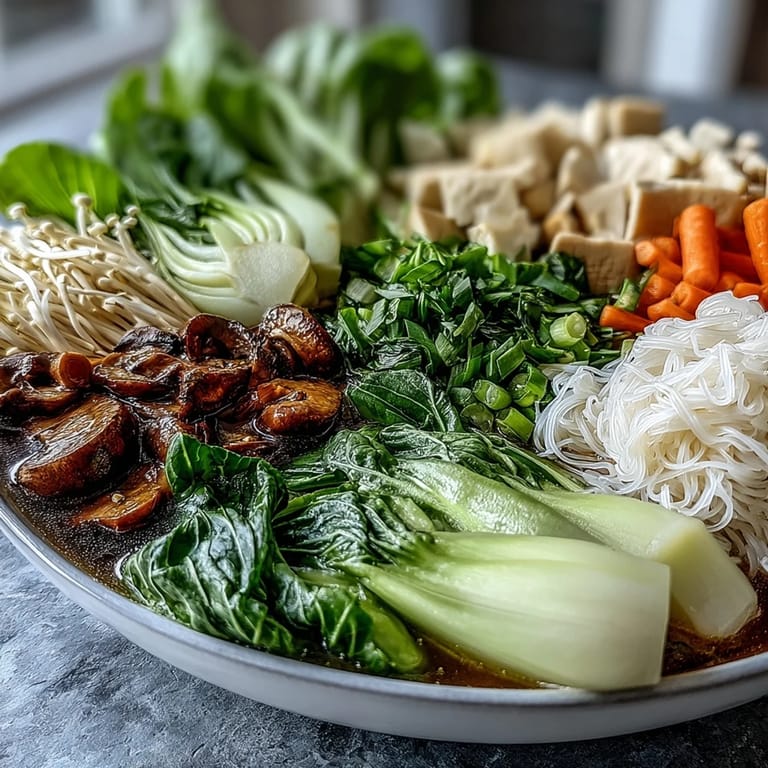
- 200 g Napa cabbage, chopped: This adds sweetness and becomes silky soft in the broth
- 150 g baby bok choy, halved: The stems stay crunchy while the leaves wilt into the broth
- 100 g mushrooms, sliced: Use a mix of varieties for different textures and earthy notes
- 1 medium carrot, thinly sliced: Slice these on the diagonal for more surface area and faster cooking
- 100 g snow peas: These stay crisp even after a quick dip in the hot broth
- 1 small corn on the cob, sliced into rounds: These little wheels look beautiful and taste naturally sweet
- 1 bunch scallions, cut into 5 cm pieces: Both the white and green parts add different layers of flavor
- 200 g rice noodles or glass noodles: Soak these ahead of time so they are ready to go when everyone is hungry
Tired of Takeout? 🥡
Get 10 meals you can make faster than delivery arrives. Seriously.
One email. No spam. Unsubscribe anytime.
Instructions
- Build the foundation:
- Combine broth, garlic, ginger, soy sauce, rice vinegar, sesame oil, dried shiitake mushrooms, and chili in a large pot. Bring it to a rolling boil, then reduce to a gentle simmer and let it develop for at least 30 minutes so the flavors can really marry and deepen.
- Prep like a pro:
- Arrange all proteins and vegetables on separate platters or cutting boards for easy access. Group similar ingredients together and keep raw proteins away from vegetables until they hit the broth to prevent any cross contamination.
- Get the noodles ready:
- Soak rice noodles or glass noodles in warm water according to the package directions. Drain them well and set aside so they do not stick together.
- Set the stage:
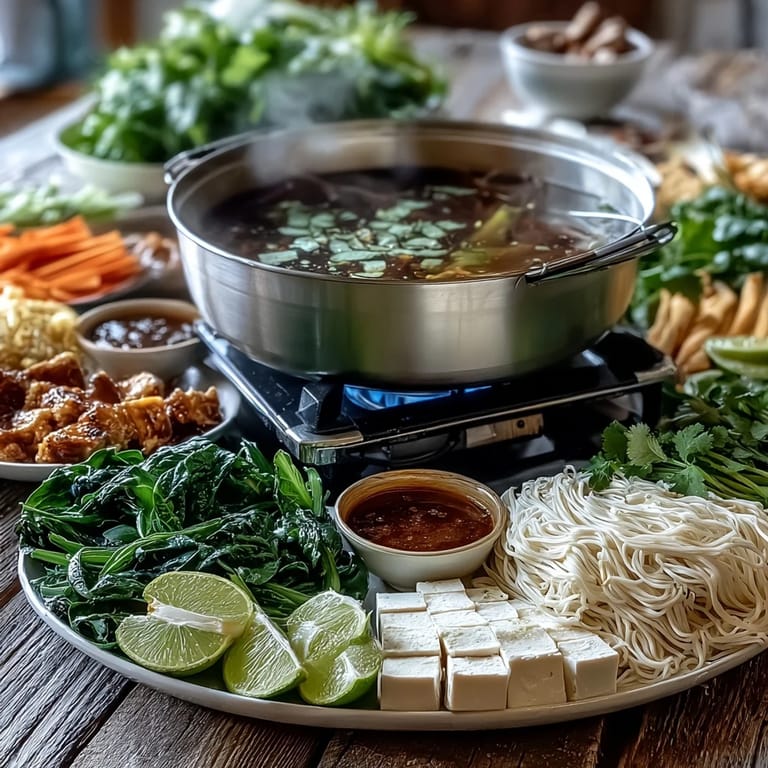
- Set up your portable burner or induction cooktop at the center of the table with a wide, shallow pot. Strain the broth into the pot and bring it to a gentle simmer right at the table.
- Cook together:
- Each diner selects ingredients to cook in the simmering broth using chopsticks or slotted spoons. Proteins typically cook in 1 to 3 minutes while vegetables and noodles take about 2 to 5 minutes depending on how you like them.
- Make it your own:
- Serve each cooked item immediately with your choice of dipping sauces and fresh garnishes. Everyone can mix and match flavors at their own pace throughout the meal.
 Save to Pinterest
  Save to Pinterest
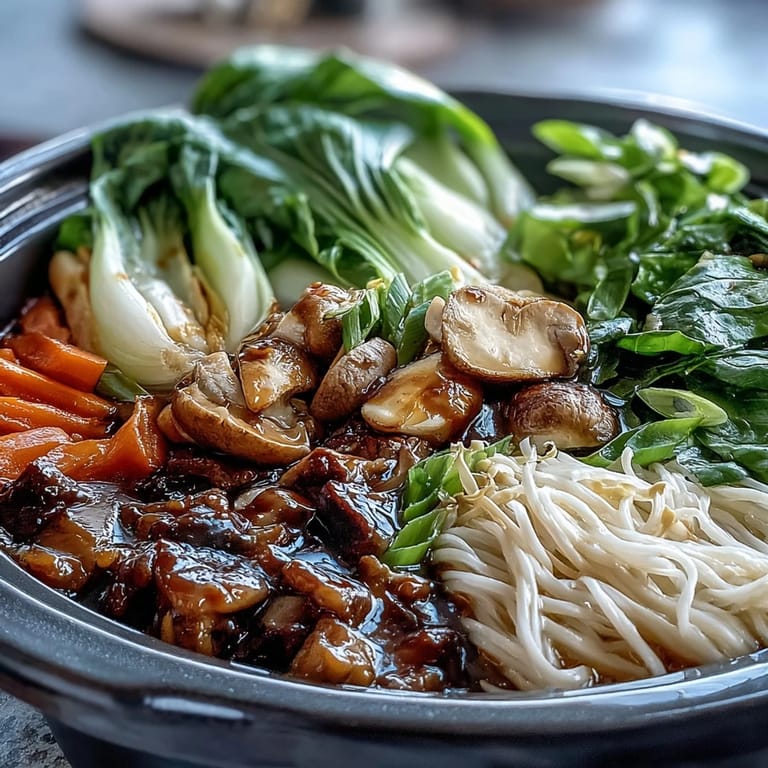
 After that first hot pot experience in Flushing, I started hosting monthly hot pot nights whenever the weather turned cold. Friends started bringing their own favorite ingredients and sauce combinations, turning each meal into a unique collaborative experiment. Those nights became the highlight of winter, proving that the best recipes are the ones that bring people together again and again.
Setting Up Your Station
The logistics matter more than you might think when it comes to hot pot success. I learned this the hard way when I put the portable burner too close to the edge of the table and spent the whole evening worrying about accidents. Give yourself plenty of workspace for platters, bowls, and sauce stations, and make sure everyone can reach the central pot safely.
Building Your Sauce Game
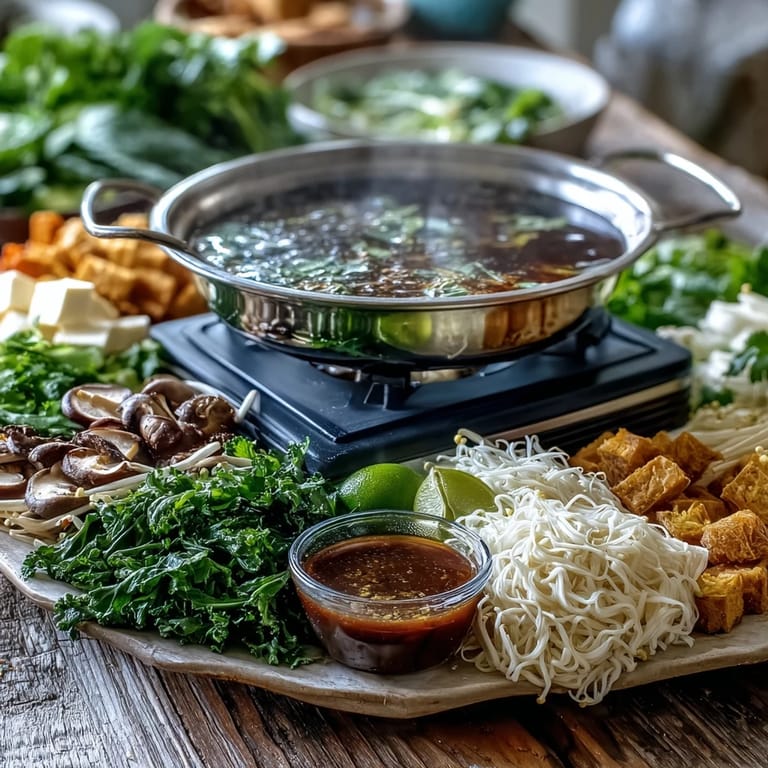
The dipping sauces are where hot pot becomes deeply personal. My go to is always soy sauce with chili oil and a splash of vinegar, but friends have introduced me to combinations involving sesame paste, raw egg, fermented bean curd, and even peanut butter. Set out small bowls and let everyone experiment until they find their perfect blend.
Timing Your Cooking
There is an art to knowing when each ingredient hits its sweet spot in the broth. Leafy greens need just ten seconds to wilt while dense vegetables require a few minutes to become tender. Proteins like beef and shrimp cook in seconds, so pay attention and remove them before they become rubbery.
- Start with hearty vegetables that take longer to cook so they can simmer while you prep everything else
- Cook proteins individually rather than throwing them all in at once to maintain the broth clarity
- Save the noodles for last when the broth has reached its maximum flavor development
 Save to Pinterest
  Save to Pinterest
 Hot pot has become my answer to almost every gathering question because it turns eating into an activity. The broth keeps bubbling, the ingredients keep disappearing, and somehow the conversation always flows as easily as the soup.
Common Recipe Questions
- → What is hot pot dining?
Hot pot is a communal Asian dining experience where diners cook raw ingredients in a shared pot of simmering broth at the table, customizing each bite to their preference.
- → How long does the broth need to simmer?
The broth should simmer gently for at least 30 minutes to develop deep aromatic flavors from the ginger, garlic, dried mushrooms, and seasonings before serving.
- → Can I make this vegetarian or vegan?
Absolutely. Use vegetable broth instead of chicken, replace animal proteins with extra tofu, mushrooms, or dumplings, and skip shellfish ingredients.
- → What equipment do I need?
You'll need a portable burner or induction cooktop, a large shallow pot, slotted spoons or strainers, chopsticks, and individual soup bowls for serving.
- → How do I control the cooking time?
Thinly sliced proteins cook in 1-3 minutes, while vegetables and noodles take 2-5 minutes. Diners can remove ingredients as soon as they reach their desired texture.