 Save to Pinterest
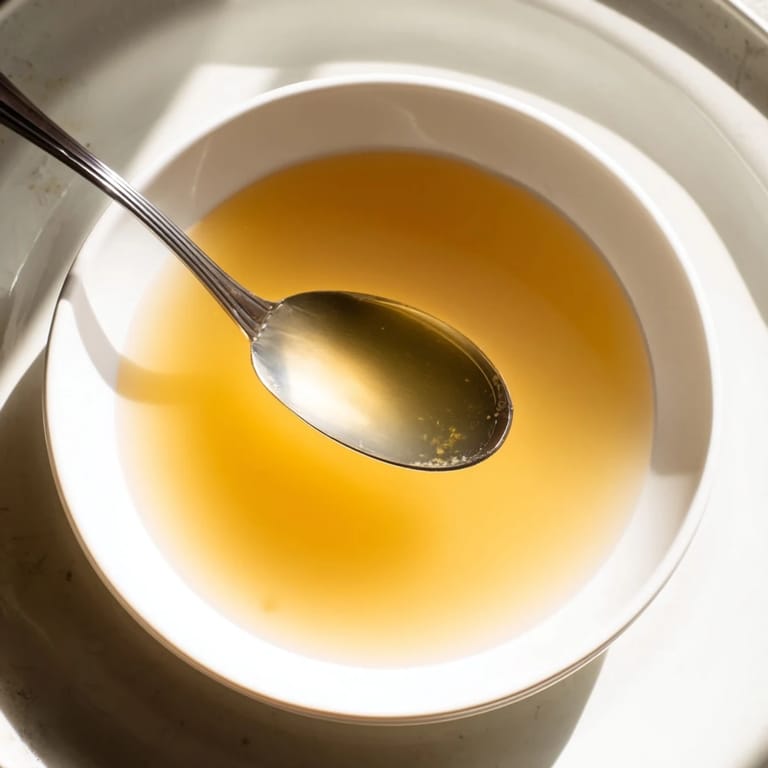
 I started saving vegetable scraps in a freezer bag after reading about zero-waste cooking, but I didn't actually believe it would work until I smelled the broth simmering on a cold Sunday afternoon. The kitchen filled with a warmth that felt earned, not bought. What had been destined for the compost bin turned into something I wanted to sip from a mug. That first batch taught me that flavor doesn't always come from a store, sometimes it's been hiding in plain sight all along.
The first time I made this for a friend recovering from a cold, she called it liquid comfort. I hadn't added anything fancy, just the usual peels and ends I'd been collecting for weeks. She drank it slowly, holding the mug with both hands, and said it tasted like care. I realized then that this recipe wasn't just about saving scraps, it was about creating something intentional from what we usually overlook.
Ingredients
- Vegetable Scraps (5 to 6 cups assorted trimmings): Carrot peels, onion skins, celery ends, leek tops, mushroom stems, and garlic skins all work beautifully. I keep a gallon bag in the freezer and toss scraps in as I cook throughout the week.
- Bay Leaves (2): They add a subtle herbal backbone that rounds out the broth without overpowering it.
- Black Peppercorns (8 to 10 whole): These bring a gentle warmth and depth. Don't skip them, they make a noticeable difference.
- Garlic (2 cloves, smashed, optional): I almost always add garlic because it deepens the savory notes and makes the whole pot smell incredible.
- Fresh Parsley or Thyme (1 small handful, optional): Any leftover herb stems work here. They brighten the flavor and use up what would otherwise be tossed.
- Salt (1 to 2 teaspoons, to taste): Start with less and adjust at the end. You can always add more, but you can't take it back.
- Cold Water (2 liters or 8 cups): Cold water helps extract flavor slowly and evenly as it heats up.
Tired of Takeout? 🥡
Get 10 meals you can make faster than delivery arrives. Seriously.
One email. No spam. Unsubscribe anytime.
Instructions
- Gather Your Scraps:
- Use clean, fresh vegetable trimmings and avoid anything bitter like broccoli, Brussels sprouts, or large amounts of cabbage. I learned this the hard way after a batch turned out unpleasantly sharp.
- Combine Everything in the Pot:
- Place the scraps, bay leaves, peppercorns, garlic, herbs, and salt into a large stockpot, then pour in the cold water. It should just cover everything comfortably.
- Bring to a Boil, Then Simmer:
- Heat the pot over medium-high until it reaches a gentle boil, then lower the heat to maintain a steady simmer. You want small bubbles breaking the surface, not a rolling boil.
- Simmer and Skim:
- Let it simmer uncovered for 1 hour, occasionally skimming off any foam that rises to the top. This keeps the broth clear and clean-tasting.
- Taste and Adjust:
- After an hour, taste the broth and add more salt if needed. The flavor should be balanced and full, not flat or overly salty.
- Strain and Store:
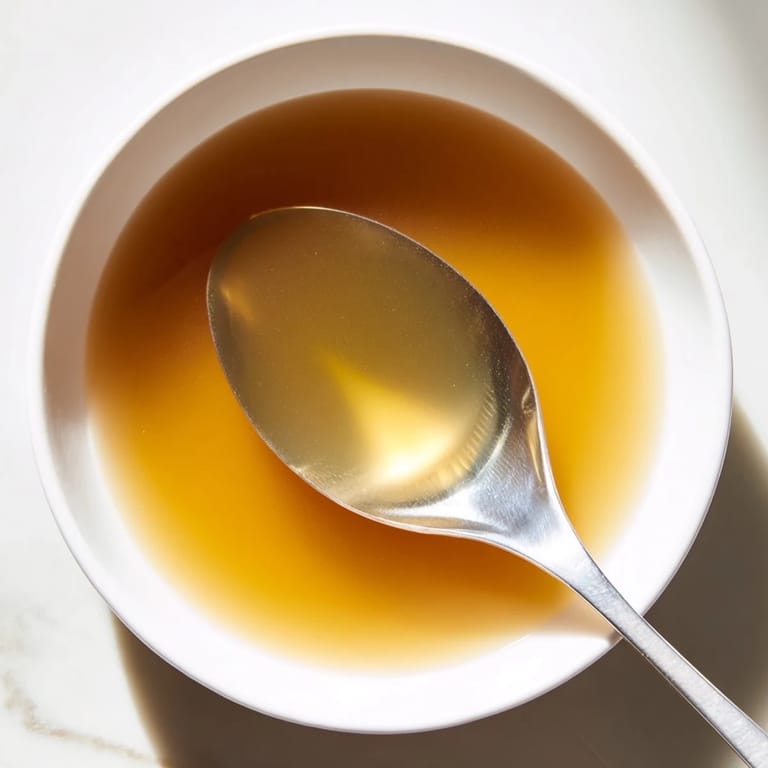
- Pour the broth through a fine-mesh sieve or cheesecloth into a large bowl, pressing gently on the solids to extract every drop. Let it cool, then refrigerate for up to 5 days or freeze for up to 3 months.
 Save to Pinterest
 One evening, I used this broth as the base for a simple noodle soup when I didn't have much else in the house. My partner said it was the best soup I'd ever made, and I didn't have the heart to tell him it started as garbage. That's when I stopped thinking of this as a frugal trick and started seeing it as a quiet kind of magic.
What to Save and What to Skip
I save carrot peels, onion skins, celery ends, leek tops, mushroom stems, garlic skins, herb stems, and potato peels. Fennel fronds, tomato ends, and bell pepper cores also work beautifully. I avoid anything from the cabbage family, beet peels (they turn the broth pink), and anything moldy or slimy. If it smells off or looks questionable, it doesn't go in the bag.
Storage and Freezing Tips
I portion the cooled broth into quart-sized containers or silicone muffin molds for smaller amounts. The molds are especially handy when you just need a splash for deglazing a pan or cooking grains. Label everything with the date, and remember that frozen broth stays good for up to three months. I've forgotten about a batch for four months and it was still fine, but I try not to push it.
Ways to Use Your Broth
This broth works as a base for any soup, a cooking liquid for rice or quinoa, or a gentle sipping broth when you're feeling under the weather. I also use it to deglaze pans after sauteing vegetables or to thin out sauces that get too thick. Sometimes I just heat a cup and drink it plain with a pinch of miso stirred in.
- Add a piece of kombu or dried shiitakes while simmering for a deeper umami flavor.
- Freeze leftover broth in ice cube trays for small cooking tasks.
- Taste before seasoning any dish, this broth can be saltier or milder depending on your scraps.
 Save to Pinterest
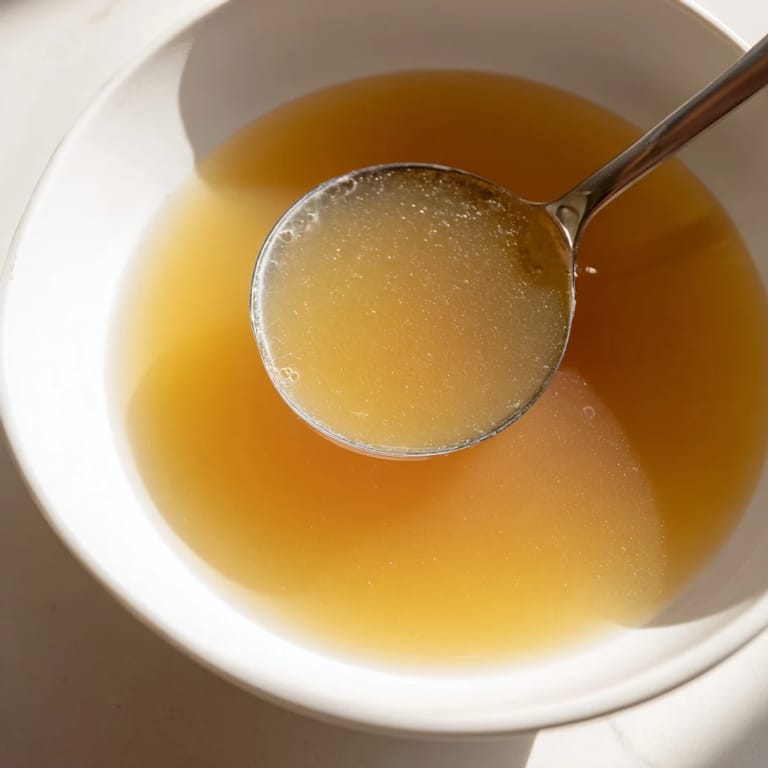
 There's something deeply satisfying about turning what most people throw away into something this good. It's a small act, but it makes the whole kitchen feel a little more intentional.
Common Recipe Questions
- → What vegetable scraps work best for broth?
Carrot peels, onion skins, celery ends, leek tops, mushroom stems, garlic skins, and herb stems are ideal. Avoid cruciferous vegetables like broccoli, cauliflower, and cabbage, which can impart bitter flavors. Potato peels also work well.
- → How should I store vegetable scraps?
Keep a freezer bag in your kitchen for vegetable trimmings. Collect scraps over time until you have 5–6 cups, then make broth. This approach reduces waste and lets you make broth on your schedule.
- → Can I enhance the flavor of the broth?
Yes. Add kombu or dried shiitakes for umami depth. Fresh herbs like thyme or bay leaves intensify the aromatics. Adjust salt to taste at the end. For a richer broth, simmer slightly longer or add more aromatic vegetables.
- → How long can I keep homemade broth?
Refrigerate in airtight containers for up to 5 days. For longer storage, freeze in ice cube trays, freezer bags, or containers for up to 3 months. Thaw in the refrigerator or gently reheat on the stovetop.
- → Is this broth suitable for restricted diets?
Yes. This broth is naturally vegan, gluten-free, and low in fat. It contains only vegetables, water, and seasonings. Always verify that store-bought or processed scraps are allergen-free if you have specific dietary concerns.
- → Why should I skim foam during simmering?
Skimming removes impurities and excess starch that rise to the surface, resulting in a clearer, cleaner-tasting broth. This step improves the final texture and flavor of your finished stock.