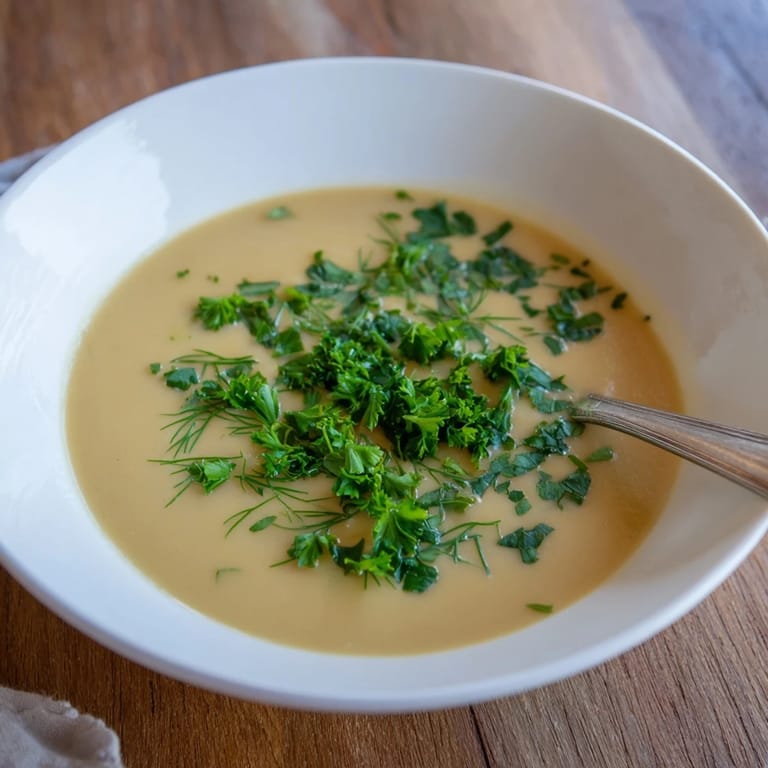
 Save to Pinterest
 One October afternoon, I found myself with a bag of parsnips I'd impulsively bought at the farmers market, drawn in by their knobbly charm but with no real plan. I roasted them simply with olive oil, and the smell that filled the kitchen was like caramelized honey with a whisper of earth. That sweetness made me think of soup, something warm and smooth to carry me through the week. I threw in what I had: an onion, some celery, a lone potato, and fresh herbs from the windowsill. The result was so comforting, so unexpectedly elegant, that it became my quiet weekend ritual.
I made this for a friend who was recovering from a cold, ladling it into a thermos and delivering it with a little jar of chopped herbs on the side. She texted me later that night saying it tasted like being tucked in. That stuck with me. Sometimes the simplest bowls carry the most care, and this one does it without any fuss or fancy techniques.
Ingredients
- Parsnips: The star here, their sweetness deepens beautifully when roasted until golden and slightly caramelized at the edges.
- Onion: Diced medium onion adds a gentle savory backbone without overpowering the parsnips delicate flavor.
- Garlic cloves: Two cloves minced fine bring warmth and a subtle aromatic lift to the base.
- Potato: This helps thicken the soup naturally and gives it body, making the blended texture even silkier.
- Celery stalk: One sliced stalk adds a quiet vegetal note and a bit of structure to the broth.
- Olive oil: Used both for roasting and sautéing, it coats everything with a smooth, fruity richness.
- Vegetable stock: A liter of good stock is the soup's foundation, so use one you'd happily sip on its own.
- Sea salt and black pepper: Season thoughtfully, tasting as you go, since the parsnips and stock both bring their own character.
- Double cream or crème fraîche: Optional but wonderful, it adds a velvety finish and rounds out the flavors gently.
- Fresh herbs: Parsley, chives, dill, and tarragon bring brightness and a pop of color that makes each spoonful feel alive.
Tired of Takeout? 🥡
Get 10 meals you can make faster than delivery arrives. Seriously.
One email. No spam. Unsubscribe anytime.
Instructions
- Roast the parsnips:
- Preheat your oven to 200°C (400°F). Toss the parsnip chunks with a tablespoon of olive oil and a pinch of salt, spread them on a baking tray, and roast for 25 to 30 minutes, turning once, until they're golden and tender with caramelized edges.
- Sauté the aromatics:
- While the parsnips roast, heat the remaining olive oil in a large saucepan over medium heat. Add the onion, garlic, celery, and potato, and sauté for 5 to 7 minutes until everything softens and smells sweet but hasn't taken on any color.
- Simmer the soup:
- Add the roasted parsnips to the pan, pour in the vegetable stock, and bring it all to a gentle boil. Lower the heat and let it simmer for 10 to 15 minutes until every vegetable is completely soft and tender.
- Blend until silky:
- Remove the pan from the heat and blend the soup with a stick blender, or carefully transfer it in batches to a countertop blender, until it's completely smooth and velvety. Take your time here, the texture is everything.
- Finish and serve:
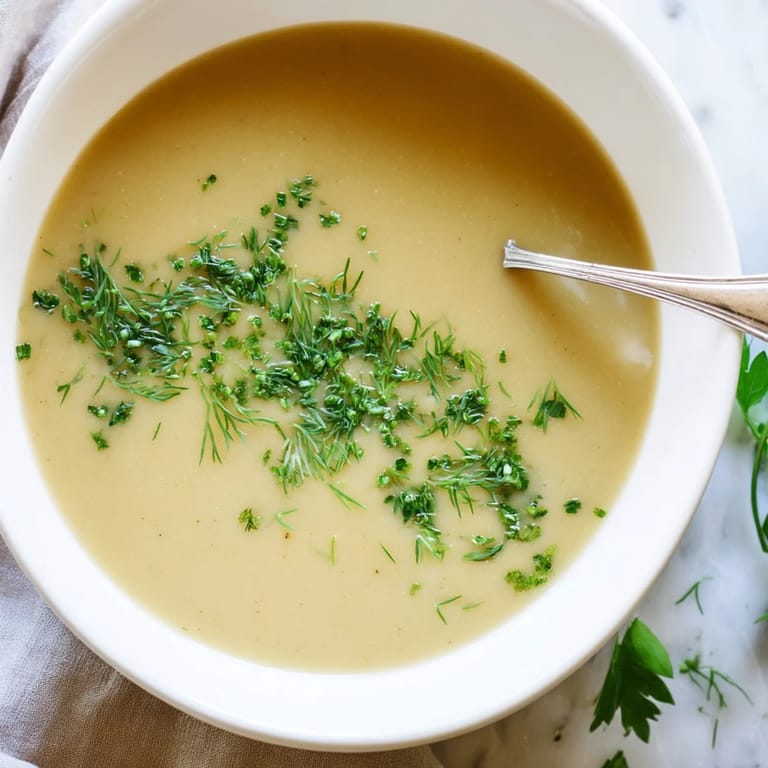
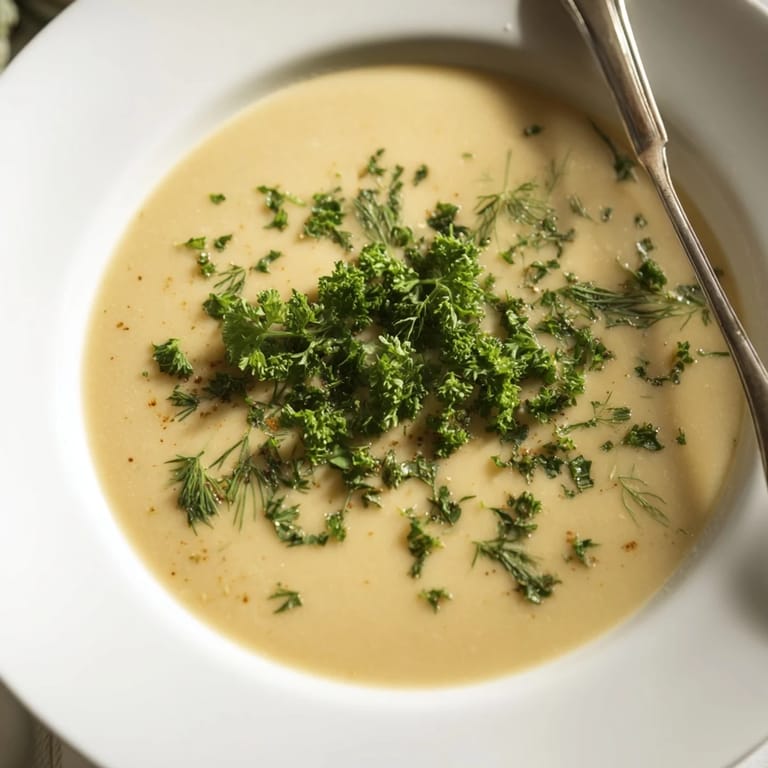
- Stir in the cream or crème fraîche if using, then taste and adjust the seasoning with salt and pepper. Reheat gently if needed, ladle into bowls, and top generously with your fresh chopped herbs.
 Save to Pinterest
 The first time I served this at a small dinner, I worried it might be too simple, too plain. But as we passed the bowls around, spooning herbs over the top, someone said it tasted like the kind of thing you'd make if you actually loved cooking. That quiet compliment meant more than any elaborate praise ever could.
Making It Your Own
This soup is endlessly adaptable depending on what's in your fridge or garden. Swap the potato for a parsnip or two more if you want it sweeter, or add a handful of spinach at the end for color. I've made it with coconut milk instead of cream when I wanted a dairy free version, and it was just as luscious. You can even stir in a pinch of curry powder or cumin while sautéing the onions for a warmer, spicier direction.
Storing and Reheating
This soup keeps beautifully in the fridge for up to four days in an airtight container, and it actually tastes even better the next day as the flavors settle. Reheat gently on the stove over low heat, adding a splash of stock or water if it's thickened up. You can freeze it for up to three months, though I'd recommend adding the cream only after thawing and reheating so the texture stays smooth.
Serving Suggestions
I love serving this with a thick slice of sourdough, toasted and rubbed with garlic, or a handful of toasted pumpkin seeds scattered on top for crunch. It's also lovely alongside a simple green salad dressed with lemon and olive oil, or with a wedge of sharp cheddar on the side. If you're feeling fancy, drizzle a little extra cream on top and add a few whole herb leaves for a restaurant style finish.
- Serve with crusty bread, toasted seeds, or a swirl of cream for extra richness.
- Pair with a crisp white wine or sparkling water with a twist of lemon.
- Garnish with microgreens or edible flowers if you want to impress guests.
 Save to Pinterest
 There's something deeply satisfying about turning a humble root vegetable into something this comforting and beautiful. I hope this soup becomes a staple in your kitchen, just as it has in mine.
Common Recipe Questions
- → Can I make this soup dairy-free?
Yes. Simply substitute the double cream or crème fraîche with your favorite plant-based cream alternative such as oat, cashew, or coconut cream. The soup will be equally creamy and delicious.
- → Why roast the parsnips separately?
Roasting concentrates the natural sugars in parsnips and develops a deeper, caramelized flavor. This step elevates the soup from simply smooth to genuinely rich and complex.
- → What herbs work best in this soup?
Fresh parsley, chives, dill, and tarragon are all excellent choices. Experiment with your favorites—thyme, sage, or chevril also pair beautifully. The fresher the herbs, the brighter your final dish.
- → How do I achieve a silky smooth texture?
Blend the cooled soup thoroughly using either an immersion blender or countertop blender until completely smooth. If using a countertop blender, work in batches to avoid overfilling. A longer blend time ensures a luxuriously velvety consistency.
- → Can I prepare this ahead of time?
Absolutely. Make the soup through step 5, then cool and refrigerate for up to 3 days. Add cream and herbs just before serving. You can also freeze the blended soup without cream for up to 2 months.
- → What should I serve alongside this soup?
Crusty bread, toasted seeds, or crispy croutons add wonderful texture. A drizzle of good olive oil, crispy sage, or a sprinkle of smoked paprika also enhance the dish beautifully.