 Save to Pinterest
 The smell hit me first: cinnamon and nutmeg swirling through the kitchen on a gray October afternoon when I had nothing but a lonely butternut squash and two apples that were about to turn. I wasn't planning to make soup, but the house felt cold and I wanted something that tasted like warmth itself. What came together in that pot surprised me so much I called my sister mid-simmer to tell her about it. She laughed and said I sounded like I'd discovered fire.
I made this for my book club once, and three people asked for the recipe before we even opened the novel. One friend who claimed she hated squash had two bowls and admitted maybe she'd been wrong her whole life. The conversation that night centered more on soups and childhood food aversions than the plot, and honestly, it was one of the better meetings we'd had.
Ingredients
- Butternut squash: The star here, bringing earthy sweetness and body that makes the soup feel substantial without being heavy, and peeling it is easier if you microwave it for 2 minutes first.
- Apples: Gala or Fuji work best because they break down smoothly and add a fruity brightness that balances the squash without tasting like dessert.
- Yellow onion: The foundation that nobody notices but everyone would miss, adding savory depth that keeps this from being one-note sweet.
- Garlic: Just enough to remind you this is dinner, not a drink from the cider mill.
- Vegetable broth: The liquid that ties it all together, and using a good quality one really does make a difference you can taste.
- Apple cider: This is the secret ingredient that makes people ask what you did differently, adding a subtle tang and complexity.
- Heavy cream or coconut milk: Optional but wonderful, giving the soup a silky finish that clings to your spoon in the best way.
- Cinnamon, nutmeg, and ginger: The warm spice trio that makes your kitchen smell like a place people want to stay.
- Salt and pepper: Don't skip the salt, it wakes up all the other flavors hiding in there.
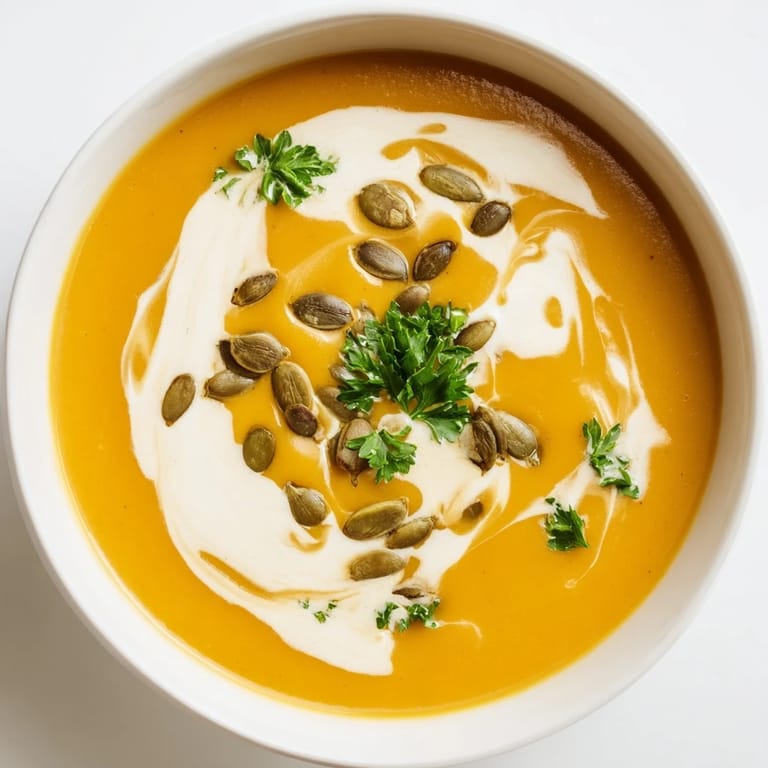
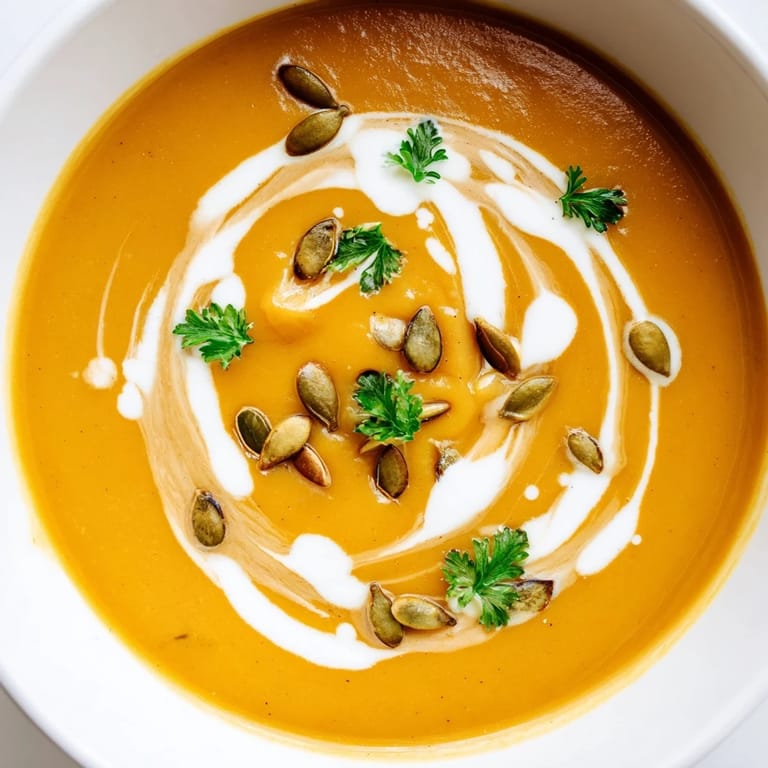
- Toasted pumpkin seeds and parsley: The crunchy, fresh contrast on top that turns a bowl of soup into something you want to photograph.
Tired of Takeout? 🥡
Get 10 meals you can make faster than delivery arrives. Seriously.
One email. No spam. Unsubscribe anytime.
Instructions
- Start with the aromatics:
- Heat the olive oil in your largest pot and add the onion, letting it soften and turn golden at the edges for 4 to 5 minutes while your kitchen starts to smell like comfort. Don't rush this part, the sweetness you build now matters later.
- Add the main players:
- Toss in the garlic, squash cubes, and apple pieces, stirring them around for about 3 minutes until the garlic is fragrant and everything is coated in that oniony oil.
- Spice it up:
- Sprinkle in the cinnamon, nutmeg, and ginger, stirring constantly for about 30 seconds so the spices bloom and coat every piece of squash and apple. You'll know it's ready when the smell makes you close your eyes and breathe deeply.
- Simmer it down:
- Pour in the broth and apple cider, bring everything to a boil, then lower the heat and let it bubble gently for 25 to 30 minutes until a fork slides through the squash like it's not even trying. The apples will practically dissolve, which is exactly what you want.
- Blend until silky:
- Take the pot off the heat and use an immersion blender to puree everything until it's completely smooth and looks like liquid velvet. If you're using a countertop blender, work in batches and leave the lid slightly vented so steam can escape without redecorating your ceiling.
- Finish with richness:
- Stir in the cream or coconut milk if you're using it, then taste and add salt and pepper until it makes you smile. Reheat gently if needed, ladle into bowls, and scatter those pumpkin seeds and parsley on top like edible confetti.
 Save to Pinterest
 My neighbor once knocked on my door following the smell of this soup, and I ended up ladling her a bowl through the gap in the doorway because I was still in my pajamas at noon. She brought the bowl back the next day, washed, with a loaf of bread tucked inside and a note that said, "Trade?" Now we do this every fall, and it's become the kind of tradition that makes living next to someone feel like family.
Making It Your Own
The first time I made this, I followed the recipe exactly, but now I treat it more like a template and change things based on what's around. Sometimes I roast the squash first when I have time, which adds a caramelized depth that makes it taste almost smoky. Other times I throw in a diced potato to make it even heartier, or I skip the cream entirely and let the pureed squash do all the work. A pinch of cayenne once turned it into something my husband requests specifically on cold nights when he wants heat that sneaks up on you.
Storage and Reheating
This soup is one of those rare things that tastes better the next day after all the flavors have had time to get to know each other in the fridge. I store it in a big glass jar, and it keeps for about four days, though it's never lasted that long in my house. When reheating, do it gently on the stove over low heat, stirring occasionally and adding a little broth if it's thickened up too much. I've also frozen it in individual portions, and it defrosts beautifully for those nights when cooking feels impossible but you still want something that tastes homemade.
Serving Suggestions
I almost always serve this with crusty bread, the kind with a chewy crust that's perfect for dragging through the last bits of soup in the bowl. A simple green salad with apple slices and a sharp vinaigrette makes it feel like a complete meal, and sometimes I'll add a grilled cheese on the side because I'm not above turning dinner into a cozy childhood flashback. For fancier occasions, I've topped it with a drizzle of balsamic reduction and some crumbled goat cheese, which makes it look like you tried a lot harder than you actually did.
- Pair it with a crisp white wine like Riesling or a light cider for drinks that echo the flavors in the bowl.
- If you're feeding kids, skip the fancy garnishes and serve it with goldfish crackers, which they'll dip in with alarming enthusiasm.
- Leftovers make an excellent lunch packed in a thermos, the kind that makes your coworkers jealous when you open it at your desk.
 Save to Pinterest
 This soup has become my answer to every chilly evening and every moment when I need my kitchen to feel like a hug. I hope it does the same for you, and that it finds its way into your own rotation of things you make without thinking, the kind of recipe that just feels like home.
Common Recipe Questions
- → Can I prepare this soup ahead of time?
Yes, this soup stores well in the refrigerator for up to 4 days. Cool completely before transferring to an airtight container. Reheat gently on the stovetop, adding a splash of broth if needed to reach desired consistency.
- → What type of apples work best?
Gala and Fuji apples are ideal for their natural sweetness and smooth texture when cooked. Granny Smith apples add tartness if you prefer less sweetness. Avoid very soft or mealy varieties like Red Delicious.
- → Is an immersion blender necessary?
An immersion blender is convenient but not required. Carefully blend the cooled soup in batches using a countertop blender, then return to the pot. Always let hot soup cool slightly before blending to avoid steam burns.
- → How can I make this soup vegan?
Substitute heavy cream with coconut milk or cashew cream for a rich, dairy-free version. Verify that your vegetable broth is also vegan-certified. The soup maintains its creamy texture and warm spice profile.
- → Can I freeze this soup for later?
Absolutely. Cool the soup completely, then freeze in airtight containers or freezer bags for up to 3 months. Thaw overnight in the refrigerator and reheat on the stovetop. You may need to thin it slightly with additional broth after thawing.
- → What garnishes complement this soup?
Toasted pumpkin seeds provide nutty crunch, while fresh parsley adds color and freshness. Consider crispy sage leaves, a drizzle of maple syrup, or a dollop of sour cream for extra richness and visual appeal.