 Save to Pinterest
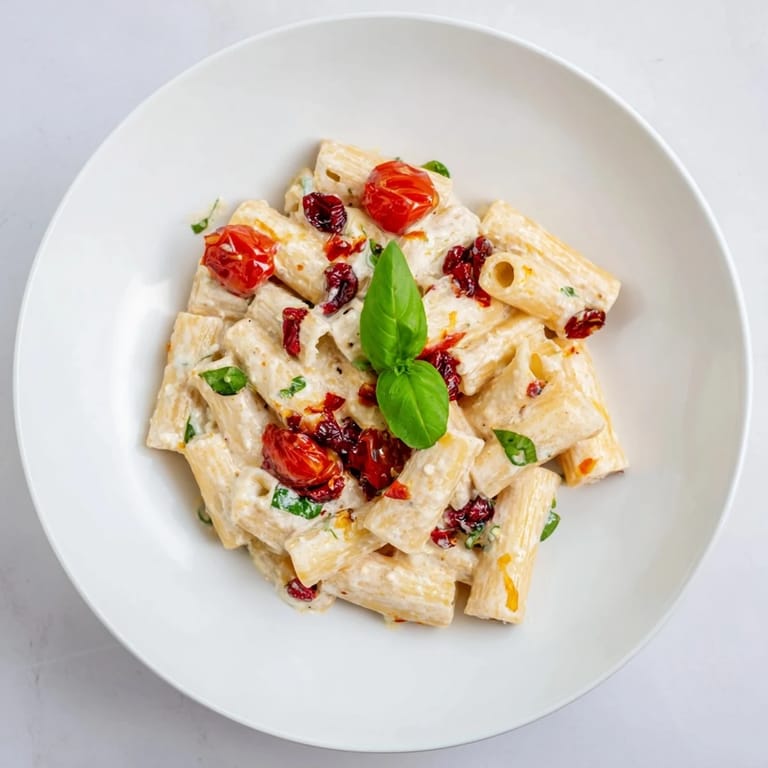
 Last November, I was standing in my kitchen on a gray afternoon, mentally exhausted from scrolling through holiday recipe ideas, when I spotted a block of feta in the fridge that needed using. I threw it in a baking dish with whatever was on hand—cherry tomatoes, some cranberries left over from sauce-making—and roasted the whole thing while pasta water boiled. Twenty-five minutes later, the feta had melted into this golden, creamy sauce, and I suddenly understood why this dish had become the one everyone asks me to bring to winter dinners.
A friend brought over her kids one cold evening, and I made this without thinking twice. The youngest poked at it suspiciously at first—cranberries aren't something most five-year-olds expect in pasta—but then went back for seconds. That moment made me realize good food isn't about impressing people with restaurant techniques; it's about the slight shock of flavors landing just right and making someone smile.
Ingredients
- Feta cheese (200 g block): Use the kind packed in liquid or kept in brine rather than pre-crumbled—it holds its shape while baking and melts into something almost creamy once you break it down with a fork.
- Cherry tomatoes (2 cups, halved): The halving matters because it lets them collapse and release their juice into the pan, making the base of your sauce.
- Fresh cranberries (1 cup): They're tart on their own, so the honey becomes essential balancing act—taste as you go.
- Garlic (3 cloves, smashed): Smashing instead of mincing lets the garlic soften into the oil without burning, which is the difference between sweet roasted flavor and harsh bitterness.
- Short pasta (300 g): Penne, fusilli, or rigatoni work best because they catch the sauce in their ridges and shapes; avoid long noodles that slide right off.
- Extra virgin olive oil (3 tbsp): This is your fat that becomes sauce, so don't skimp on quality—the flavor genuinely matters here.
- Oregano, red pepper flakes, salt, and pepper: The oregano whispers Mediterranean warmth; the red pepper flakes are entirely optional but add a subtle heat that makes people say the flavors feel 'grown-up.'
- Honey (2 tbsp): Adds brightness and cuts through the saltiness of feta while letting the cranberry tartness shine instead of overwhelm.
- Fresh basil (¼ cup chopped, plus extra for garnish): Stir it in at the very end so it stays green and fresh rather than darkening from the heat.
Tired of Takeout? 🥡
Get 10 meals you can make faster than delivery arrives. Seriously.
One email. No spam. Unsubscribe anytime.
Instructions
- Preheat and arrange:
- Set your oven to 200°C (400°F) and place the feta block in the center of a baking dish as if you're creating a frame for it. Scatter the tomato halves, cranberries, and smashed garlic cloves around it, leaving room for everything to roast and collapse.
- Season and drizzle:
- Pour the olive oil over everything in a thin stream, then sprinkle with oregano, red pepper flakes if you like heat, salt, and pepper. The oil should glisten across all the surfaces, though some pooling underneath is fine—that's where the magic starts.
- Roast until golden:
- Slide the dish into the oven for 25 to 30 minutes, watching until the feta turns golden on top and the cranberries are beginning to split open. You'll notice the kitchen fill with a warm, savory smell that makes everything feel a little more intentional.
- Cook the pasta:
- While the oven works, bring a large pot of salted water to a rolling boil and cook your pasta until it's al dente—tender but still with a slight bite. Before draining, reserve half a cup of that starchy pasta water in a measuring cup; it's your secret to making the sauce silky.
- Mash and combine:
- Once the feta comes out, use a fork to gently break it apart in the dish, stirring it together with the collapsed tomatoes and burst cranberries. You're not making a purée—just rough, creamy clumps that will coat the pasta.
- Bring it together:
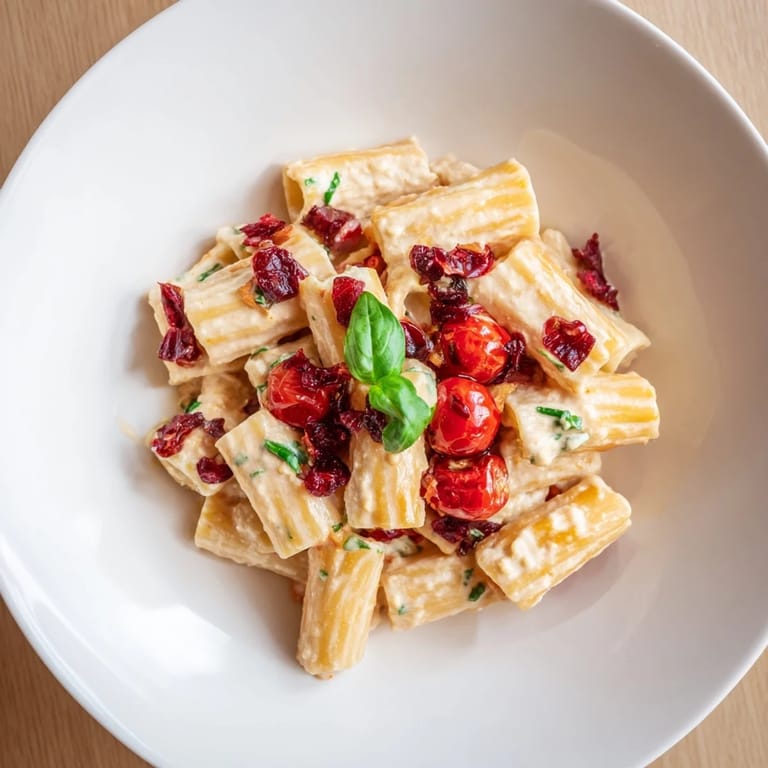
- Add the drained pasta to the baking dish along with the honey, reserved pasta water, and chopped basil. Toss everything together, adding more pasta water if it feels dry; the sauce should coat the noodles without pooling on the bottom.
- Taste and serve:
- Give it a quick taste before serving, adjusting salt or honey as needed—everyone's feta is slightly different in saltiness. Spoon into bowls and scatter extra basil on top, letting people see what went into it.
 Save to Pinterest
 One evening, my partner came home to the smell of roasting feta and cranberries and just stood in the doorway for a moment. He asked what smelled so good, and I realized that small moment—someone noticing the care you put into dinner before they even taste it—was exactly why I keep making this.
The Sweet and Savory Balance
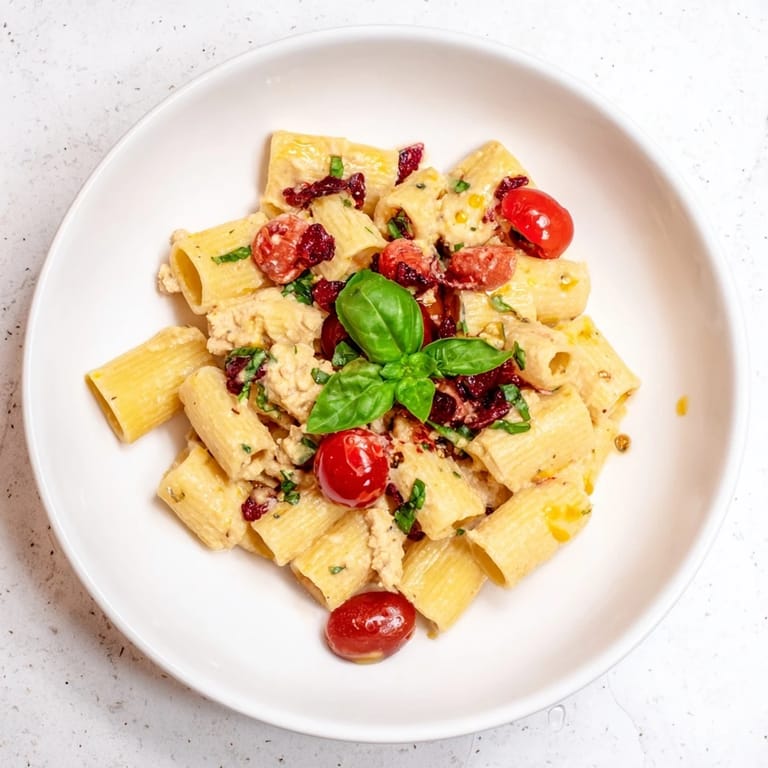
This dish lives in the space between traditional Mediterranean flavors and something more festive and unexpected. The honey isn't trying to make it dessert; it's there to soften the briny edge of feta and let the cranberry tartness be interesting rather than aggressive. I learned this balance the first time I made it without honey, thinking the cranberries alone would add enough brightness—they didn't, and the result felt flat and one-note. Now I always taste the sauce before tossing the pasta, and I let the honey-to-tartness ratio guide me.
Customizing Without Losing the Plot
The beauty of this recipe is that it welcomes small changes without falling apart. If fresh cranberries aren't in season, soak dried ones in hot water for five minutes and drain them thoroughly—they'll plump up and give the same tartness, though you might use slightly less honey since dried fruit carries more concentrated sweetness. Walnuts or pecans add texture if you toast them first and scatter them at the end; they shouldn't go into the oven because they'll turn bitter long before the cranberries are done.
What Happens If You Have Leftovers
Leftovers keep for three days in the fridge and taste almost better the next day once the flavors have melted together more. You can reheat gently in a low oven with a splash of extra olive oil and a little more pasta water if it's tightened up. Some nights I eat the cold pasta straight from the container standing at the fridge, which feels indulgent but also honest about how much I genuinely like it.
- If it dries out, add a tablespoon or two of olive oil and a splash of pasta water when reheating.
- Pair it with a crisp white wine like Sauvignon Blanc, or if you prefer red, a light Pinot Noir works beautifully.
- This is the kind of dish that travels well to potlucks if you transport it cold and let people reheat it themselves.
 Save to Pinterest
 This pasta has become what I make when I want something that feels special without requiring special effort. It's the kind of dish that reminds you why cooking for people matters.
Common Recipe Questions
- → Can I use dried cranberries instead of fresh?
Yes, soaked dried cranberries work well; just reduce the honey to balance sweetness.
- → What pasta types pair best with this dish?
Short shapes like penne, fusilli, or rigatoni hold the creamy sauce nicely.
- → How do I get the feta creamy and smooth?
Baking the feta with tomatoes and cranberries softens it, allowing easy mashing into a silky sauce.
- → Can I add nuts for texture?
Toasted walnuts or pecans add a lovely crunch when sprinkled before serving.
- → What herbs enhance this flavor profile?
Fresh basil adds a bright, aromatic note complementing the cheese and fruit.
- → Is this dish suitable for vegetarians?
Yes, it contains no meat and features vegetarian-friendly ingredients.